
These are the books, tools, and courses I genuinely recommend for anyone interested in learning mathematics. I’ve used or reviewed each one personally, from beginner-friendly introductions to advanced deep dives.
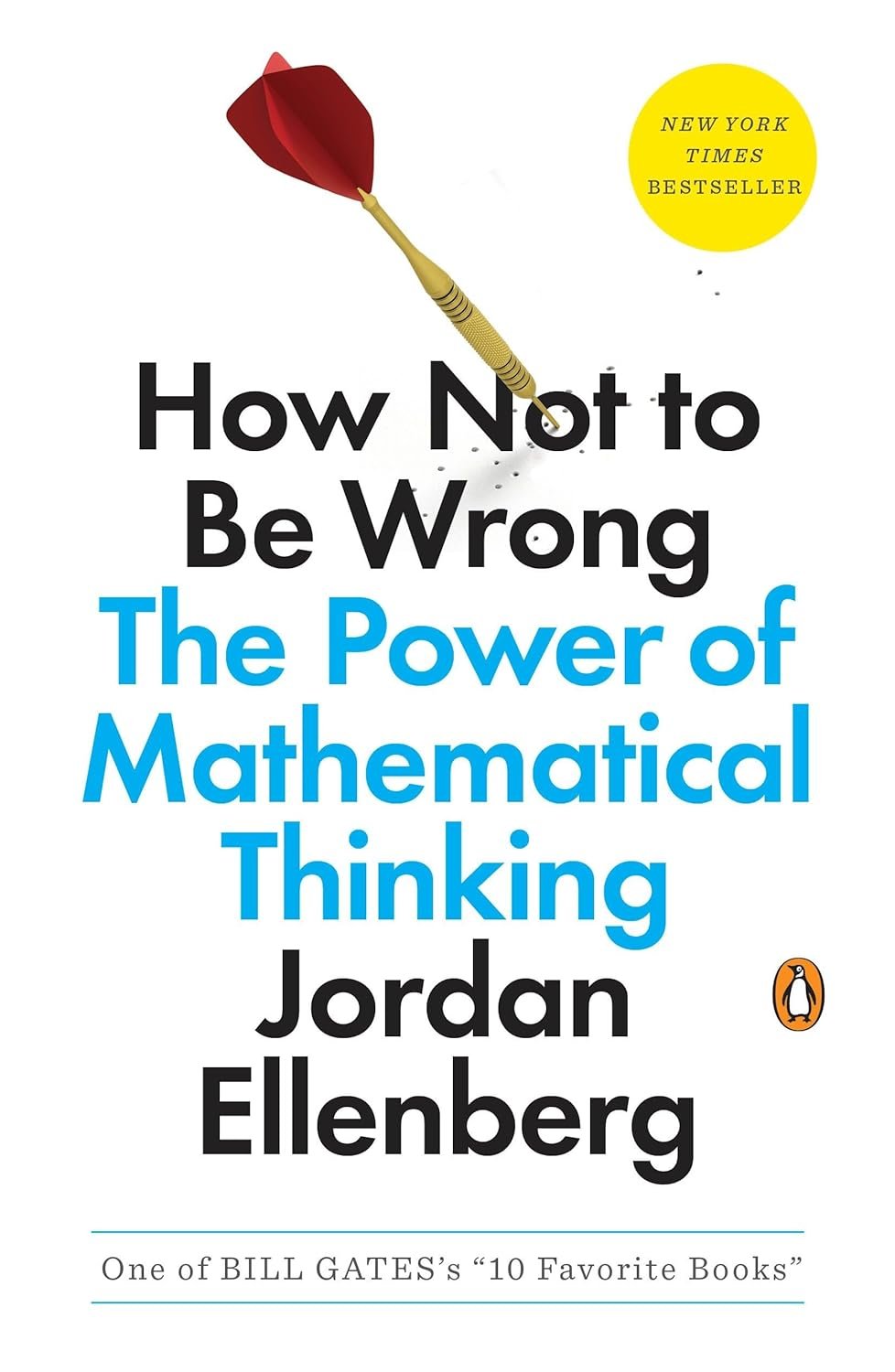
How Not to Be Wrong
A brilliant introduction to mathematical thinking in everyday life. If you’ve ever wondered why math matters beyond the classroom, start here.
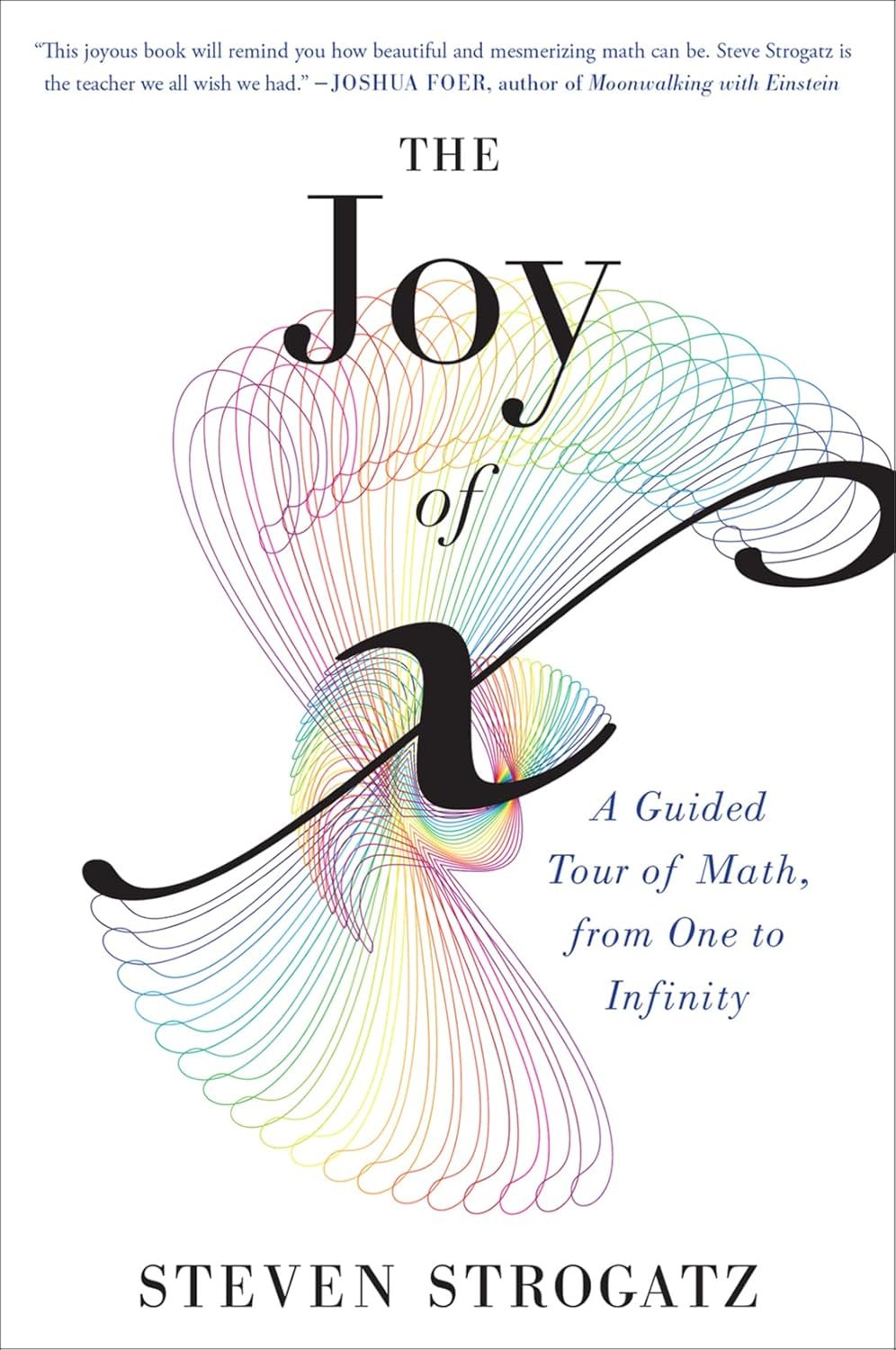
The Joy of x
A guided tour through math from basic arithmetic to calculus, written by one of the best math communicators alive.
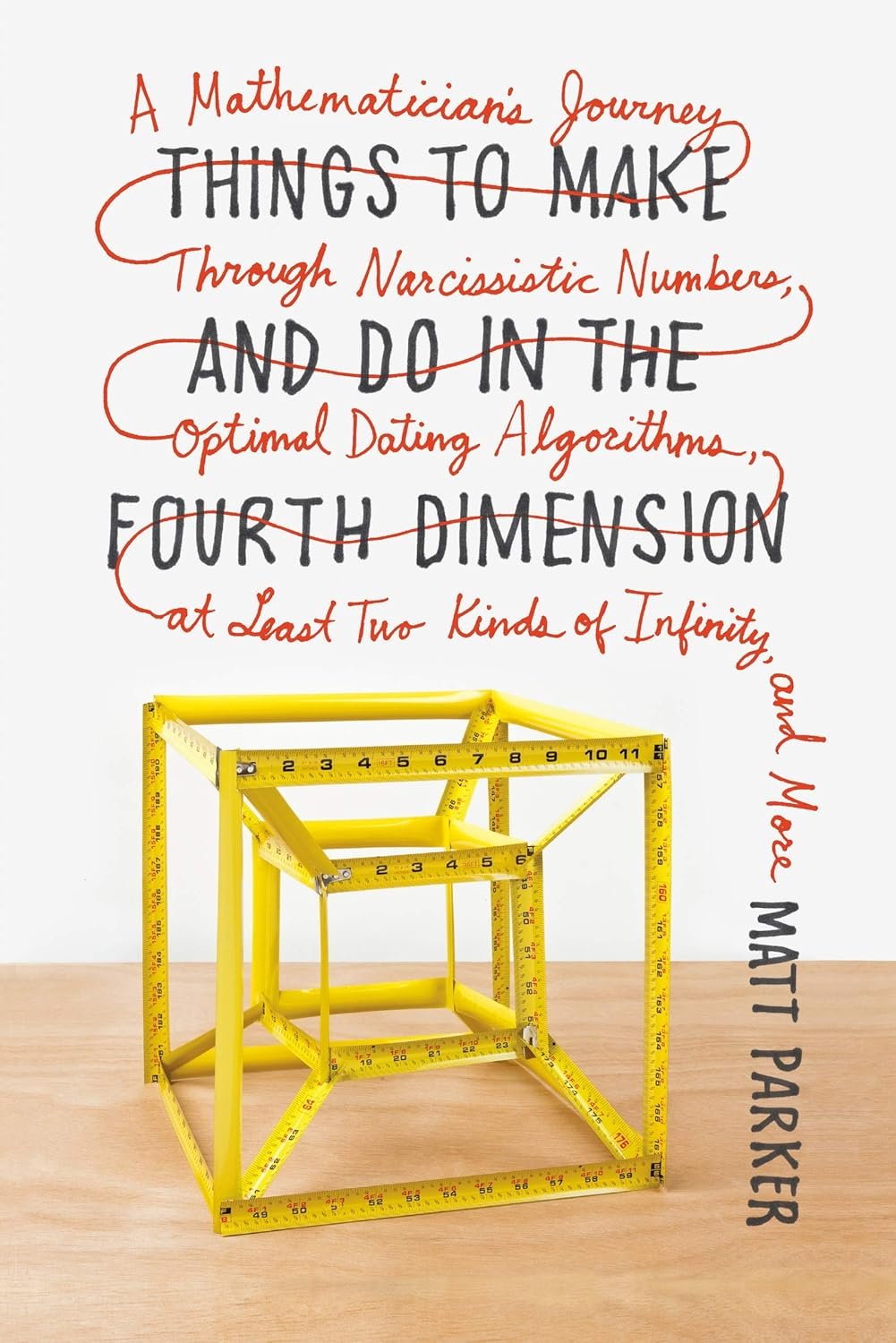
Things to Make and Do in the Fourth Dimension
Playful, funny, and surprisingly deep. Great companion to the “Every [X] Explained” video series.
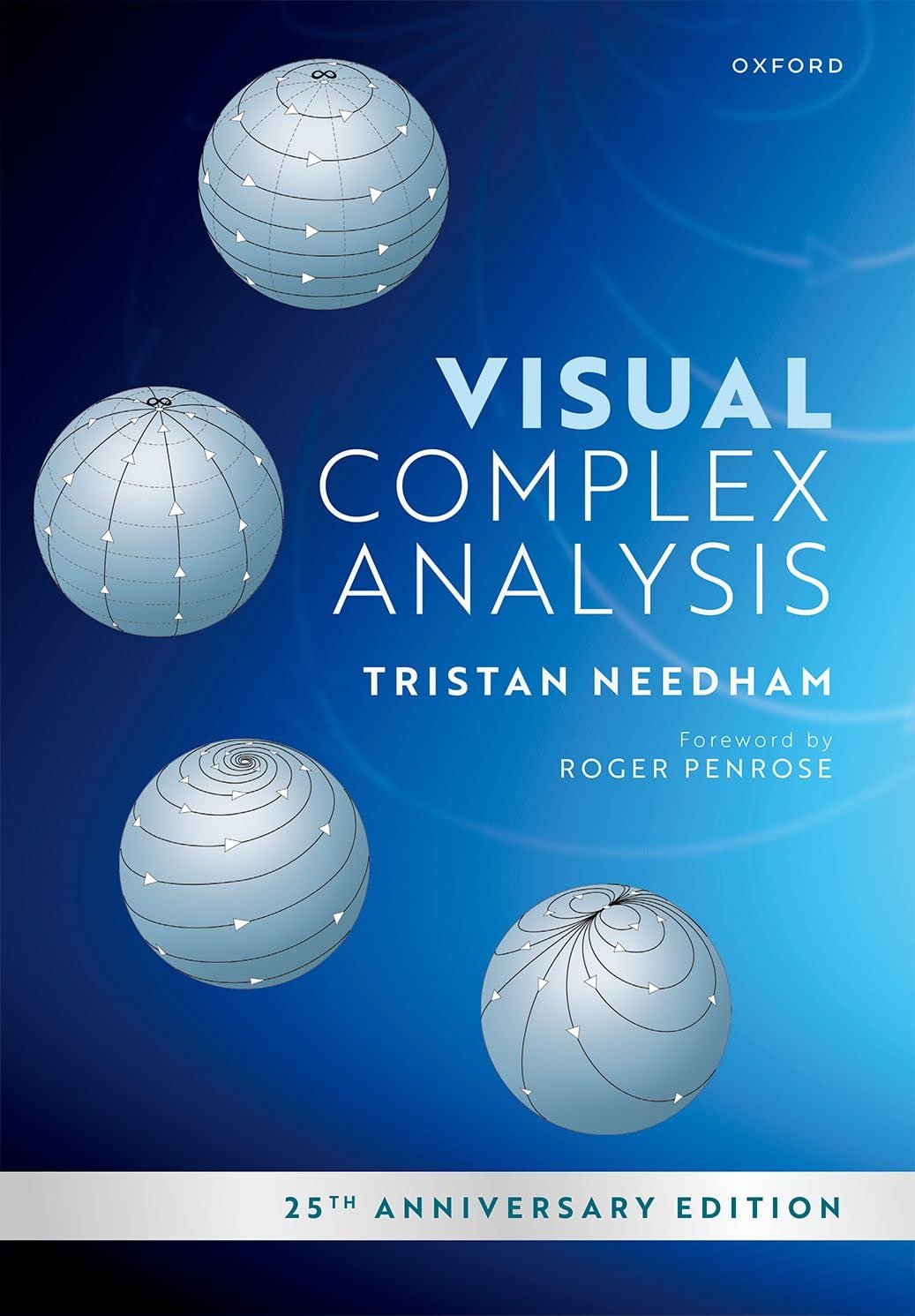
Visual Complex Analysis
Makes complex numbers and geometry feel intuitive through beautiful visual explanations. Pairs perfectly with the complex geometry content.
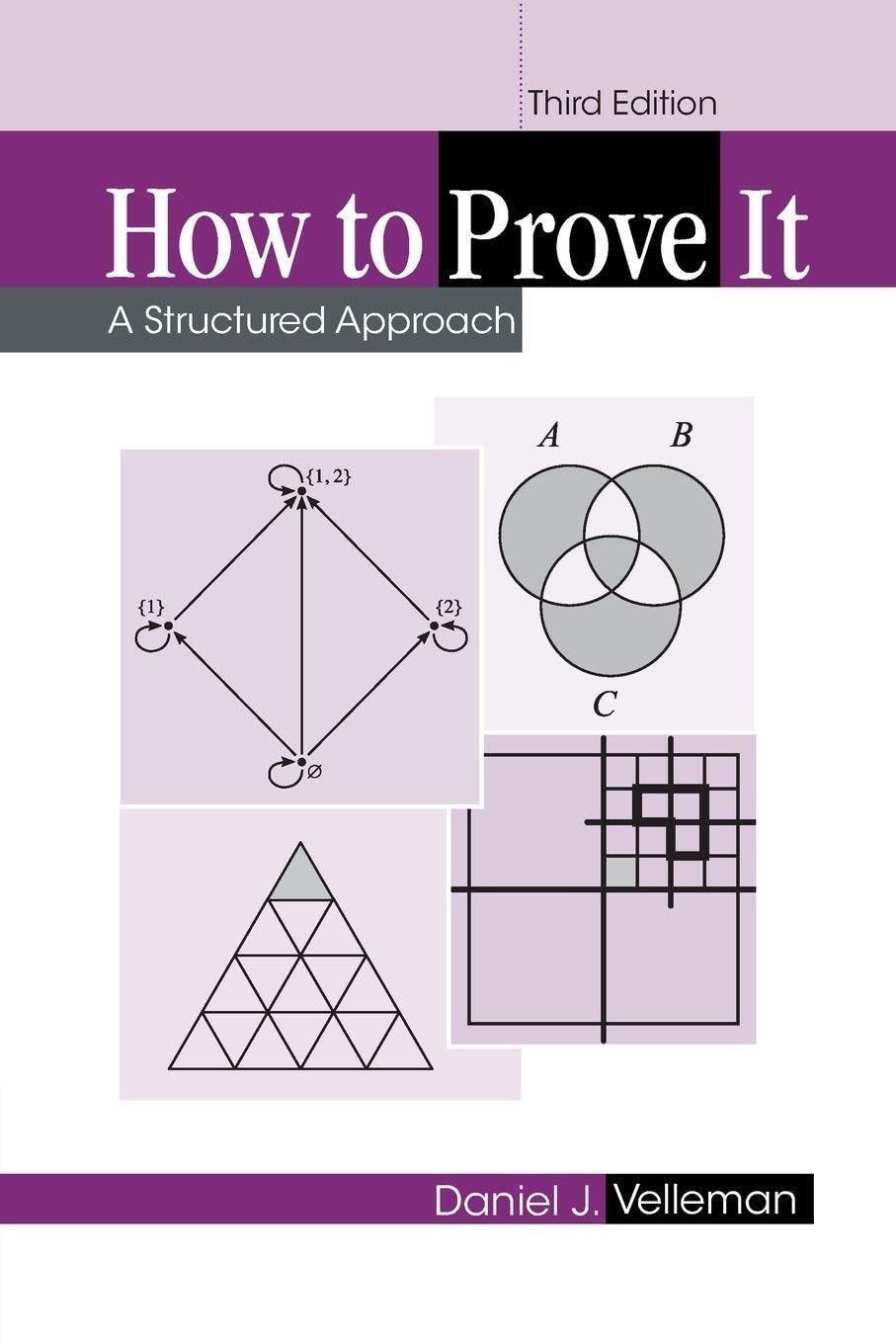
How to Prove It
The go-to book for learning mathematical proofs. Clear, structured, and accessible for anyone ready to move beyond computation.
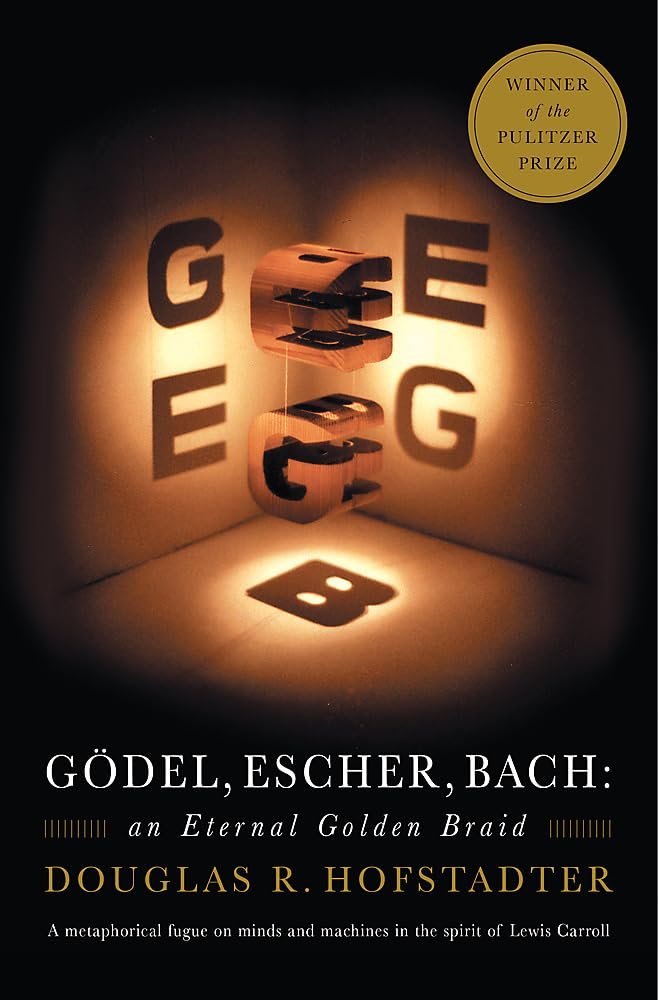
Godel, Escher, Bach
A journey through logic, self-reference, and the foundations of mathematics. Essential reading for paradox lovers.
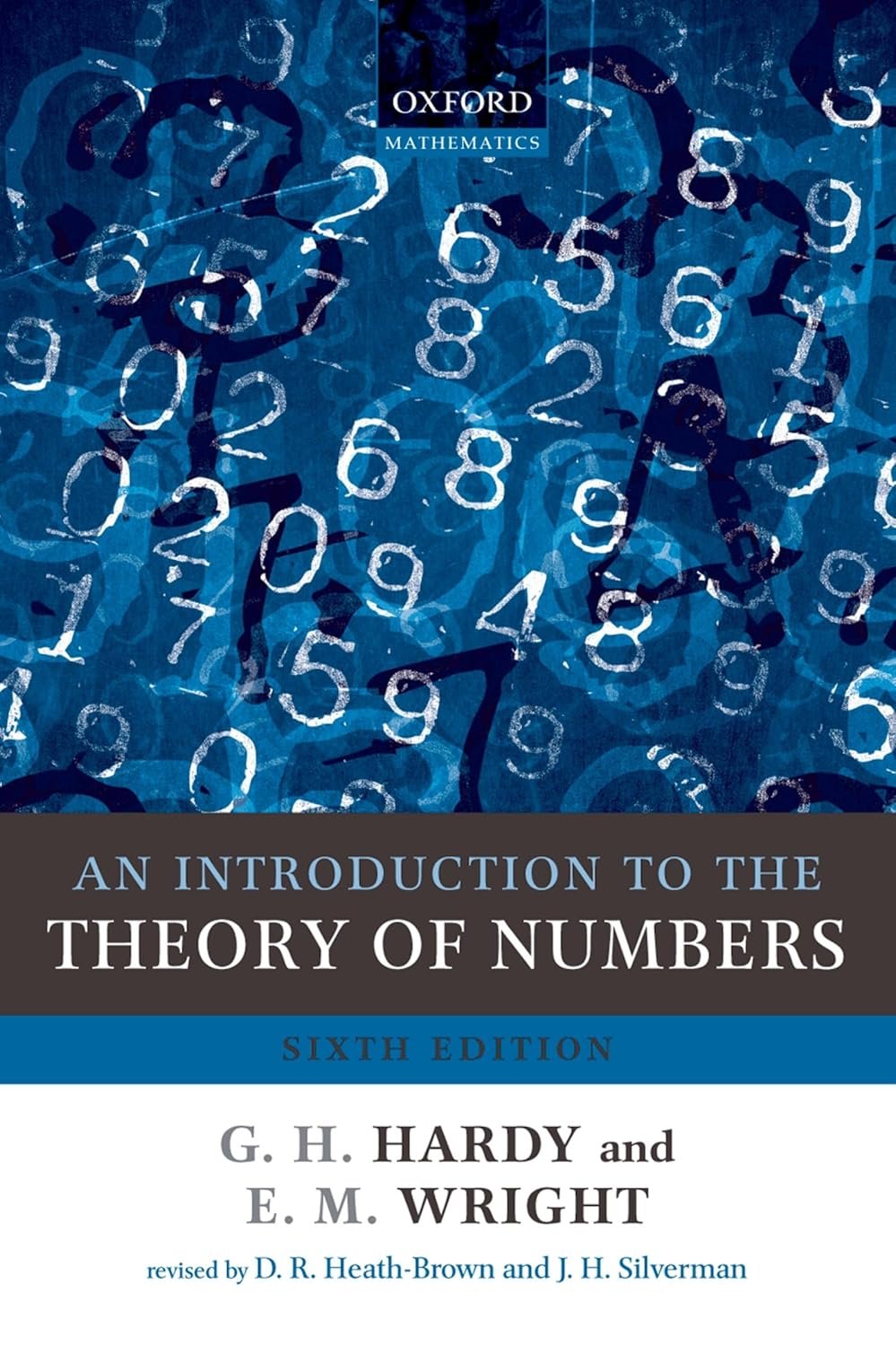
An Introduction to the Theory of Numbers
The classic text on number theory. Dense but deeply rewarding for anyone who wants to go beyond the surface of prime numbers and divisibility.
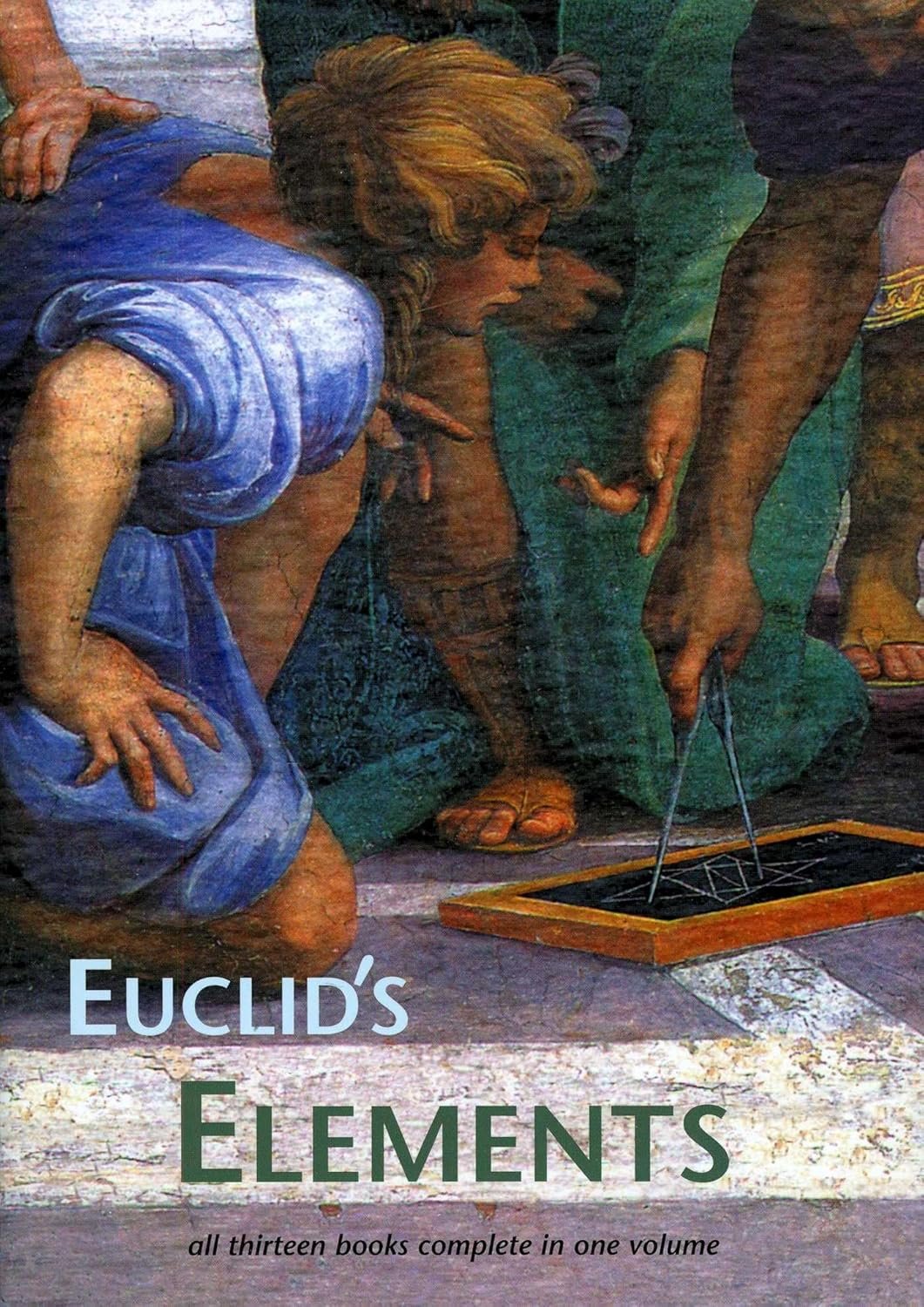
Euclid’s Elements
The book that started it all. 2,300 years of geometry in one volume.

Desmos
The best free online graphing calculator. I use it constantly for visualizing equations and creating diagrams for videos.
GeoGebra
Incredible free tool for geometry, algebra, and calculus visualization. Great companion to the geometry and calculus videos.
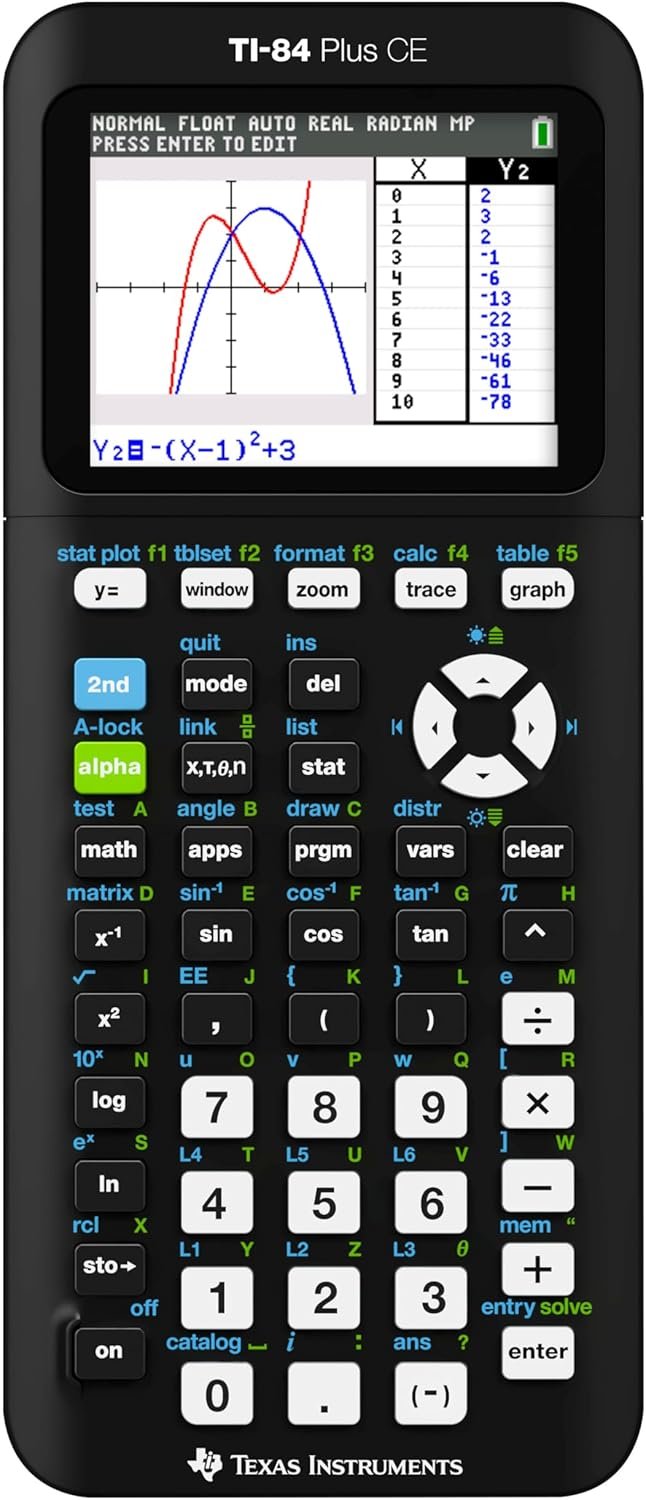
TI-84 Plus CE
The standard graphing calculator for students. If you’re working through any topics on this channel, this is the one to have.
Wolfram Alpha
A powerful computational engine for solving equations, plotting functions, and exploring mathematical concepts. An essential free tool for any math student.

Khan Academy
The gold standard for free math education from arithmetic through AP calculus. Perfect for filling gaps and building strong foundations.

MIT OpenCourseWare
Full university math courses from MIT, completely free. Linear algebra, calculus, differential equations, and more at the university level.
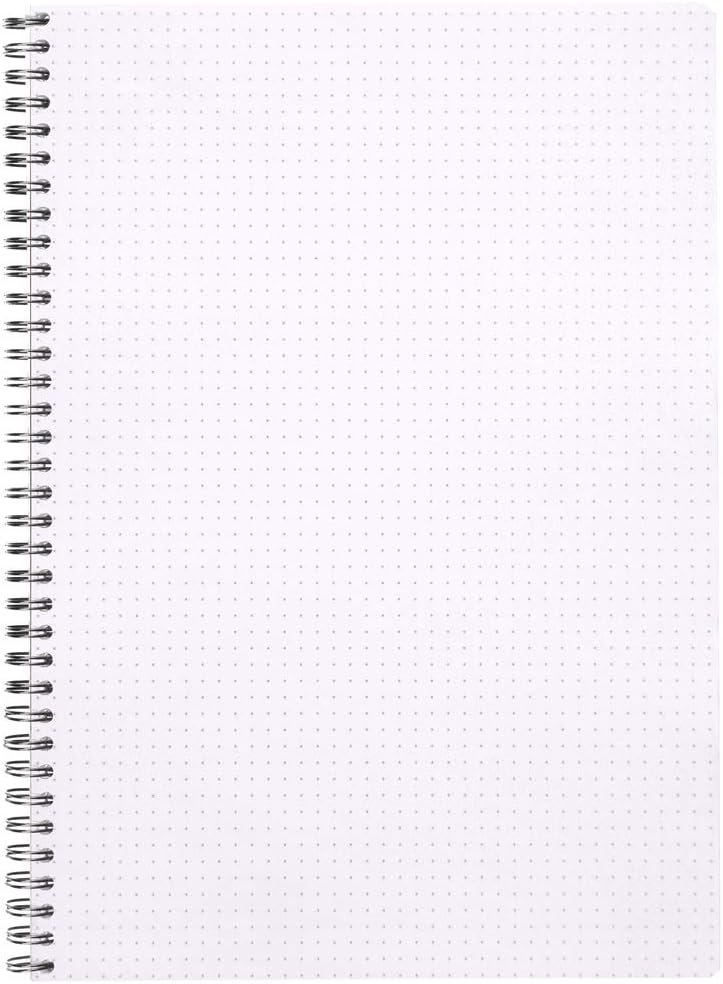
Rhodia Dot Grid Notebook
My preferred notebook for proofs and diagrams. The dot grid is perfect for mathematical notation without heavy distracting lines.
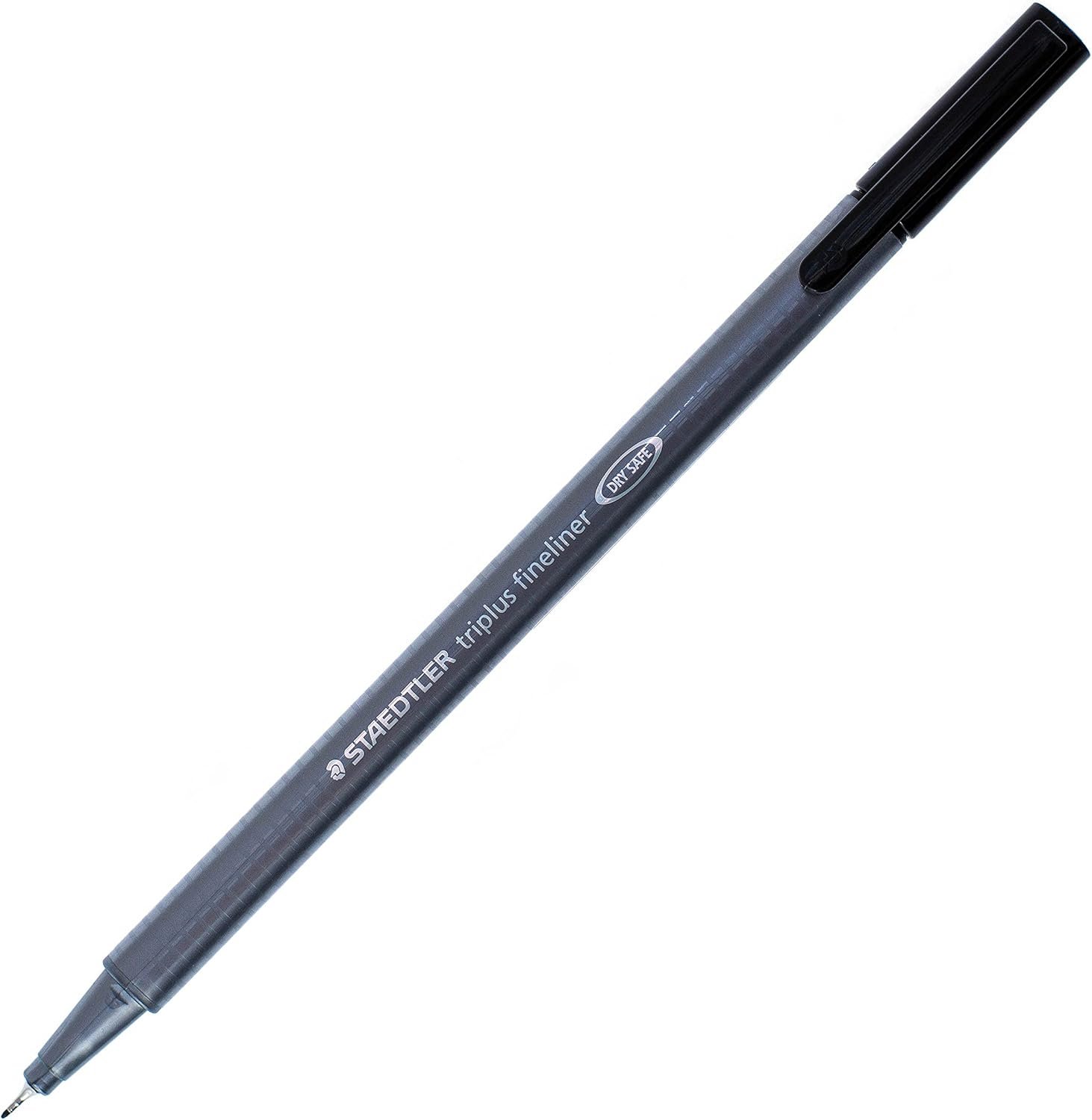
Staedtler Triplus Fineliner Pens
Clean, precise lines for diagrams and equations. These are what I use for any hand-drawn math work.
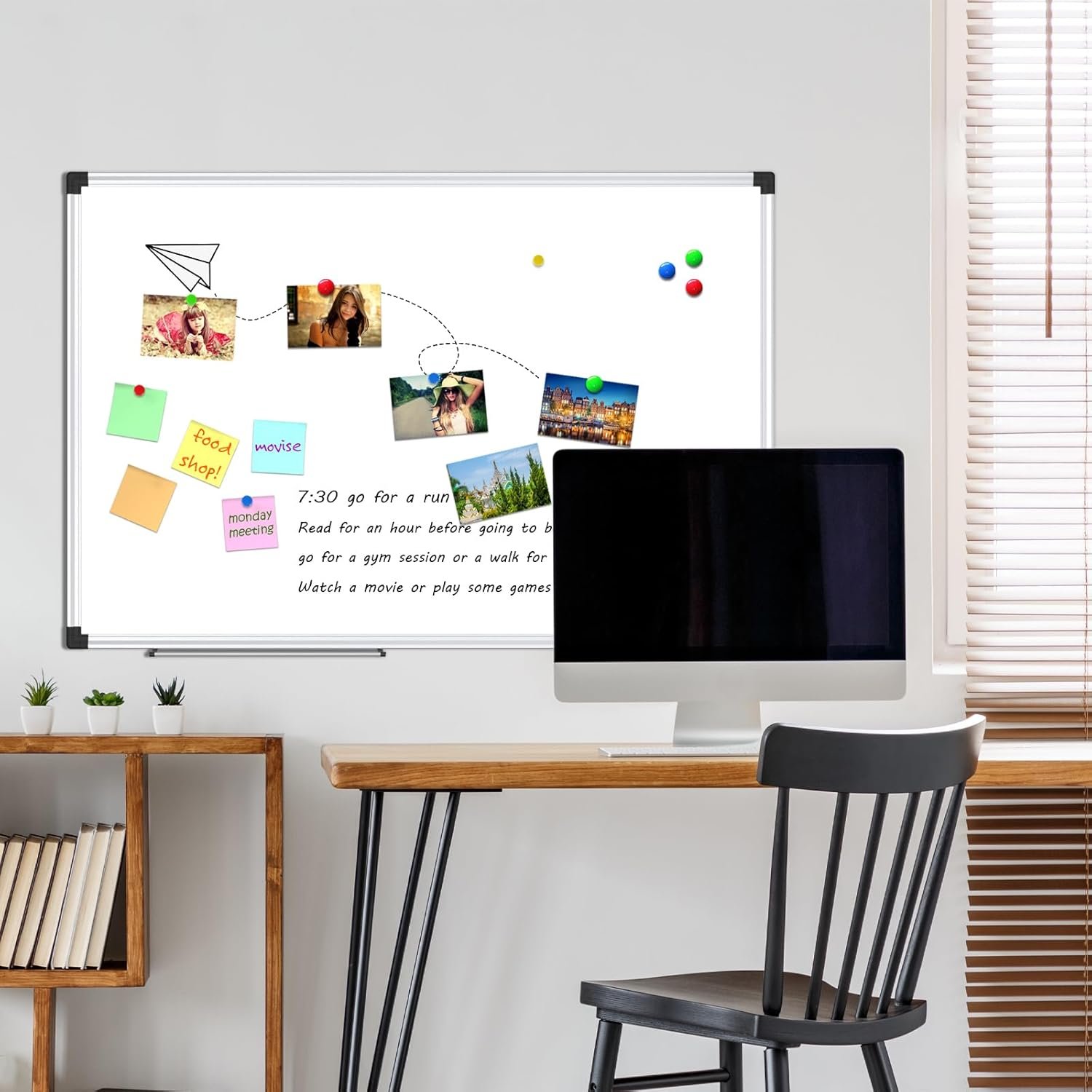
Large Whiteboard (36″ x 24″)
Nothing beats working through problems on a big whiteboard. Essential for anyone studying proofs or complex equations at home.
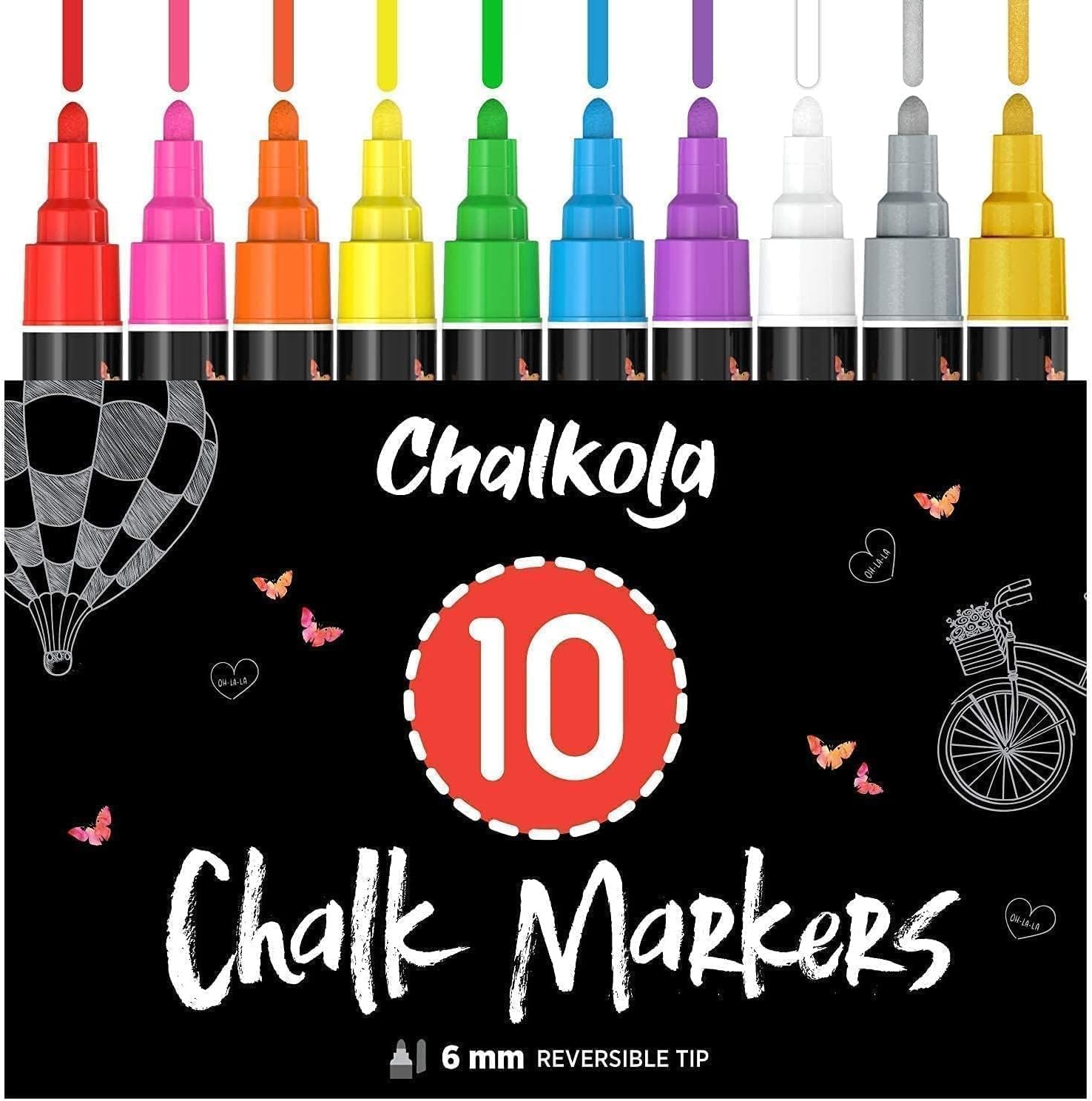
Chalkola Liquid Chalk Markers
Vibrant, color-coded markers that make diagrams and equations pop. Way better than standard dry erase for visual clarity on whiteboards.