Tag: mathematics
-
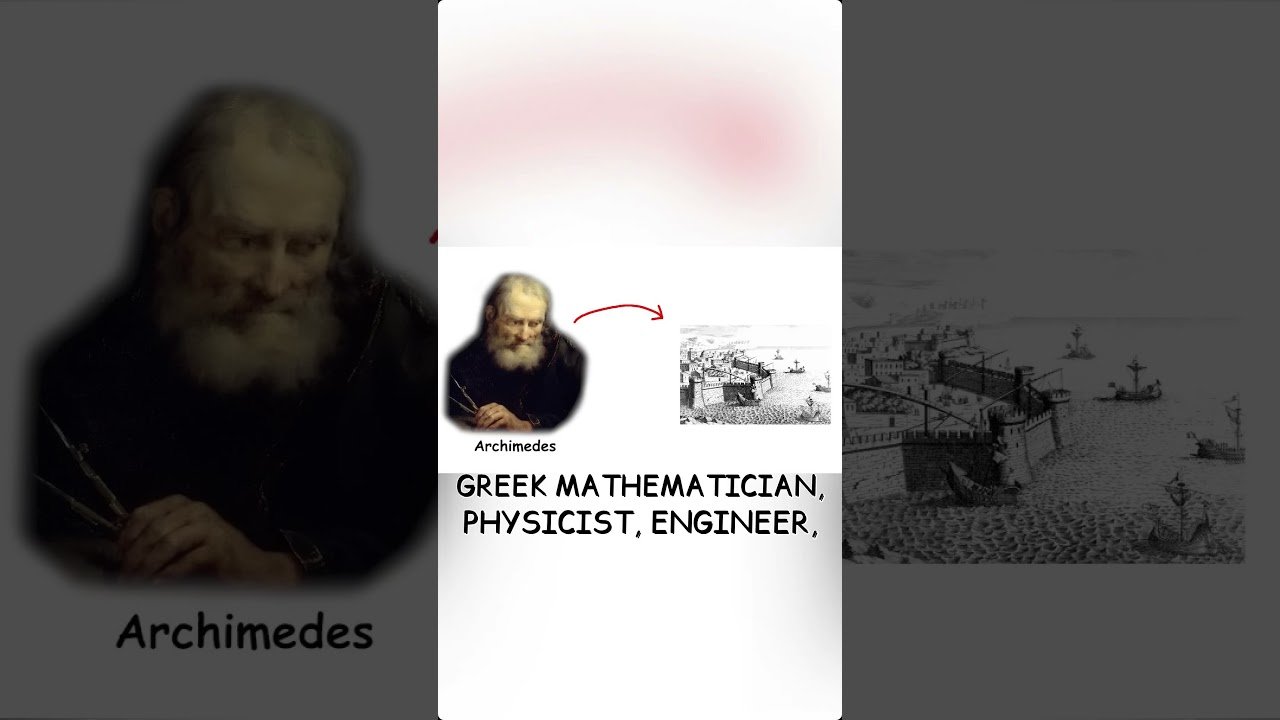
What Is Pi? Explained in 37 Seconds
Pi: The Most Famous Number in Mathematics Pi (π) is a fundamental mathematical constant that represents the ratio of a circle’s circumference to its diameter: π = C / d ≈ 3.14159265… The Greek letter π is the first letter of the Greek word perimetros, meaning circumference. It was first calculated by the ancient Greek read more
Written by
-
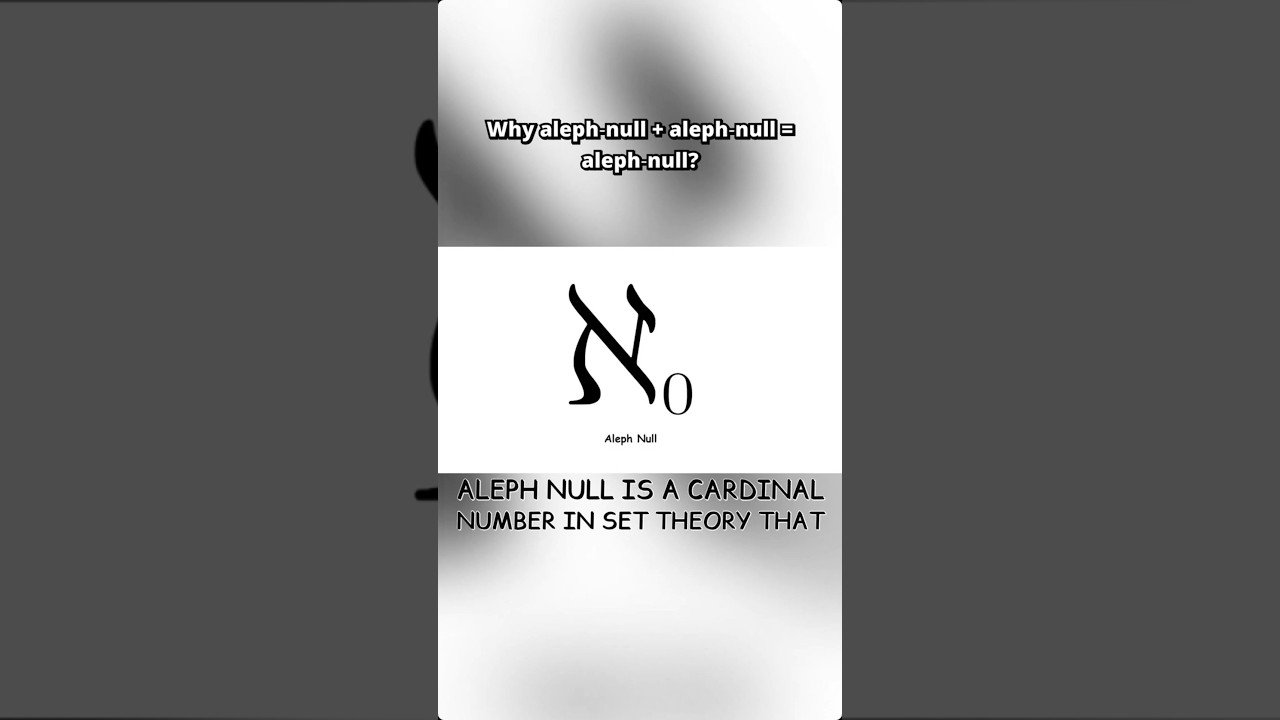
Why aleph‑null + aleph‑null = aleph‑null (The Math of Infinity)
Aleph-Null: The Smallest Infinity Aleph-null (ℵ₀) is a cardinal number in set theory that represents the cardinality, or size, of the set of natural numbers {1, 2, 3, …}. It is the first transfinite cardinal number and is used to describe the size of infinite sets. Arithmetic with Aleph-Null Aleph-null is closed under addition, multiplication, read more
Written by
-
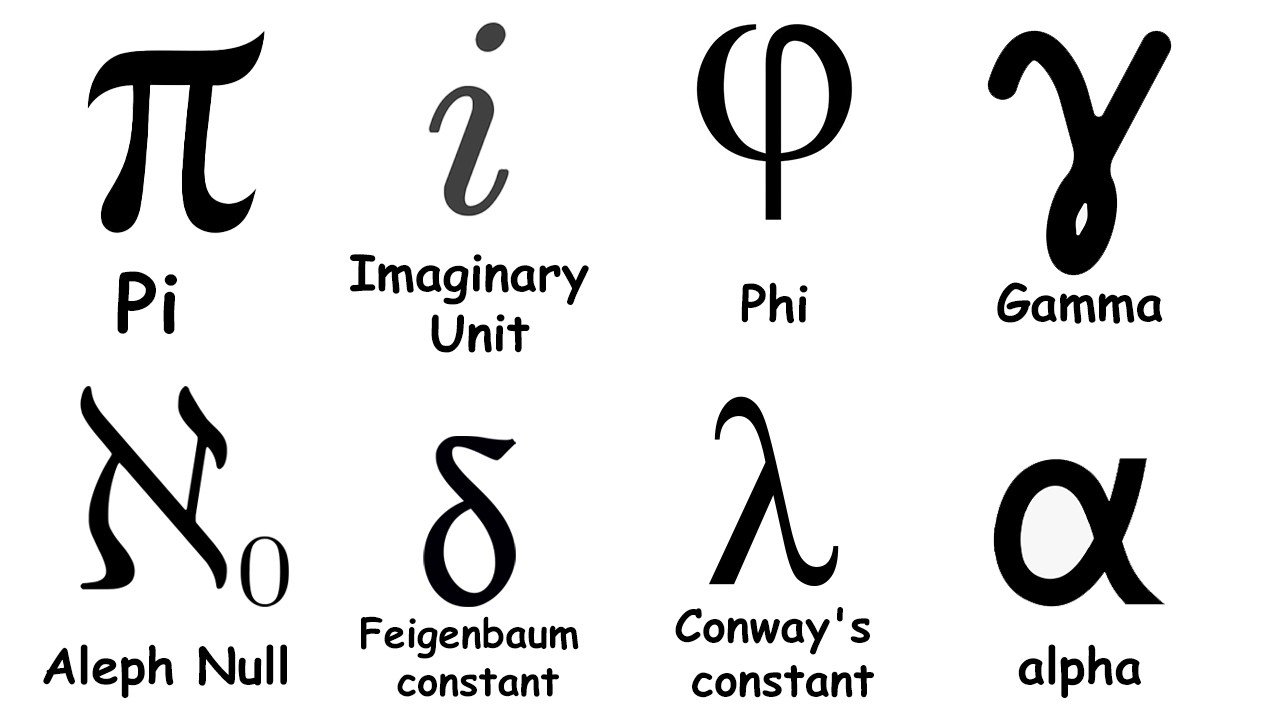
Every Important Math Constant Explained
Every Mathematical Constant Explained Pi (π) Pi is a fundamental mathematical constant that represents the ratio of a circle’s circumference to its diameter. It was first calculated by the ancient Greek mathematician Archimedes of Syracuse, who was also a physicist, engineer, inventor, and astronomer. The Greek letter π is the first letter of the Greek read more
Written by
-
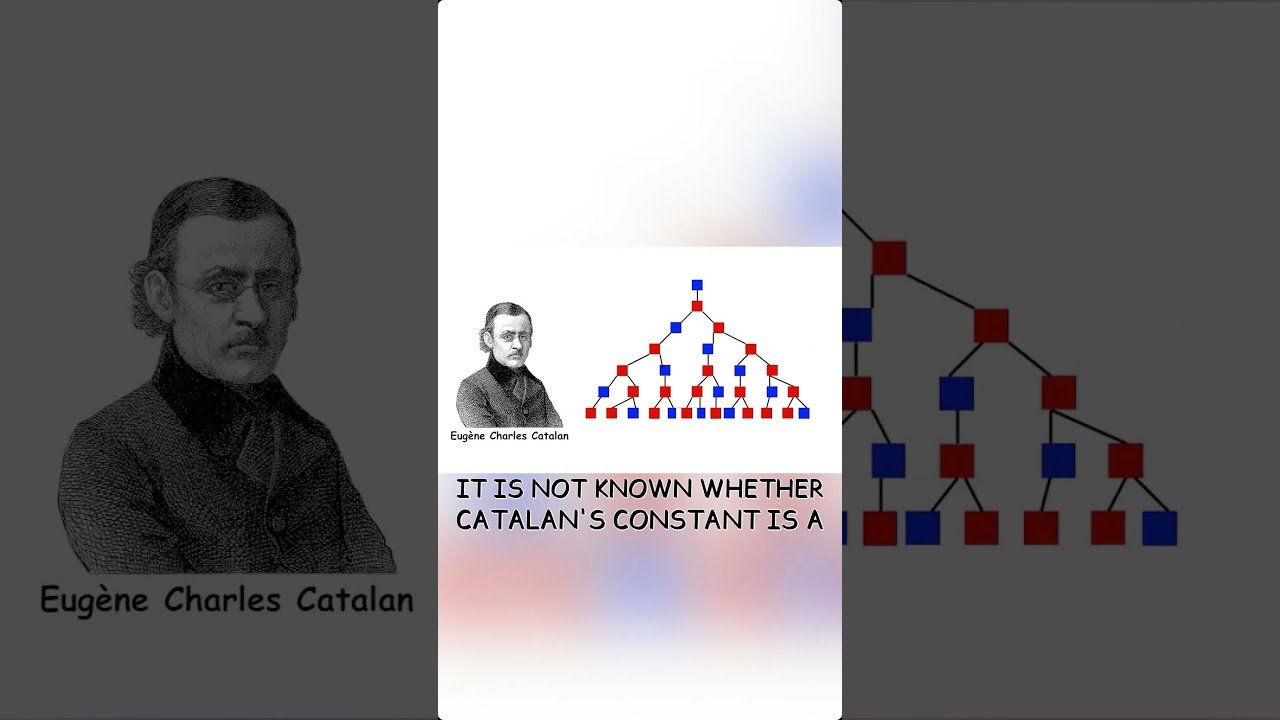
Why Catalan’s Constant Still Puzzles Mathematicians
Click the link for the full video on Math Constants! Thanks for watching! Here’s your formatted article: Catalan’s Constant: A Famous Unsolved Mystery in Mathematics Catalan’s constant is a well-known mathematical constant defined by the infinite series: It is named after the Belgian mathematician Eugène Charles Catalan, who first gave an equivalent series and expressions read more
Written by
-
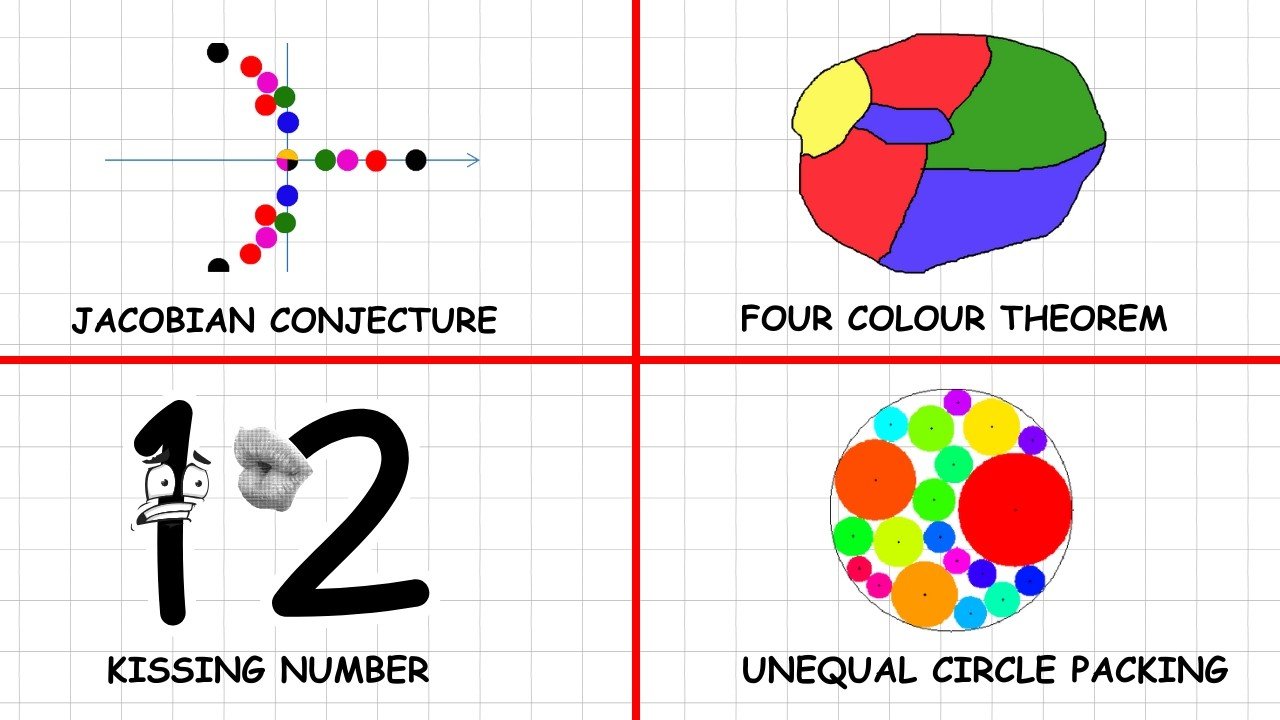
Every unsolved problem in mathematics
Notable Conjectures and Unsolved Problems in Mathematics Table of Contents Toggle Casas-Alvero Conjecture Riemann Hypothesis Navier–Stokes Existence and Smoothness Jacobian Conjecture Erdős–Oler Conjecture Gauss Circle Problem Kissing Number Problem Unequal Circle Packing Sendov’s Conjecture Tripod Packing Thomson Problem Levi–Hadwiger Conjecture Heesch Problem Kalai’s 3d Conjecture Casas-Alvero Conjecture If an integer k can be expressed as read more
Written by
-
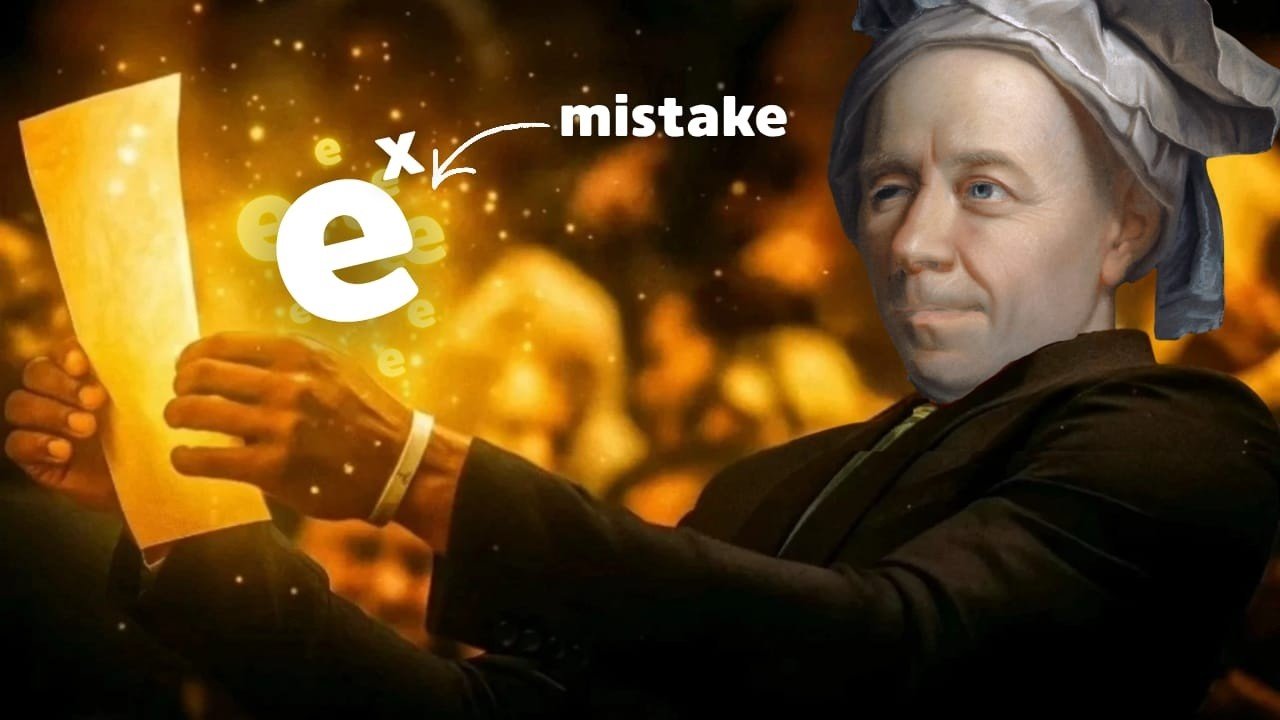
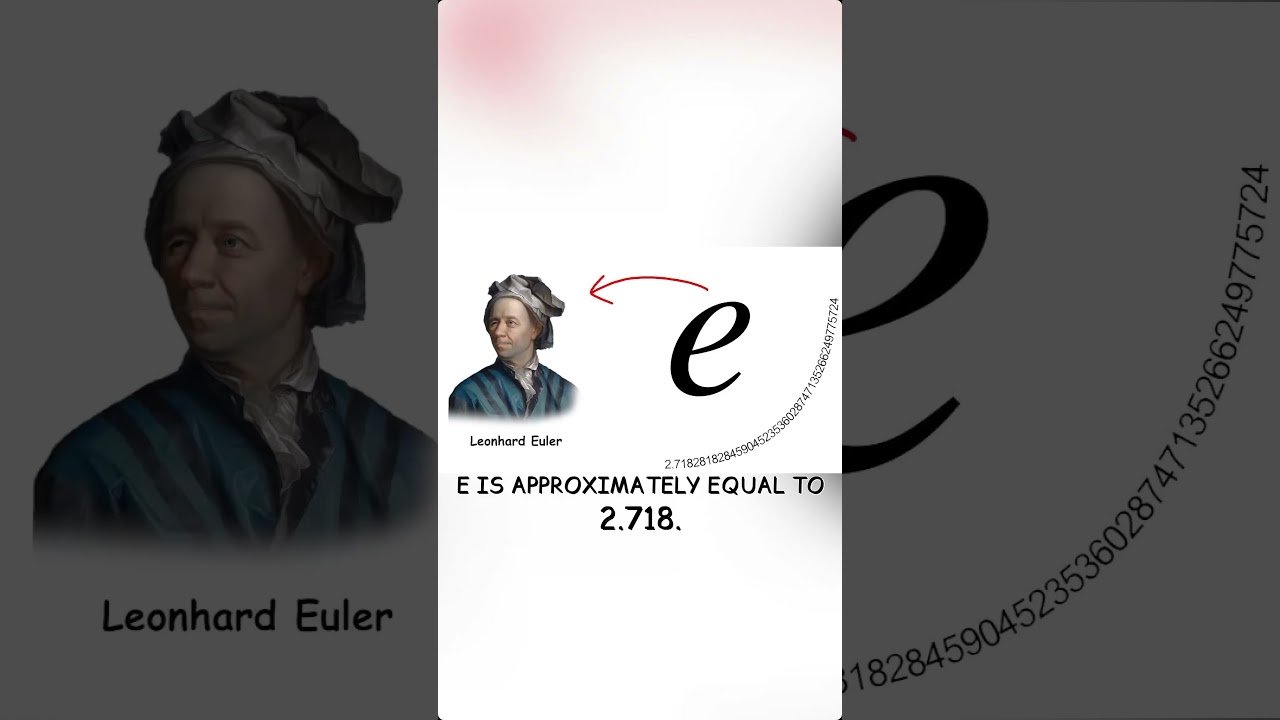
Euler's Number Explained in 30 seconds
Euler’s Number e Table of Contents Toggle Overview Applications Properties Overview The mathematical constant e is the base of the natural logarithm, a fundamental logarithmic function. It is also known as Euler’s number, named after the mathematician Leonhard Euler, who extensively studied this constant. e ≈ 2.71828 Applications The constant e is used in many read more
Written by
-
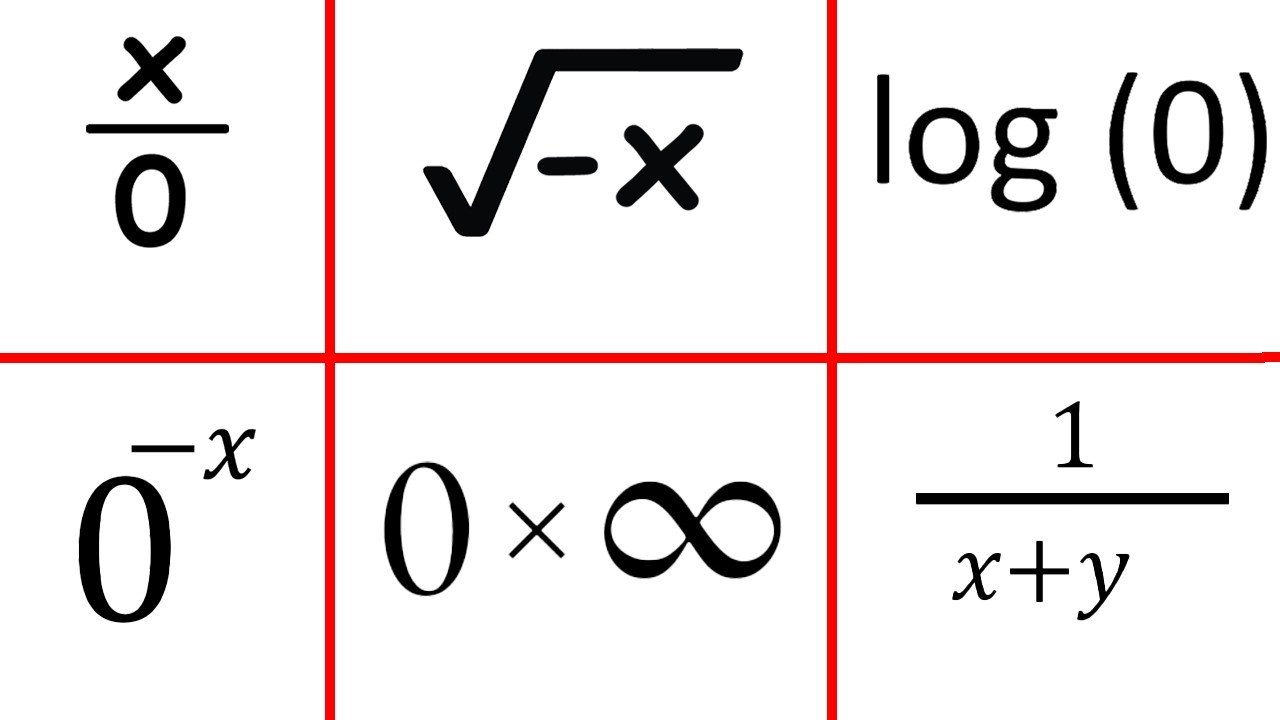
Every Forbidden Operation in Math Explained
Ever wondered why you cannot take the logarithm of zero? We are diving into every forbidden math operation that just does not play by the rules. Division by Zero Division by zero is an operation for which you cannot find an answer, so it is disallowed. The word division means splitting up a number into read more
Written by
-
the Irrational Apéry’s Constant Explained
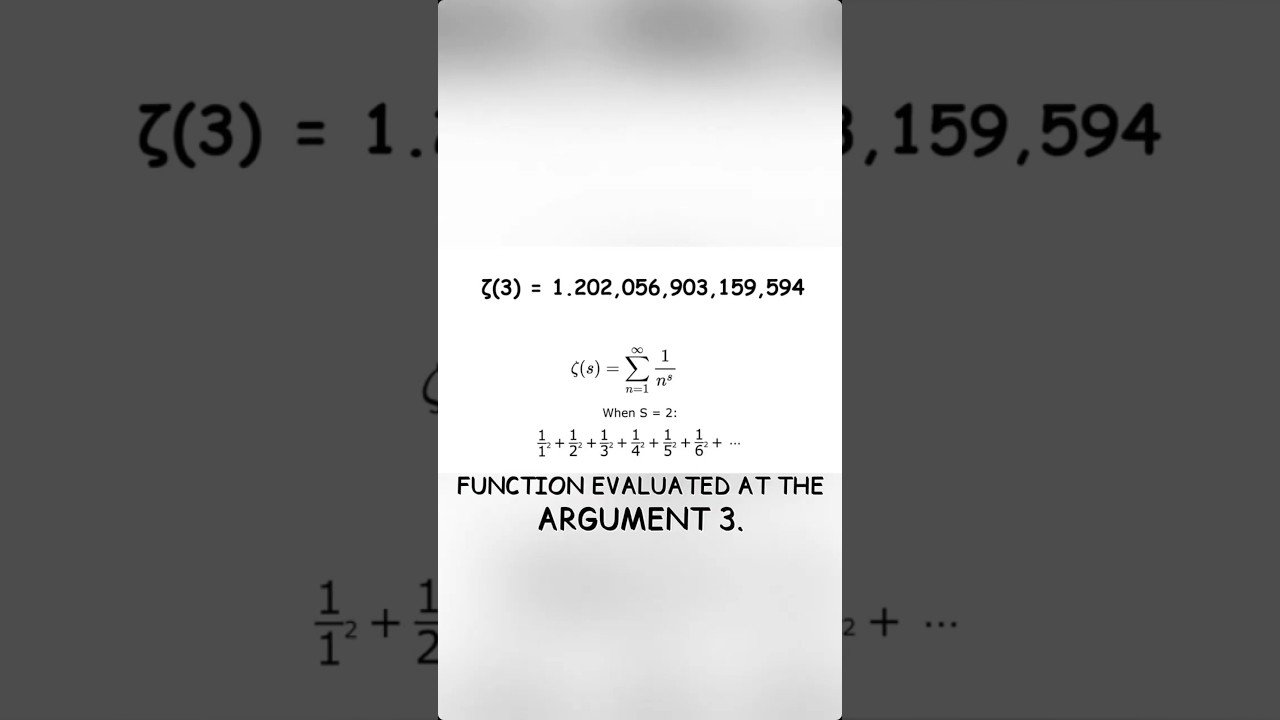
Table of Contents Toggle Apéry’s Constant Overview The Riemann Zeta Function Significance Irrationality Apéry’s Constant Overview Apéry’s constant is the value of the Riemann zeta function evaluated at the argument 3. It has an approximate value of 1.202. The Riemann Zeta Function The Riemann zeta function, denoted by ζ(s), is a function of a complex read more
Written by
-
Every Weird Math Paradox Explained
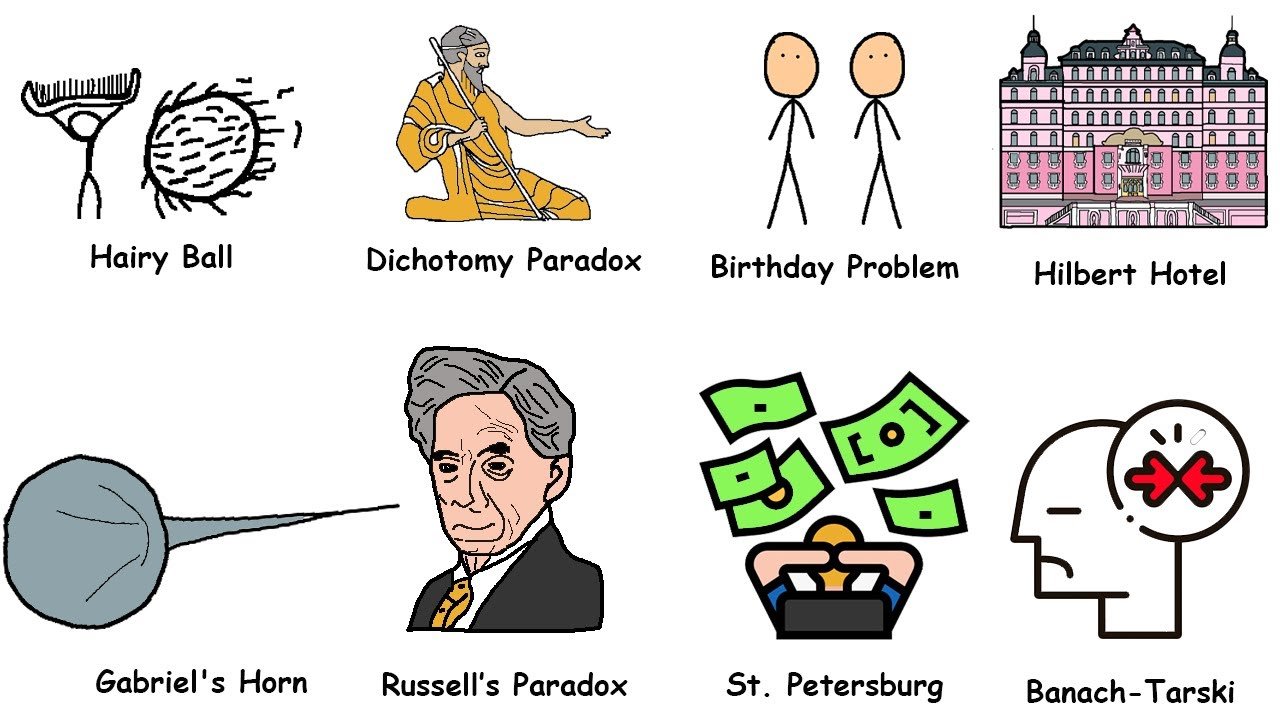
The Weirdest Mathematical Paradoxes That Challenge Logic, Intuition, and Reality Let’s explore some of the weirdest mathematical paradoxes that challenge logic, intuition, and even reality itself. From ancient riddles to modern brainteasers, these paradoxes will leave you wondering how numbers and the universe really work. The Hairy Ball Theorem Imagine a ball covered in hair, read more
Written by
-
The Greatest Accidental Math Breakthroughs
Great Mistakes and Discoveries in the History of Mathematics Non-Euclidean Geometry For more than two millennia, Euclidean geometry stood as an unquestioned paradigm of physical space. Its fifth postulate, the parallel postulate, stated that through a point outside a given line, only one parallel line could be drawn. This axiom proved particularly problematic, as unlike read more
Written by