Author: Thought Thrill
-
Complex & Imaginary Numbers Explained
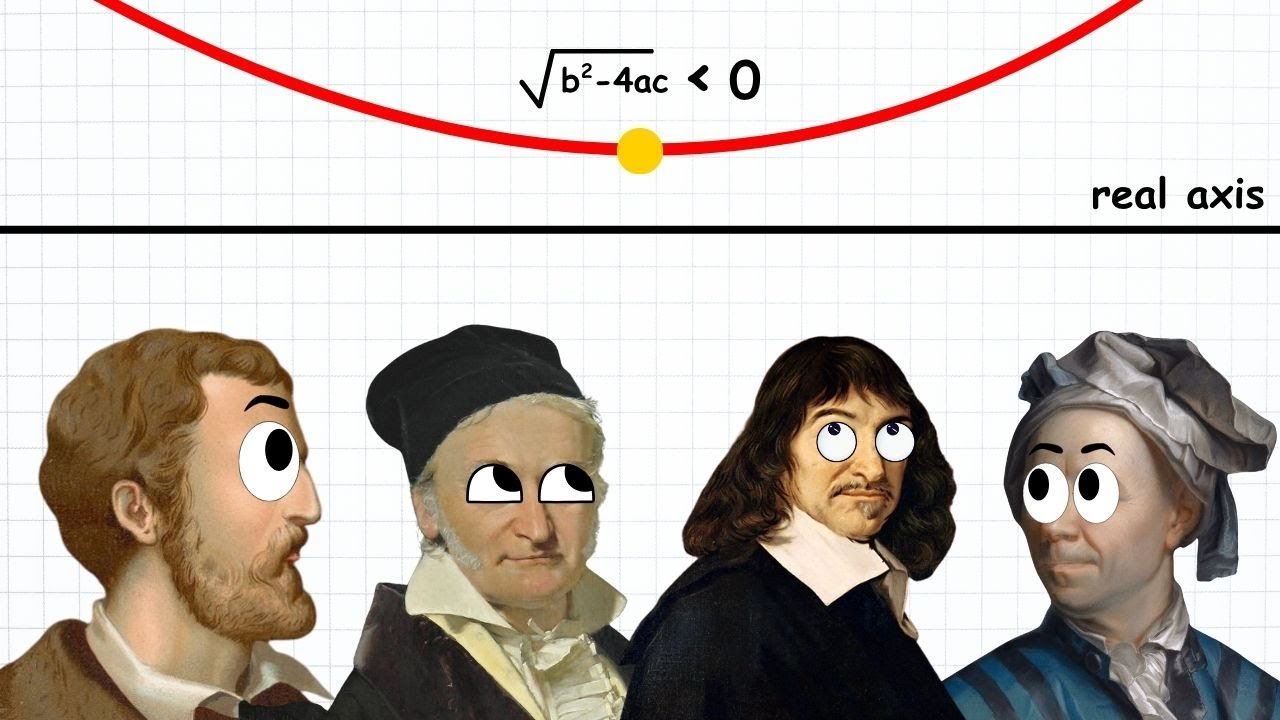
From Squaring to Square Roots The Imaginary Unit The Complex Plane Operations on Complex Numbers Polynomial Equations and Complex Roots A Brief History of Complex Numbers Modeling Rotations From Squaring to Square Roots To start, consider multiplying a number by itself. For example, 4 × 4 = 16. This can be done with negative numbers… read more
Written by
-
The Basic Math Iceberg Explained
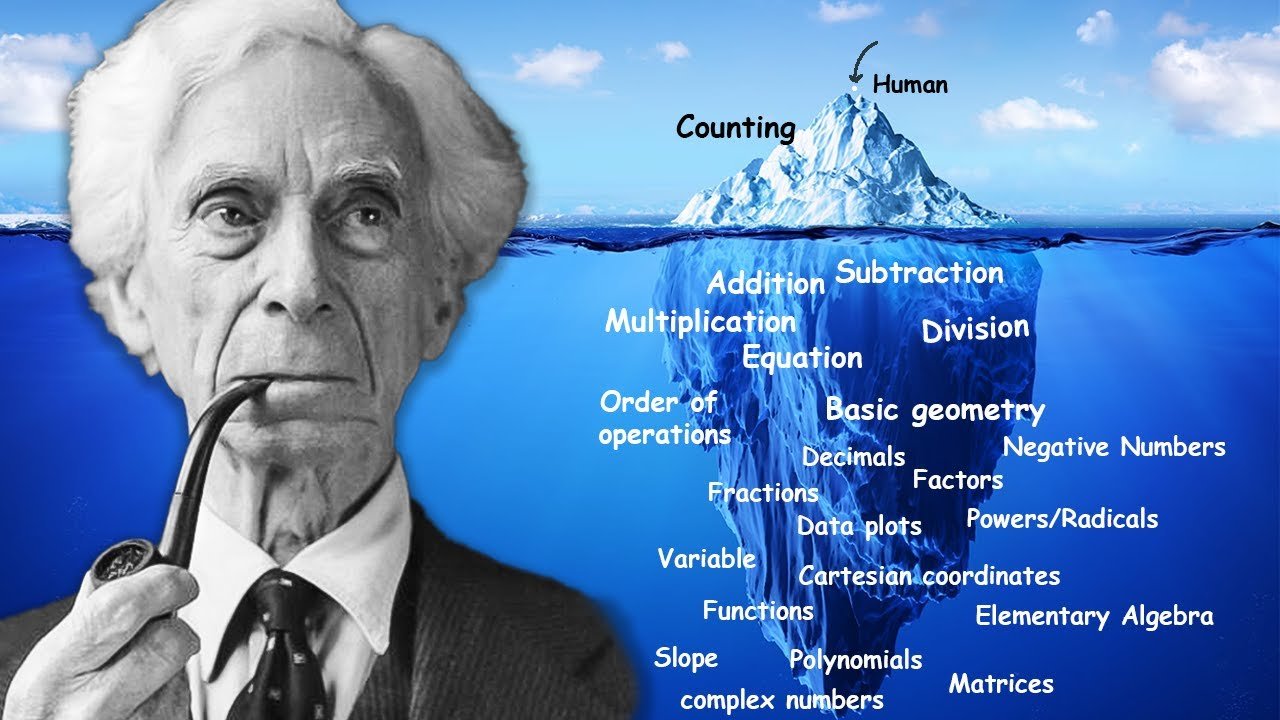
The Math Iceberg Explained, Part 1 Counting Addition Subtraction Multiplication Division Equations Basic Geometry Order of Operations Decimals Factors Fractions Powers and Radicals Data Plots Variables Cartesian Coordinates Functions Additional Context on Number Systems Counting Counting is a method of finding what number of something you have. The number zero indicates that you have nothing.… read more
Written by
-
The Discovery of the Atom Explained (From Ancient Greece to Bohr)
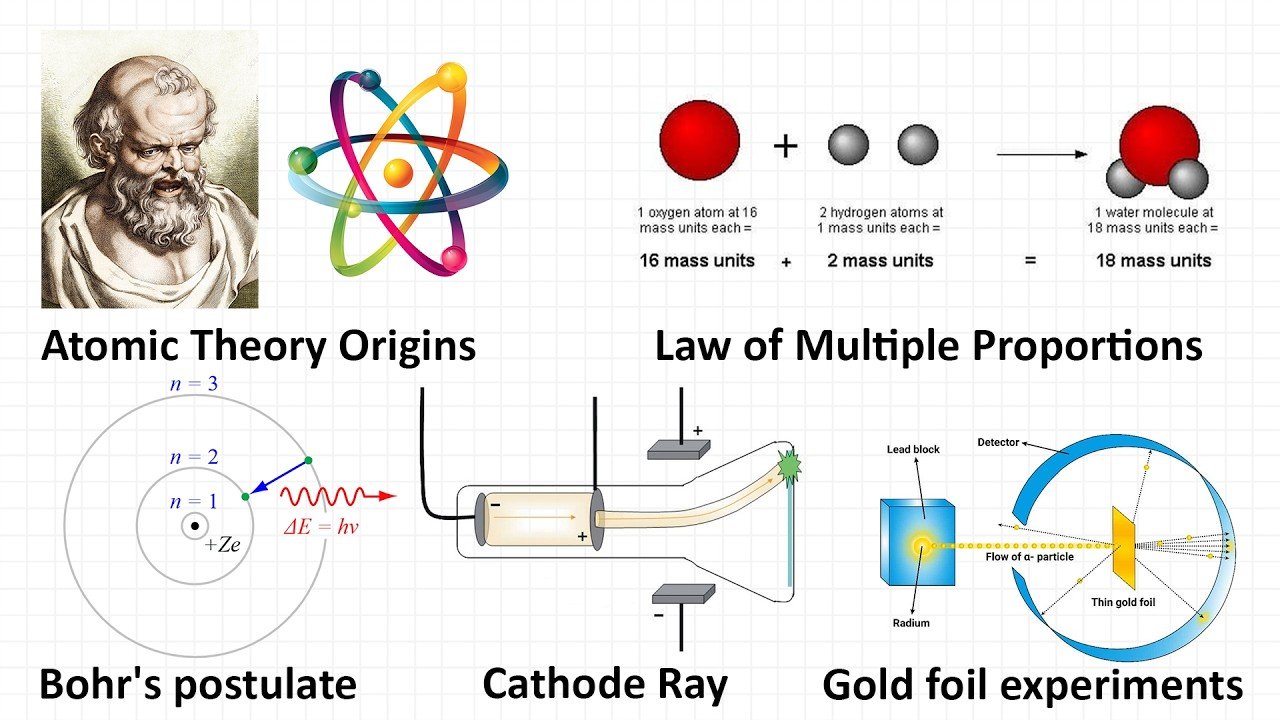
The Ancient Idea of Atoms John Dalton and Chemical Ratios J. J. Thomson and the Electron Rutherford and the Gold Foil Experiment The Problem with Classical Physics Niels Bohr and Quantized Energy Levels Toward Quantum Mechanics Further Reading The Ancient Idea of Atoms Our understanding of matter, everything we can touch, see, and feel, rests… read more
Written by
-
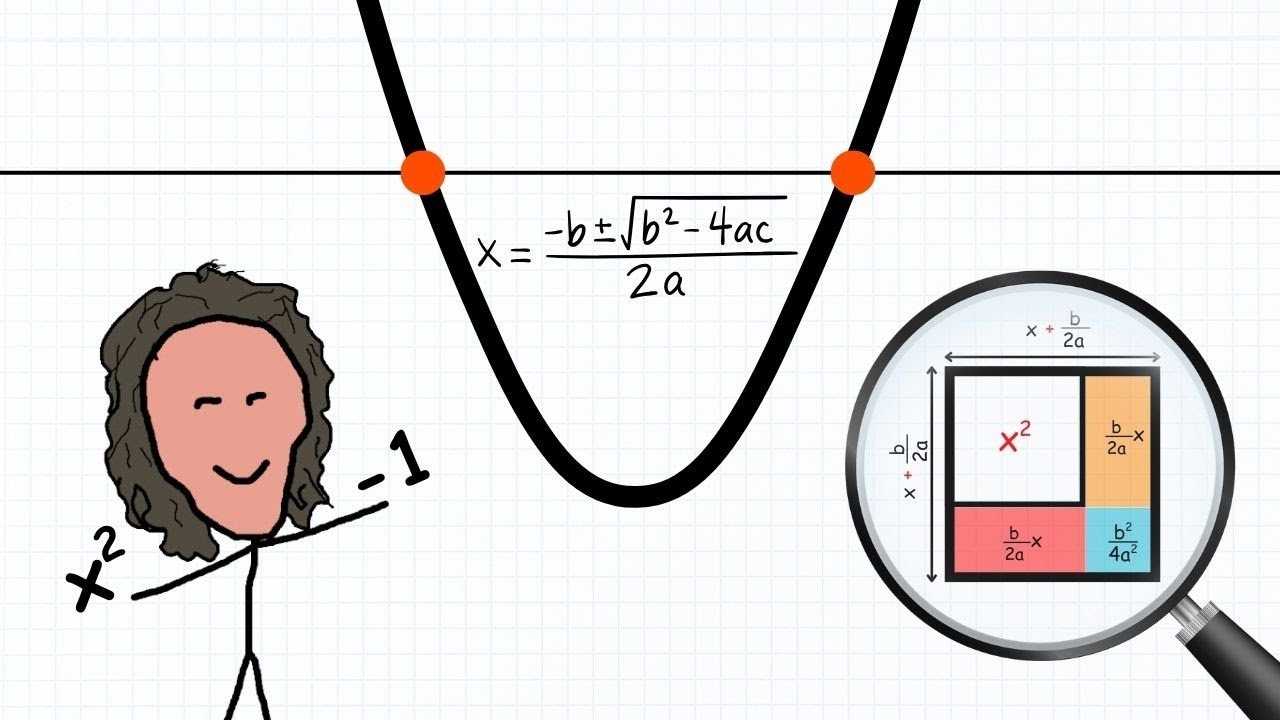
Where the Quadratic Formula Actually Comes From (Derived Step by Step)
What Are Complex Numbers? A Note on the Names Solving Quadratic Equations with Complex Numbers Working with Imaginary Solutions A Quick Aside on the Definition of i Deriving the Quadratic Formula What Are Complex Numbers? Complex numbers often arise when we are solving quadratic equations. We’ll begin with a simple equation: x² = −1.… read more
Written by
-
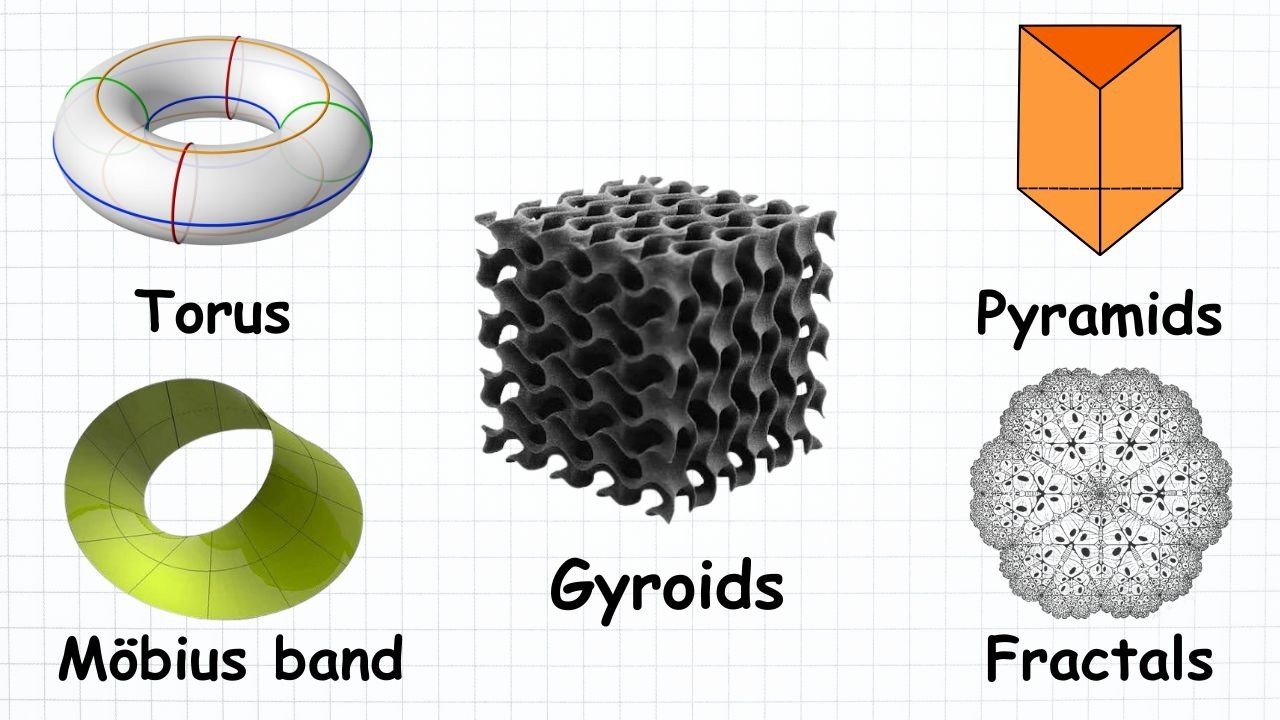
Every Geometric Shape Used in 3D Printing Explained
The Geometry Behind 3D Printing 2D Profiles and Extrusion Platonic Solids Prisms and Pyramids Solids of Revolution The Torus Boolean Operations Parametric Surfaces The Geometry Behind 3D Printing 3D printing would not exist without geometry. Each generated object begins as a three-dimensional representation constructed from vertices, edges, and faces. This structure defines a mesh, which… read more
Written by
-
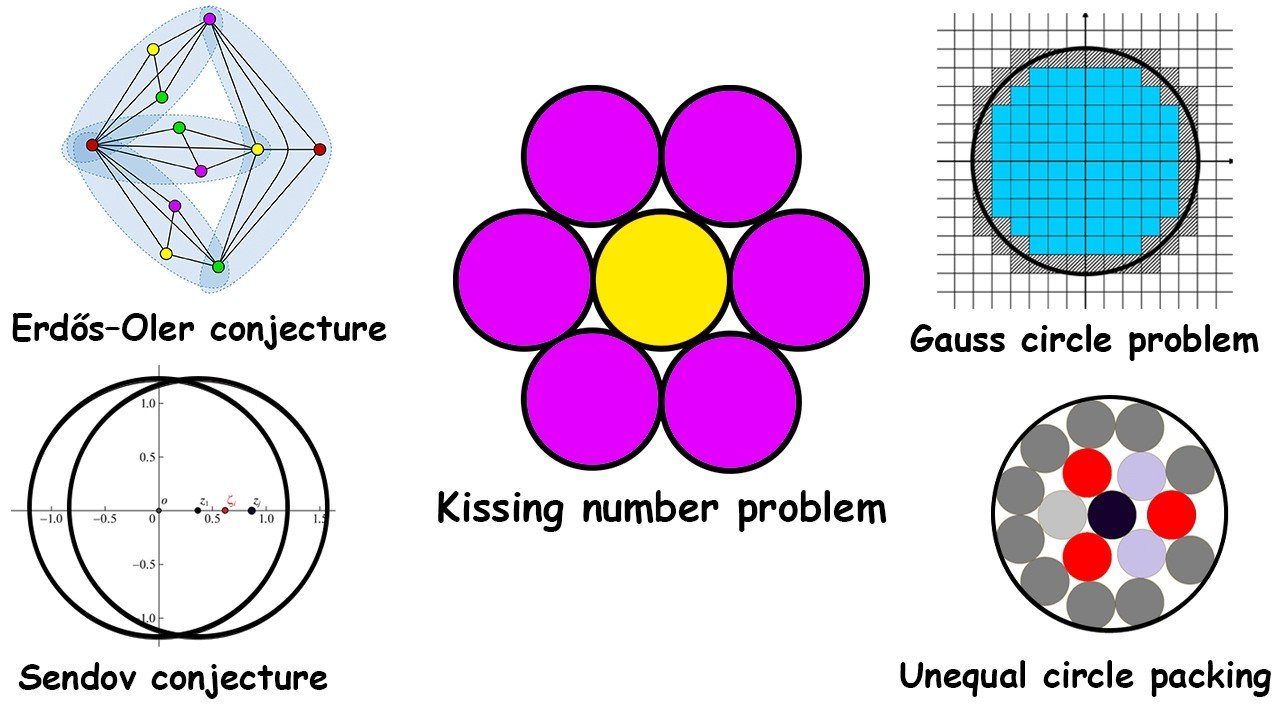
Every Unsolved Circle Problem that Sounds Easy
Five Circle Problems That Are Way Harder Than They Look The Erdős-Oler Conjecture The Gauss Circle Problem The Kissing Number Problem Unequal Circle Packing Sendov’s Conjecture The Erdős-Oler Conjecture A unit circle is a circle whose radius (the distance from the center to the edge) is 1. An equilateral triangle is a triangle where… read more
Written by
-
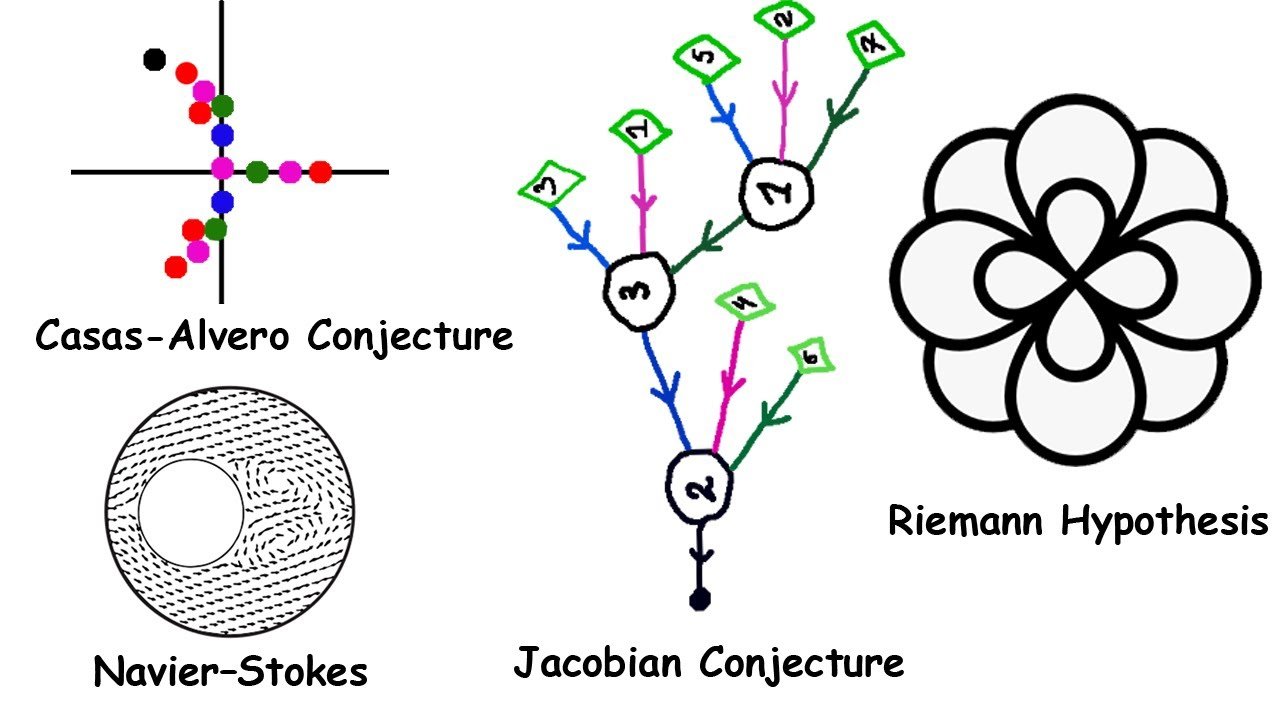
Unsolved Math Problems in Calculus That Sound Easy
The Casas-Alvero Conjecture The Riemann Hypothesis Navier-Stokes Existence and Smoothness The Jacobian Conjecture The Casas-Alvero Conjecture If an integer k can be expressed as the product of two integers m and n, then m and n are called factors of k. A common factor of two integers is a factor shared by both. For instance,… read more
Written by
-
Unsolved Math Problems That Took Centuries to Solve
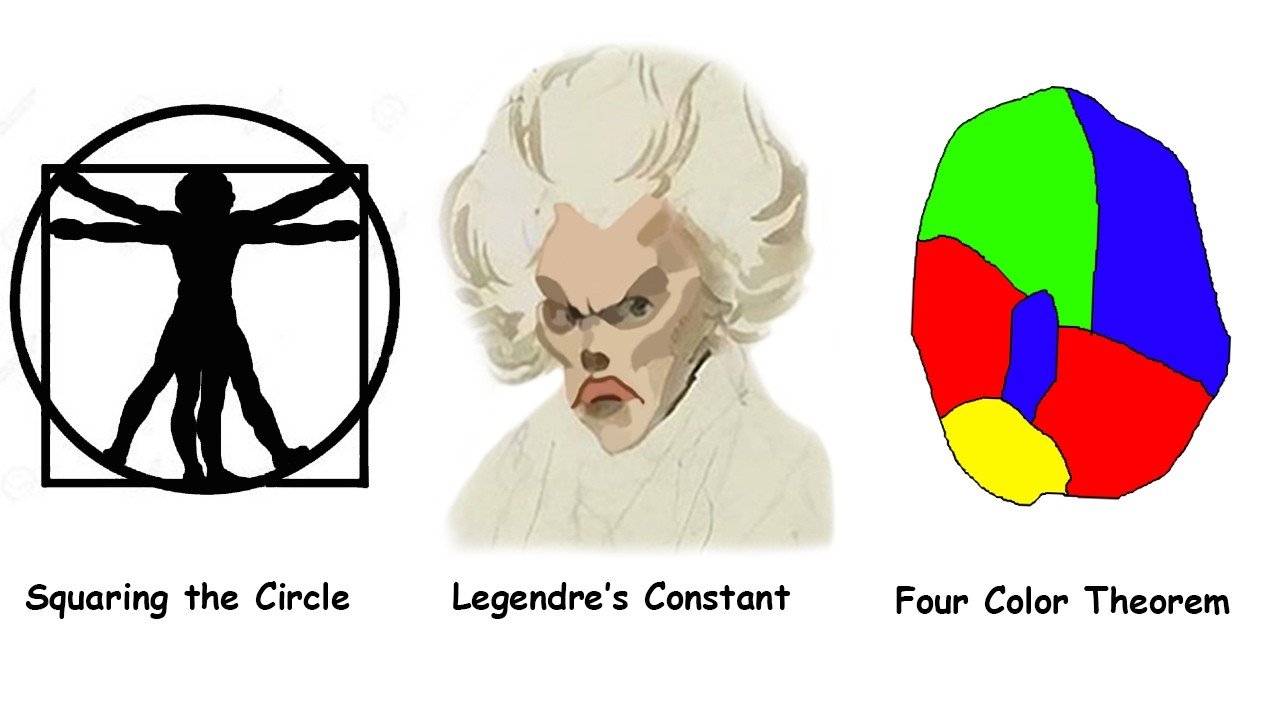
Famous Math Problems That Took Centuries to Solve Squaring the Circle Euler’s Sum of Powers Conjecture The Four Color Map Theorem Legendre’s Constant Fermat’s Last Theorem Squaring the Circle We begin with a sheet of paper, a pencil, and only two other tools. The first is a straight edge, a ruler with no markings that… read more
Written by
-
The Strangest Units of Measurement Still Used Today
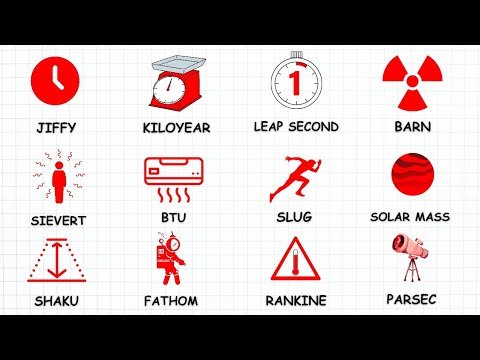
Little-Known Scientific Units That Are Still Surprisingly Useful Units of Time Units in Nuclear Physics, Radiation, and Thermal Energy Units of Mass Units of Length Temperature and Astronomical Units Why These Units Stick Around Further reading Little-Known Scientific Units That Are Still Surprisingly Useful There are little-known units of time that still have relevant technical… read more
Written by
-
Every Equation That Changed History Explained
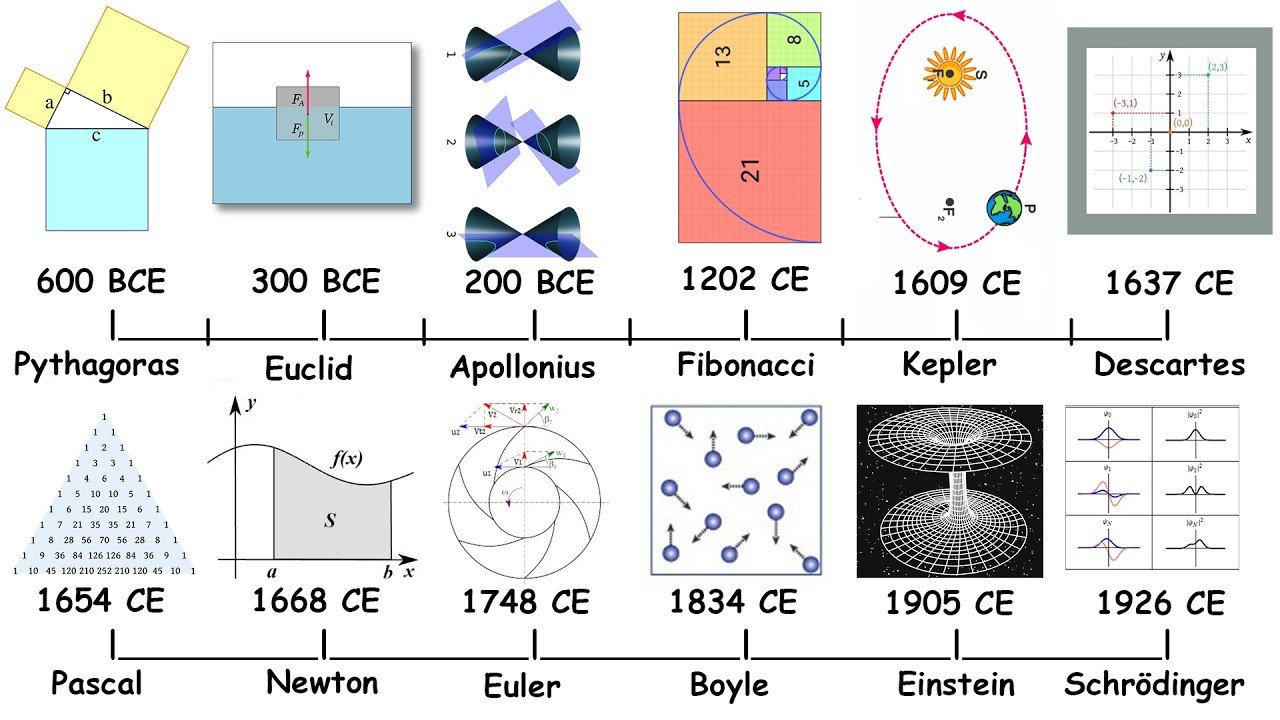
Timeline of Equations That Changed the World 6th Century BC: Thales’ Theorem 6th Century BC: Pythagorean Theorem 300 BC: Euclid’s Theorem 250 BC: Archimedes’ Principle of Flotation 200 BC: Conic Sections First Century AD: Heron’s Formula 1202: Fibonacci Sequence 1609: Kepler’s Laws of Planetary Motion 1614: Logarithms 1637: Cartesian Plane 1637: Fermat’s Last Theorem 1654:… read more
Written by