Author: Thought Thrill
-
the Irrational Apéry’s Constant Explained
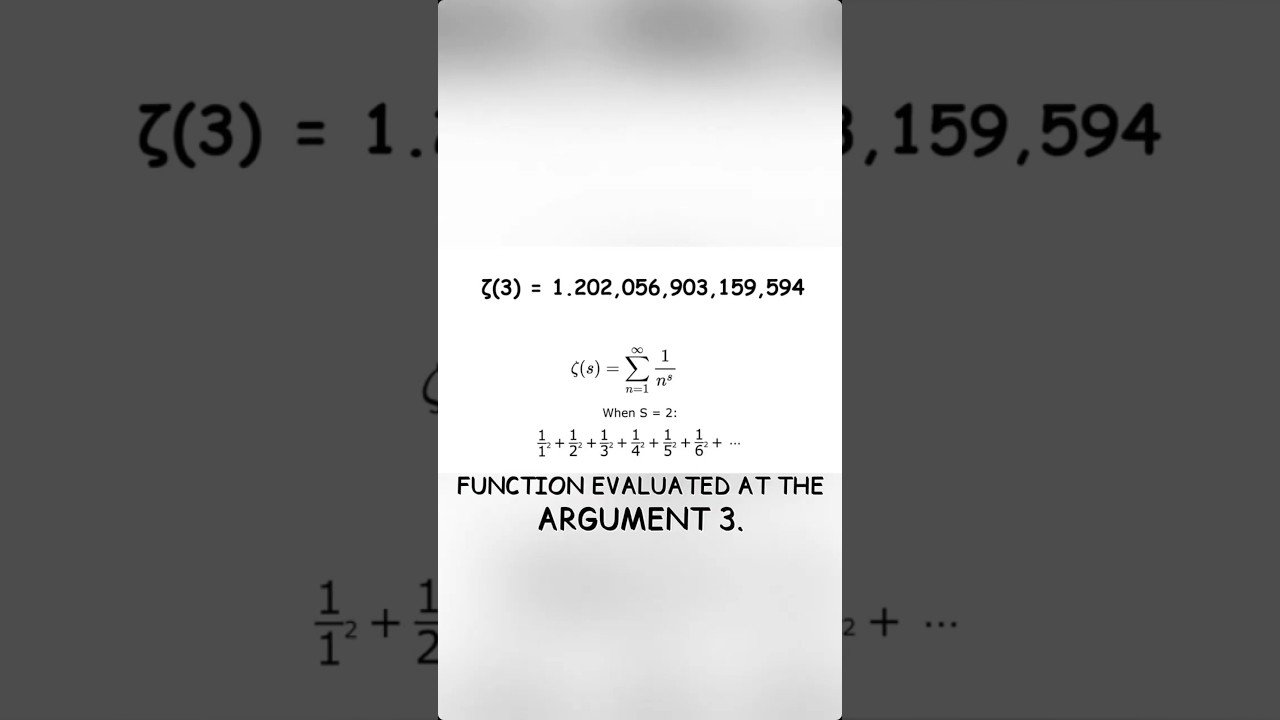
Table of Contents Toggle Apéry’s Constant Overview The Riemann Zeta Function Significance Irrationality Apéry’s Constant Overview Apéry’s constant is the value of the Riemann zeta function evaluated at the argument 3. It has an approximate value of 1.202. The Riemann Zeta Function The Riemann zeta function, denoted by ζ(s), is a function of a complex read more
Written by
-
Every Weird Math Paradox Explained
The Weirdest Mathematical Paradoxes That Challenge Logic, Intuition, and Reality Let’s explore some of the weirdest mathematical paradoxes that challenge logic, intuition, and even reality itself. From ancient riddles to modern brainteasers, these paradoxes will leave you wondering how numbers and the universe really work. The Hairy Ball Theorem Imagine a ball covered in hair, read more
Written by

-
The Greatest Accidental Math Breakthroughs
Great Mistakes and Discoveries in the History of Mathematics Non-Euclidean Geometry For more than two millennia, Euclidean geometry stood as an unquestioned paradigm of physical space. Its fifth postulate, the parallel postulate, stated that through a point outside a given line, only one parallel line could be drawn. This axiom proved particularly problematic, as unlike read more
Written by

-
Pi Explained in 30 seconds π
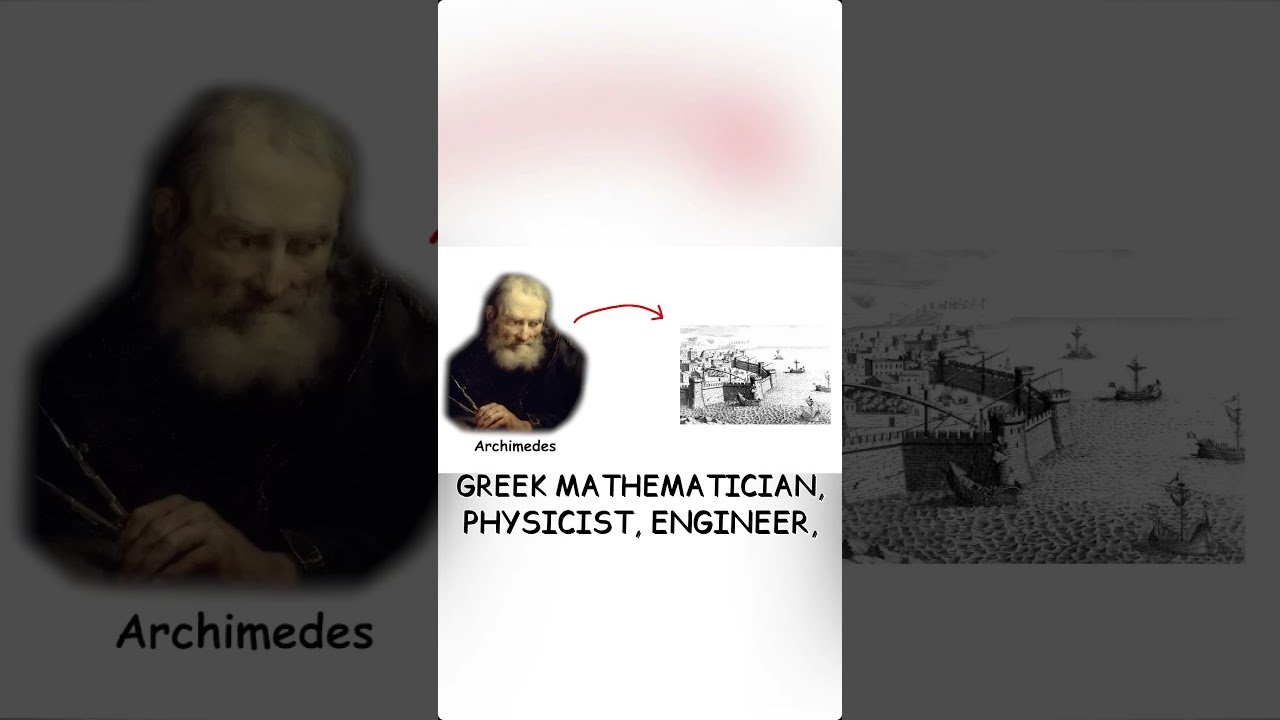
Overview Pi (π) is a fundamental mathematical constant that represents the ratio of a circle’s circumference to its diameter. It was first calculated by the ancient Greek mathematician Archimedes. Origin of the Symbol The Greek letter π (pi) is the first letter of the Greek word perimetros, meaning “circumference.” Discovery Pi was first rigorously calculated read more
Written by
-
The Imaginary Unit i Explained in 30 Seconds
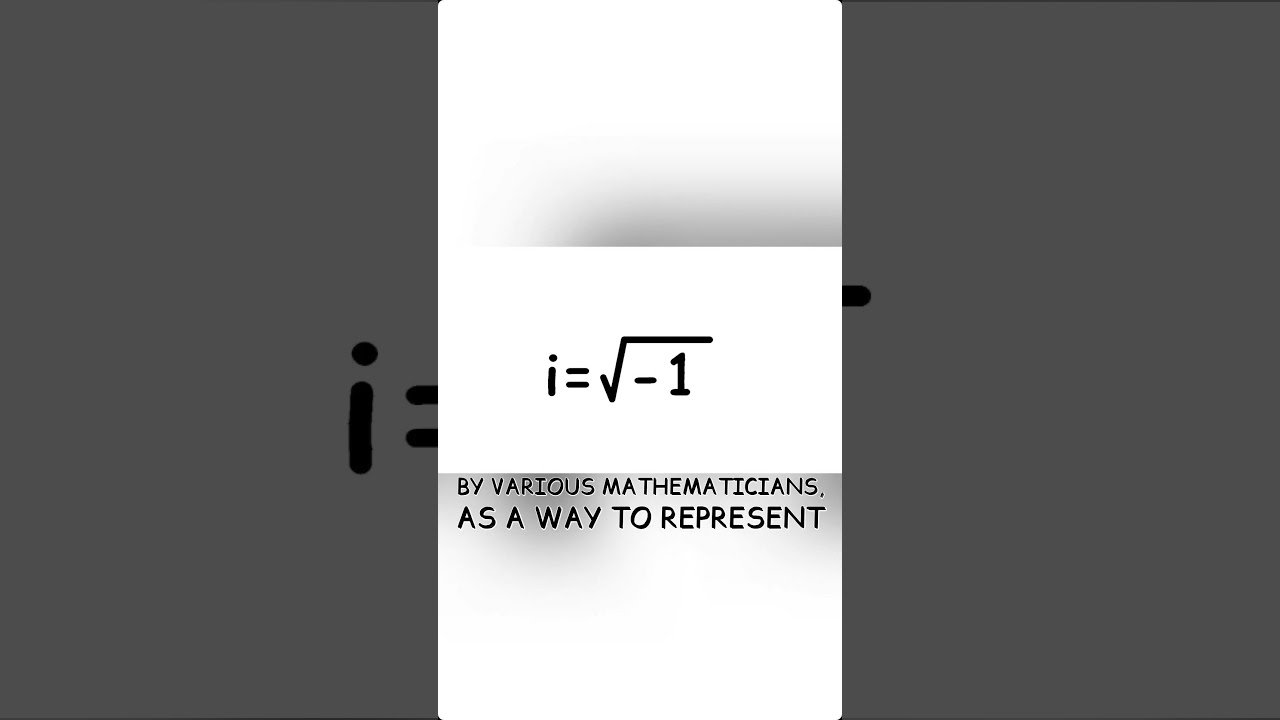
The Imaginary Unit (i) Overview The imaginary unit i is defined by the rule i² = −1. It was introduced to solve equations that have no real number solutions. Definition and History The imaginary unit, denoted by the symbol i, is a mathematical constant representing √(−1). The concept of the imaginary unit was developed over read more
Written by
-
Conway’s Constant Explained
Conway’s Constant Overview Conway’s constant, approximately 1.303577, describes the growth rate of the look-and-say sequence. No matter which number you start with, the length of the sequence eventually grows by this same factor each step. The Look-and-Say Sequence Conway’s constant is a mathematical constant that arises in the study of the look-and-say sequence, a mathematical read more
Written by

-
Greatest Math Theories Explained
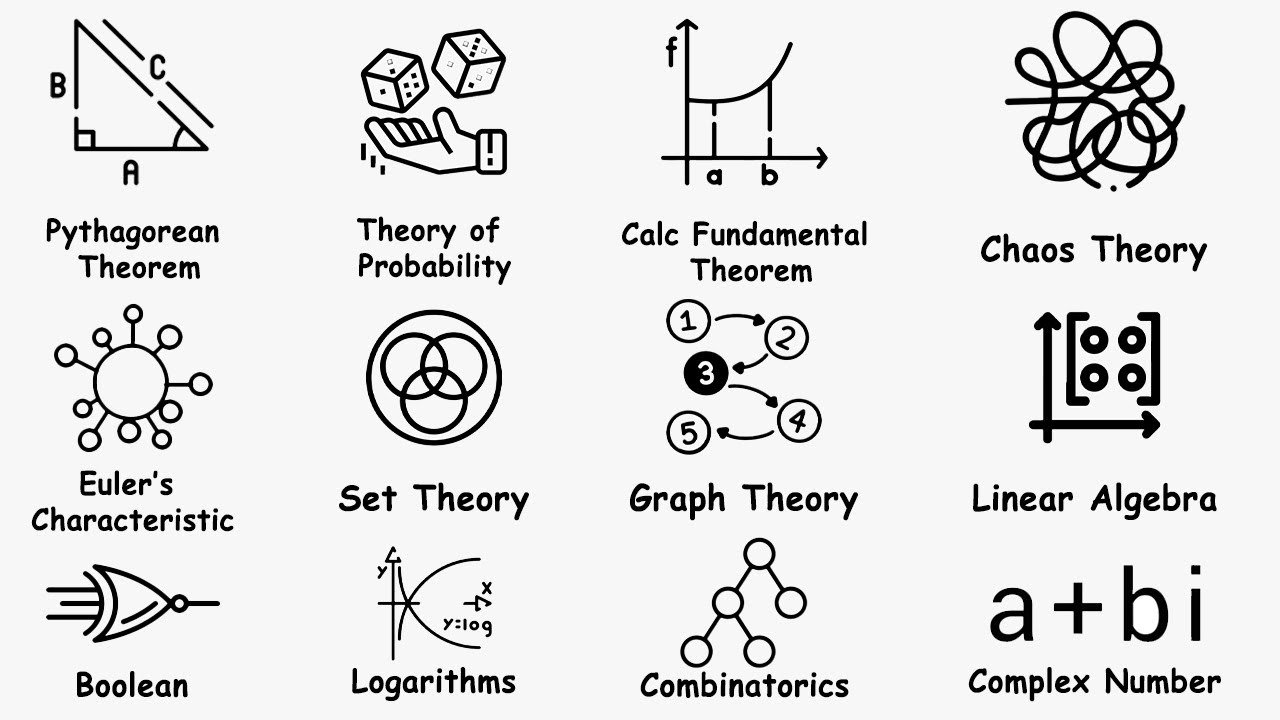
Fundamental Mathematical Concepts and Theories. Part 1: https://www.youtube.com/watch?v=21iE2XQ9gAUPart 2 https://www.youtube.com/watch?v=kesaUCEoPbA Pythagorean Theorem This theorem is about right-angled triangles, which have one angle that is exactly 90°. It states that if you take the lengths of the two shorter sides of the triangle (called the legs) and square them (multiply each by itself), then add those read more
Written by
-
First Feigenbaum Constant (δ) Explained (Chaos Theory)
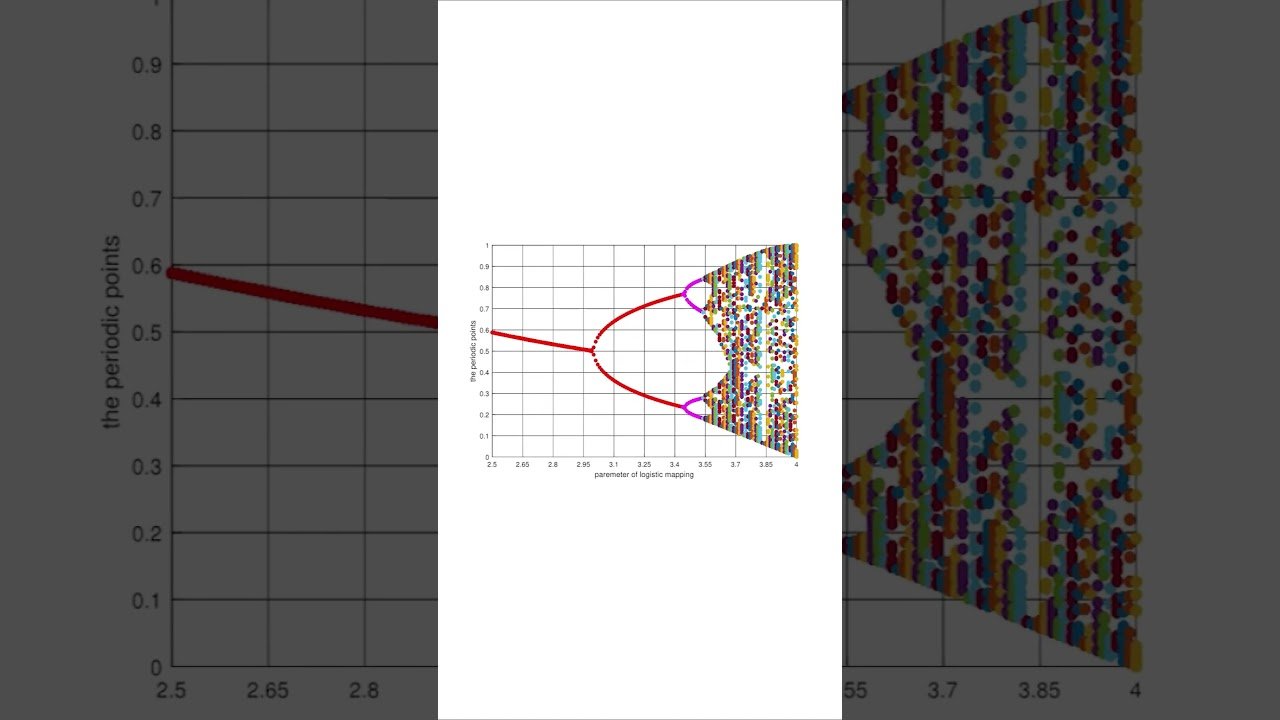
The First Feigenbaum Constant Overview The first Feigenbaum constant, usually denoted δ, is a universal number that appears in the study of chaos theory. Its approximate value is: δ ≈ 4.669201609 It describes how quickly period-doubling bifurcations occur as a system transitions from orderly behavior to chaos. Discovery The first Feigenbaum constant, denoted by the read more
Written by
-
Second Feigenbaum Constant (α) Explained (Chaos Theory)
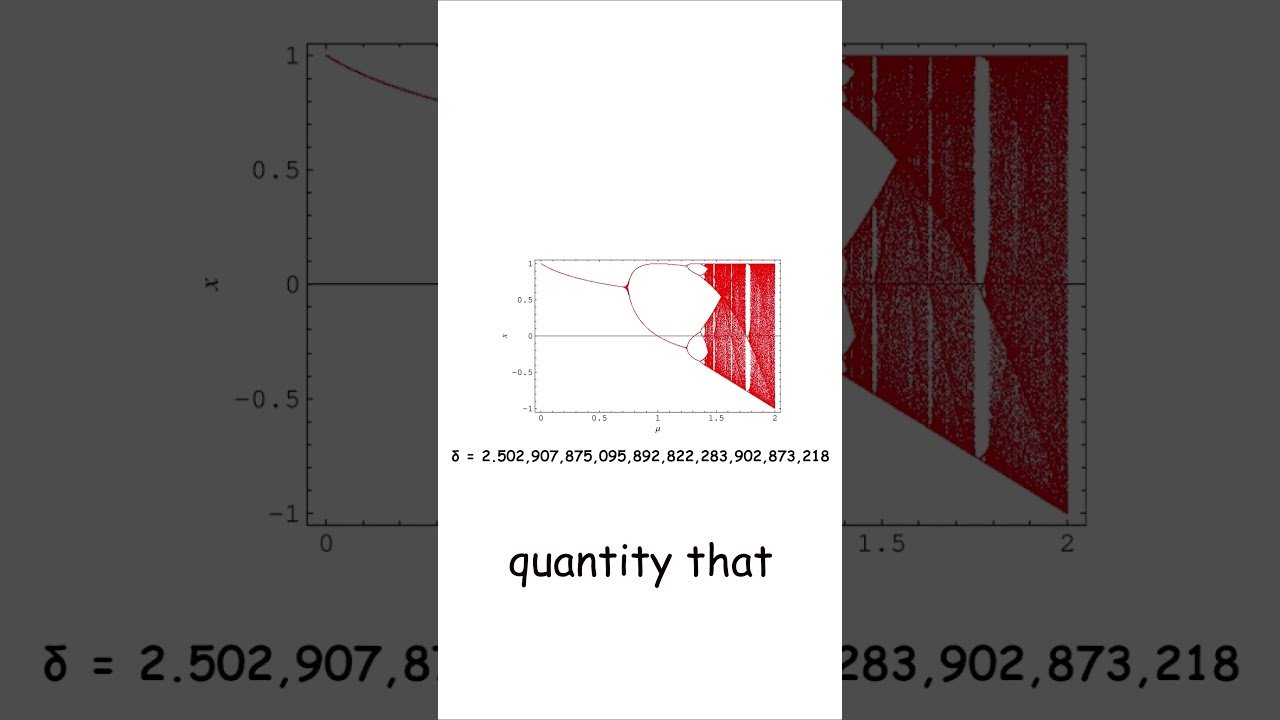
The second Feigenbaum constant, written as α and approximately equal to 2.503, describes how the size of structures in a chaotic system scales as it undergoes period doubling. While the first Feigenbaum constant controls when chaos appears, α controls how the shapes themselves shrink and repeat. The second Feigenbaum constant has a value of approximately read more
Written by
-
The Glaisher–Kinkelin Constant Explained
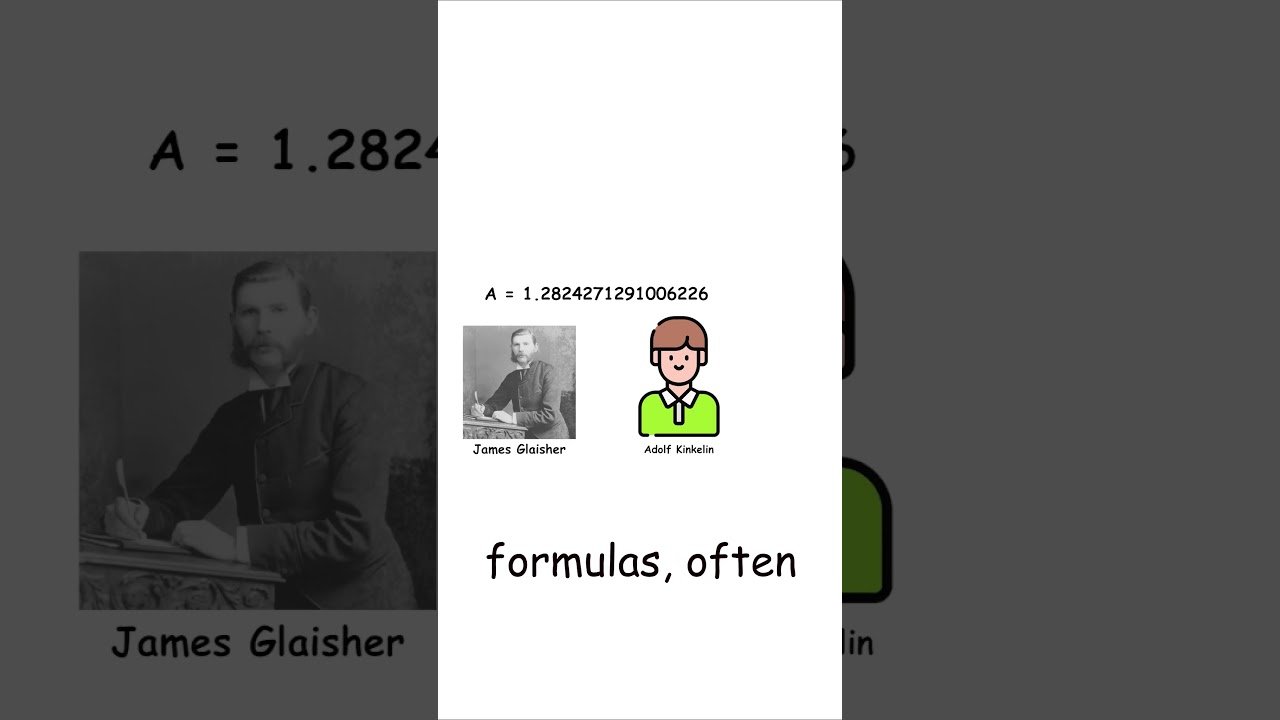
The Glaisher–Kinkelin constant, approximately 1.2824, appears in formulas involving large products, factorials, and special functions. It arises naturally when studying how products of integers grow, especially in expressions related to superfactorials and the Riemann zeta function. The Glaisher–Kinkelin constant is a real number approximately equal to 1.282. It is named after the mathematicians James Glacier read more
Written by