Tag: mathematics
-
Everything You Need to Know About Fahrenheit
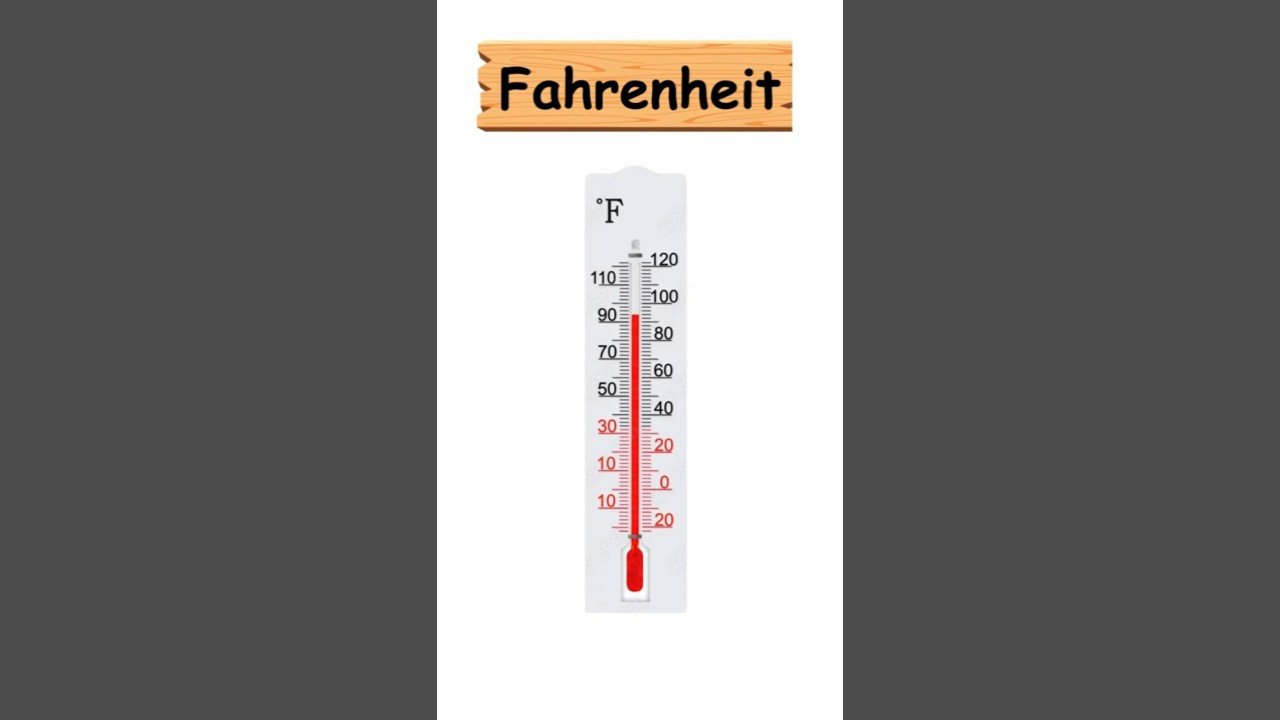
The Fahrenheit scale, with units of degrees Fahrenheit (°F), is likely familiar to those living in the United States of America. Its story begins in 1724 with Polish-Lithuanian physicist and inventor Daniel Gabriel Fahrenheit. The Original Definition The Final Revision The Original Definition Daniel Gabriel Fahrenheit. Public domain, via Wikimedia Commons The Fahrenheit scale was… read more
Written by
-
Everything You Need to Know About Kelvin
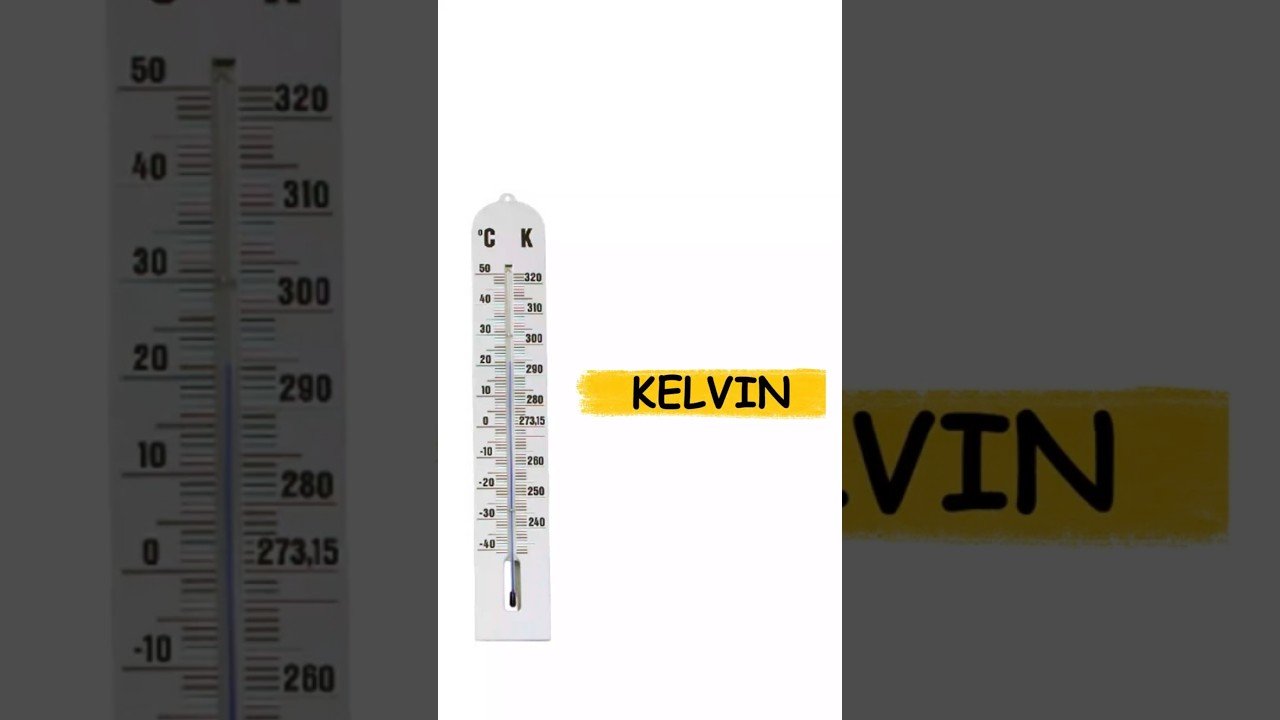
The Kelvin Scale: The Foundation of Temperature Measurement A Note on Notation The History of the Kelvin Scale The Kelvin scale is the temperature scale used in the International System of Units (SI). The SI is exactly what it says on the tin: a standardized measurement system to be used by everyone. A Note on… read more
Written by
-
Sierpiński Triangle – Fascinating Fractal
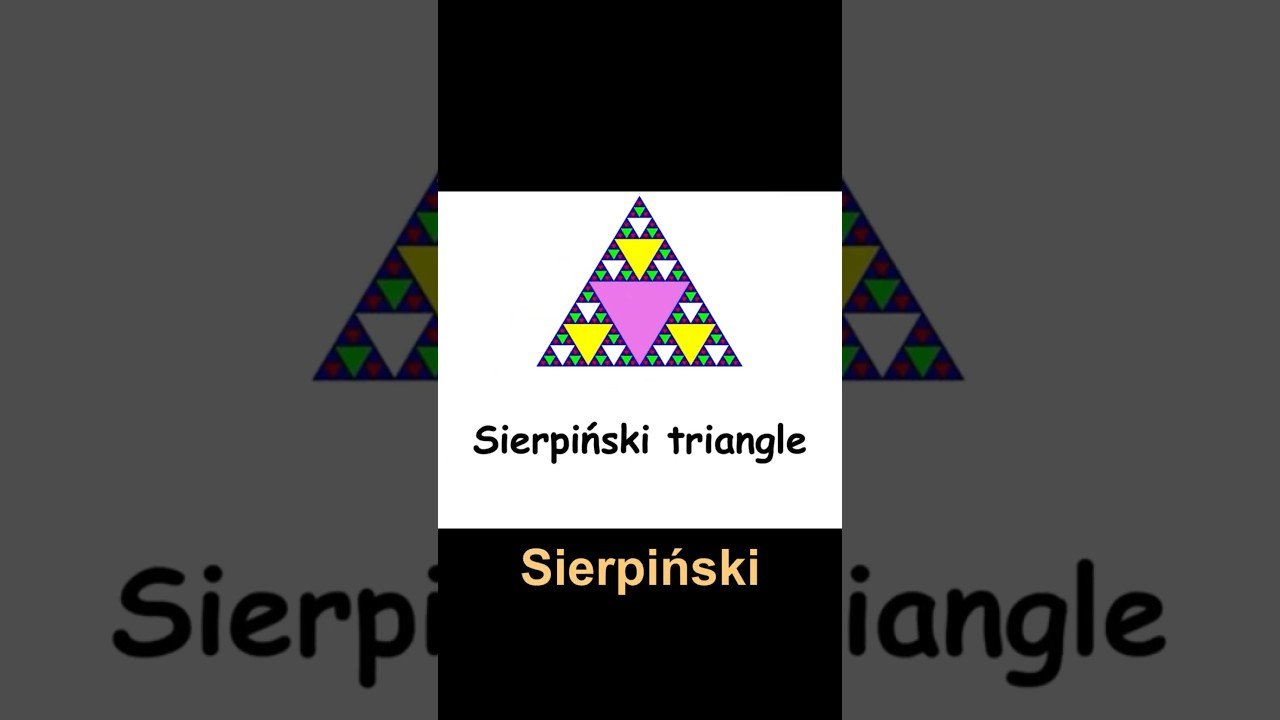
The Sierpiński Triangle: A Fractal Built from Itself A Fractal with Infinite Detail The Sierpiński Triangle: A Fractal Built from Itself Take three identical equilateral triangles and join them at the vertices so that they form another equilateral triangle in the middle. Then shrink this shape down by a factor of 1/2. Take three identical… read more
Written by
-
What Is a Tesseract?
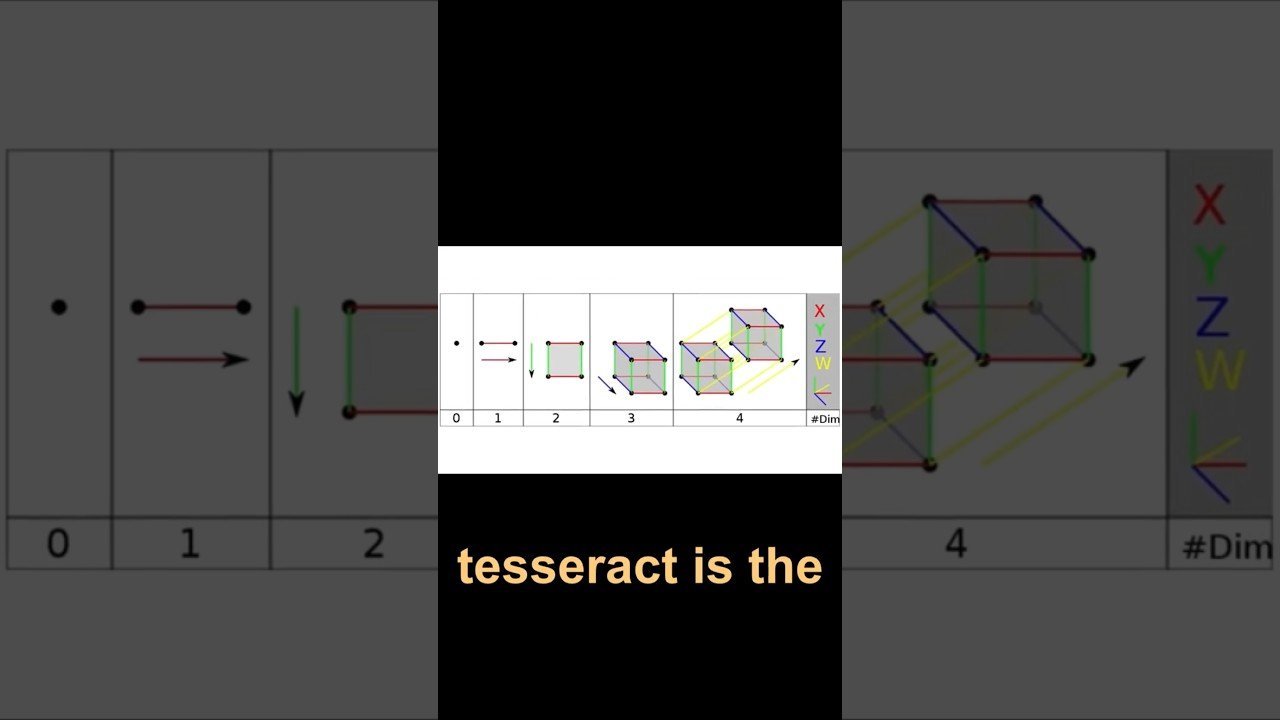
The Tesseract: A Cube in Four Dimensions Visualizing the Fourth Dimension The Tesseract: A Cube in Four Dimensions Tesseract. Public domain, via Wikimedia Commons The tesseract is the four-dimensional analog of the cube. Just as a line segment is formed by connecting two points, a square by connecting four line segments, and a cube by… read more
Written by
-
The Impossible One-Sided Surface Explained (Möbius Strip)
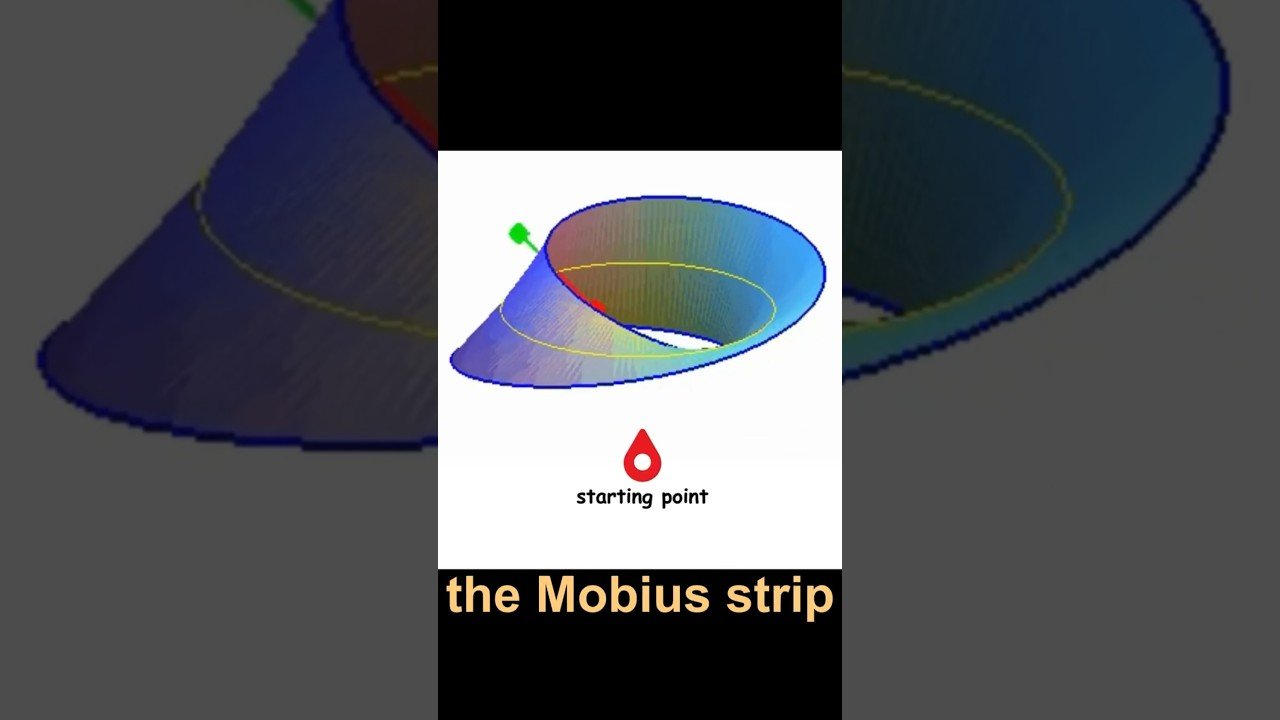
The Möbius Strip: The Surface with Only One Side What Is a Nonorientable Surface? The Möbius Strip: The Surface with Only One Side Let’s start with a Möbius strip, named after German mathematician August Ferdinand Möbius. This is an object you could make at home. Just take a paper strip, give one end a half… read more
Written by
-
The Coastline Paradox Explained in 30 Seconds
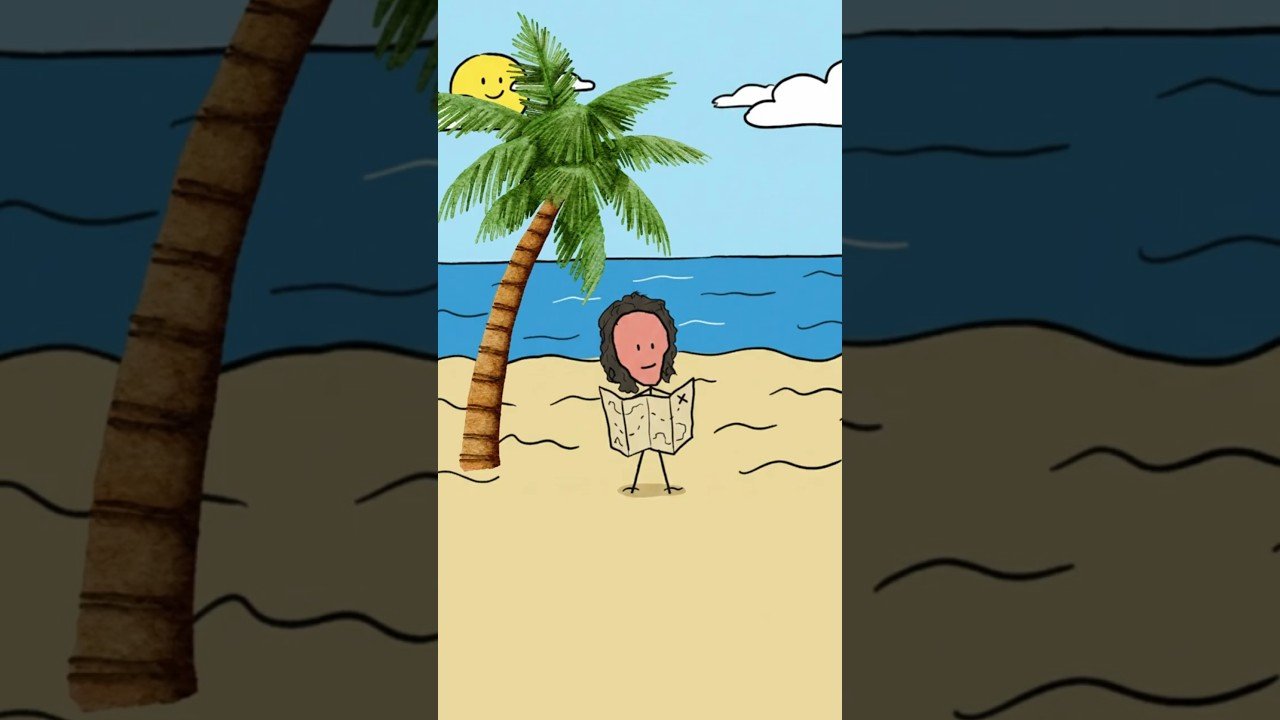
The Coastline Paradox: Why Coastlines Have No True Length Do you think you know how long a coastline is? Measuring one seems simple, but the smaller your ruler, the longer the coast becomes. This happens because coastlines are jagged and detailed. Every smaller measurement catches more twists and turns. A coastline’s length is not fixed… read more
Written by
-
Klein Bottle – The 4D Shape With No Inside or Outside
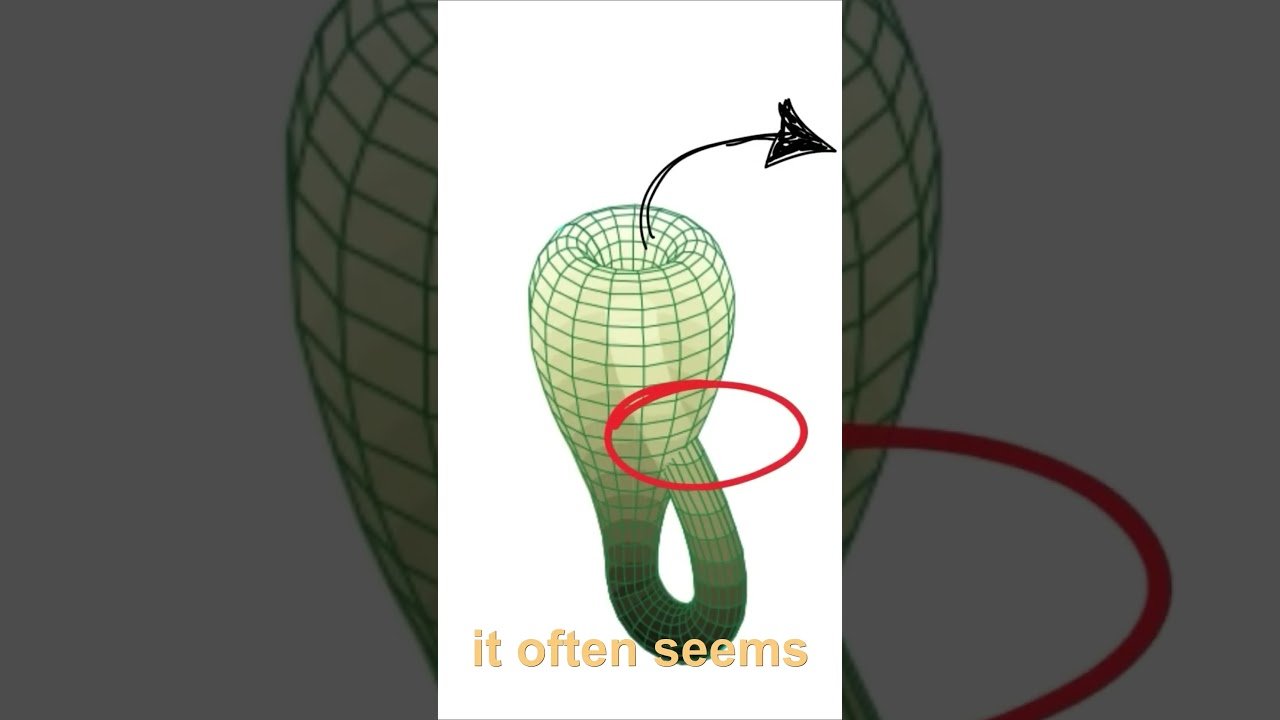
The Klein Bottle: A Surface with No Inside or Outside Constructing a Klein Bottle The Klein Bottle: A Surface with No Inside or Outside The Klein bottle, named after German mathematician Felix Christian Klein, is another example of a non-orientable surface. However, unlike the Möbius strip, it has no boundary, meaning there are no points… read more
Written by
-
The Complex Equations of The Mandelbrot Set Explained
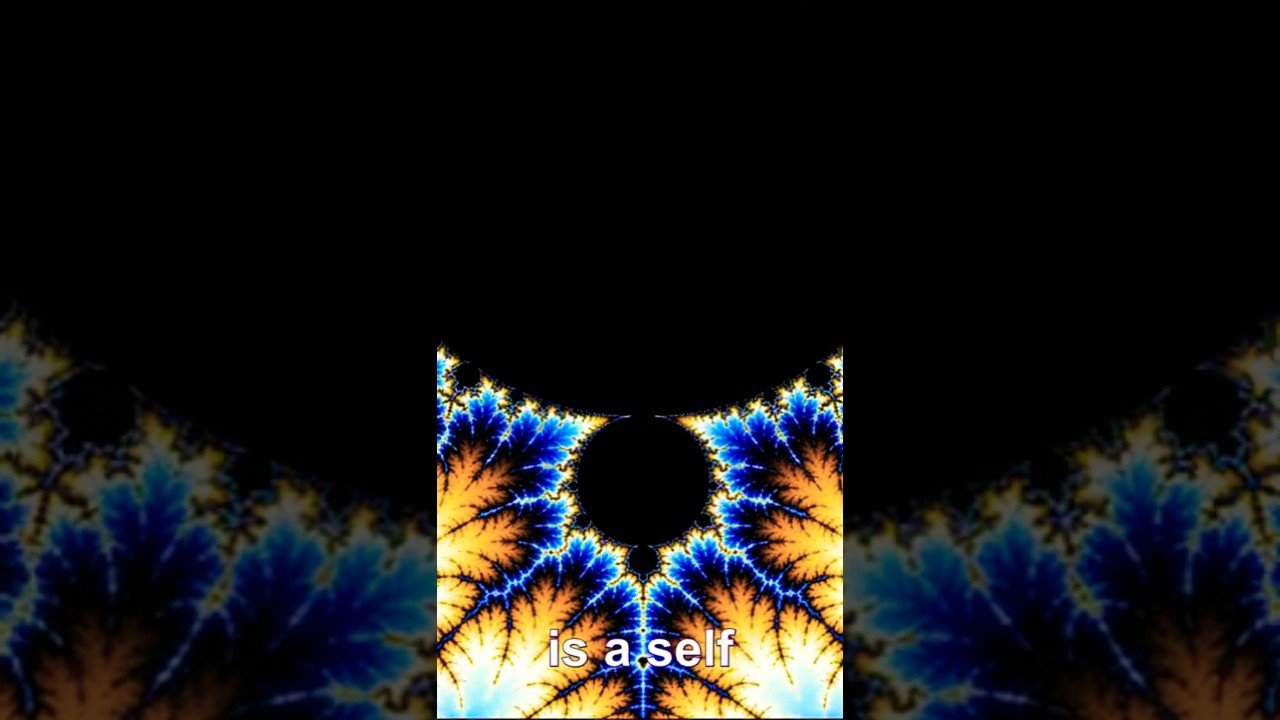
The Mandelbrot set, named after French-American mathematician Benoît B. Mandelbrot, arises in the study of complex numbers. How It Works A Fractal of Extraordinary Detail How It Works We begin by picking some number c in the complex plane. Using c, we define a function: take a number, multiply it by itself, add c, and… read more
Written by
-
Unsolved Geometry Puzzle – The Square Packing Problem Explained
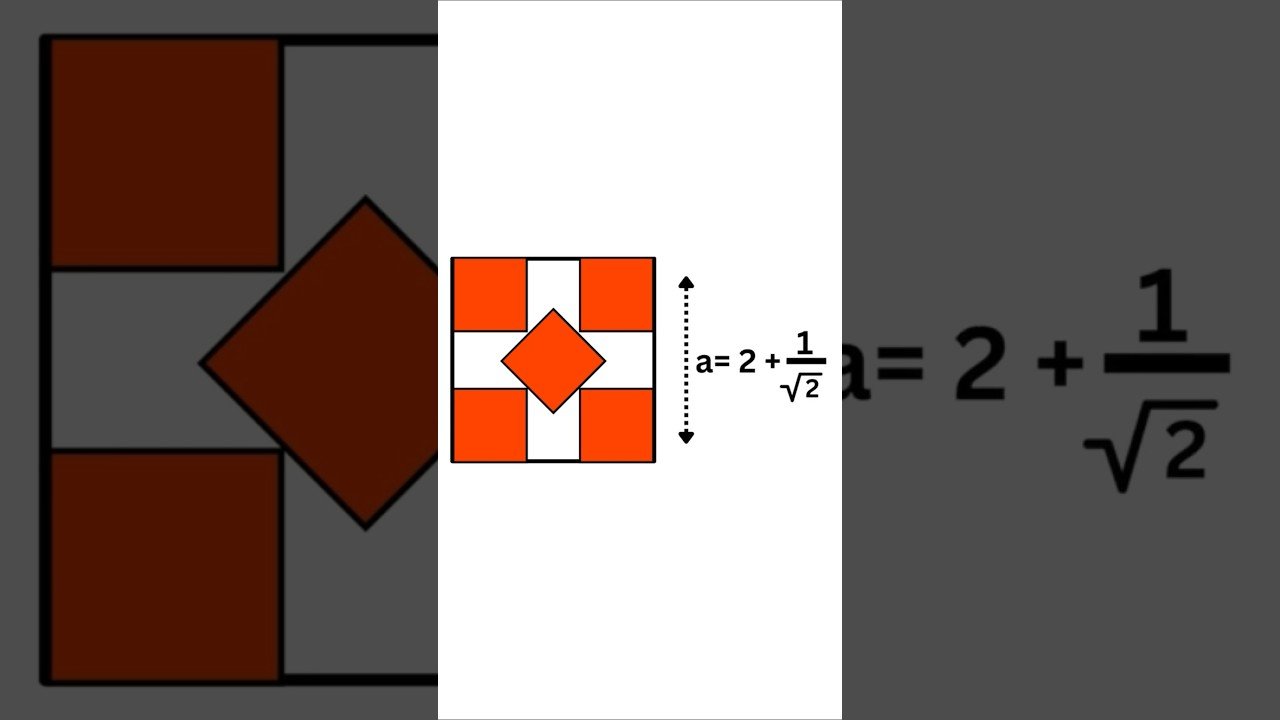
A unit square is a square with a side length of one unit. Suppose you have a collection of some number of unit squares, and we will call this number n. You want to pack all these squares into a large square enclosure with no overlap. For a given number of unit squares n, what… read more
Written by
-
Topology Explained in 45 Seconds
Topology studies the properties of spaces and figures that remain invariant under continuous deformations such as stretching, twisting, or bending, as long as there are no cuts or new attachments. A circle and an ellipse are topologically equivalent, whereas a circle and a figure eight are not. The Foundations The central concept is the topological… read more
Written by