
Basic Geometry
The fundamental entities of geometry include the point, the line, and the plane. It is only possible to describe them in relation to other similar elements.
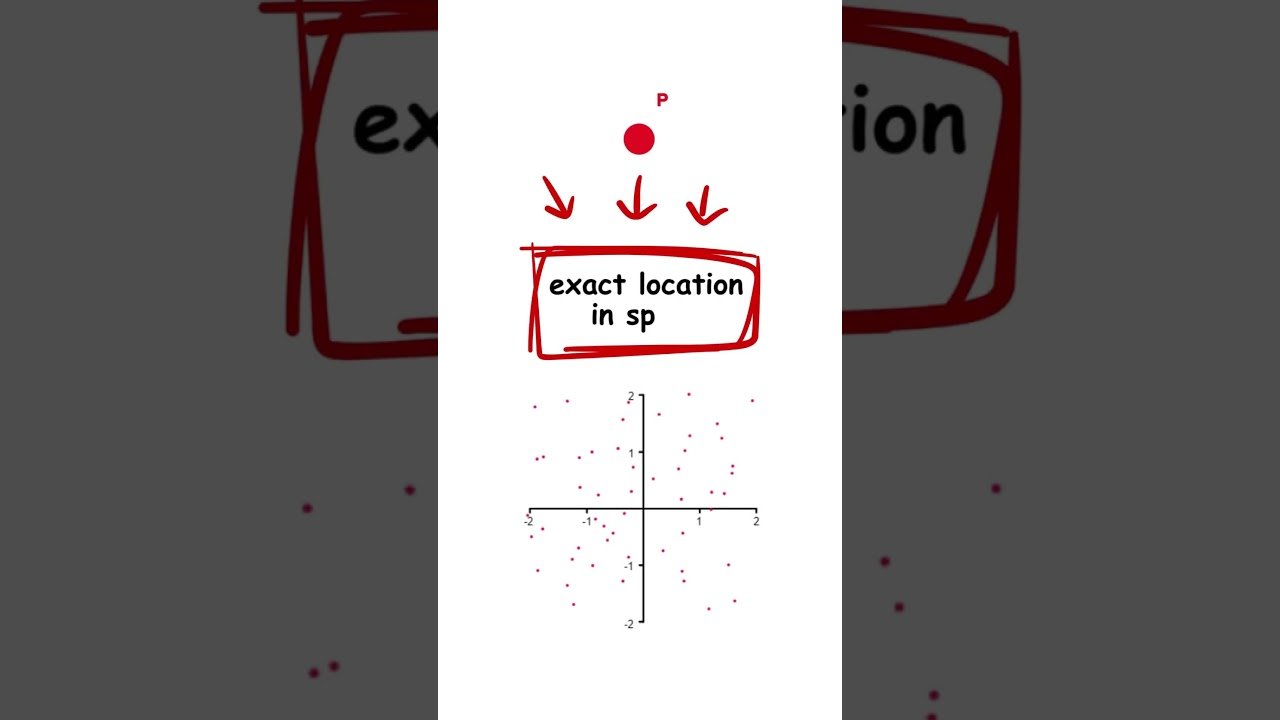
The point is an exact location in space with no size or volume and is considered to exist in zero dimensions, having neither length, width, nor height. The straight line is a continuous succession of points extended in a single direction and, along with the point, exists in only one dimension. The plane is an object that has two dimensions and contains infinite points and straight lines.
Building on the Foundations
These three objects, the point, line, and plane, are called “undefined terms” in Euclidean geometry. They aren’t formally defined using simpler concepts because they are the simplest concepts. Everything else in geometry is built from them. Two points determine a unique line. Three non-collinear points (points not all on the same line) determine a unique plane. And the relationships between these objects give rise to all of geometry’s core ideas: distance, angle, area, and eventually volume when we move into three dimensions.
From here, the subject branches in many directions. Combining lines produces angles. Enclosing regions with line segments produces polygons. Allowing curvature introduces circles and conic sections. And extending everything into 3D space opens the door to polyhedra, spheres, and the full landscape of solid geometry. But it all starts with a point, a line, and a plane.
Further Reading
- Point on MathWorld
- Line on MathWorld
- Plane on MathWorld
- Euclidean Geometry on MathWorld
Leave a Reply