Tag: math education
-
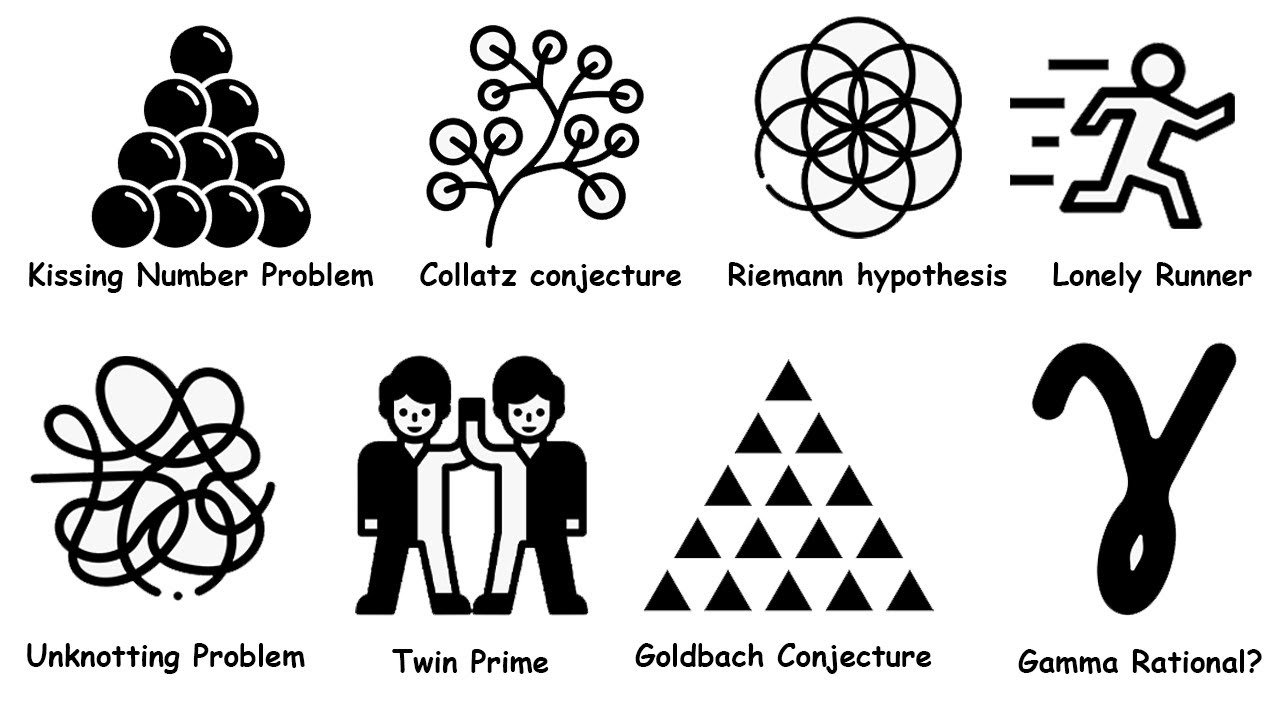
Every Unsolved Math problem that sounds Easy
The Kissing Number Problem The Goldbach Conjecture The Collatz Conjecture The Twin Prime Conjecture The Unknotting Problem The Enigma of π + e The Birch and Swinnerton-Dyer Conjecture The Riemann Hypothesis The Lonely Runner Conjecture Is γ Rational? The Kissing Number Problem A broad category of problems in math are called the sphere packing problems.… read more
Written by
-
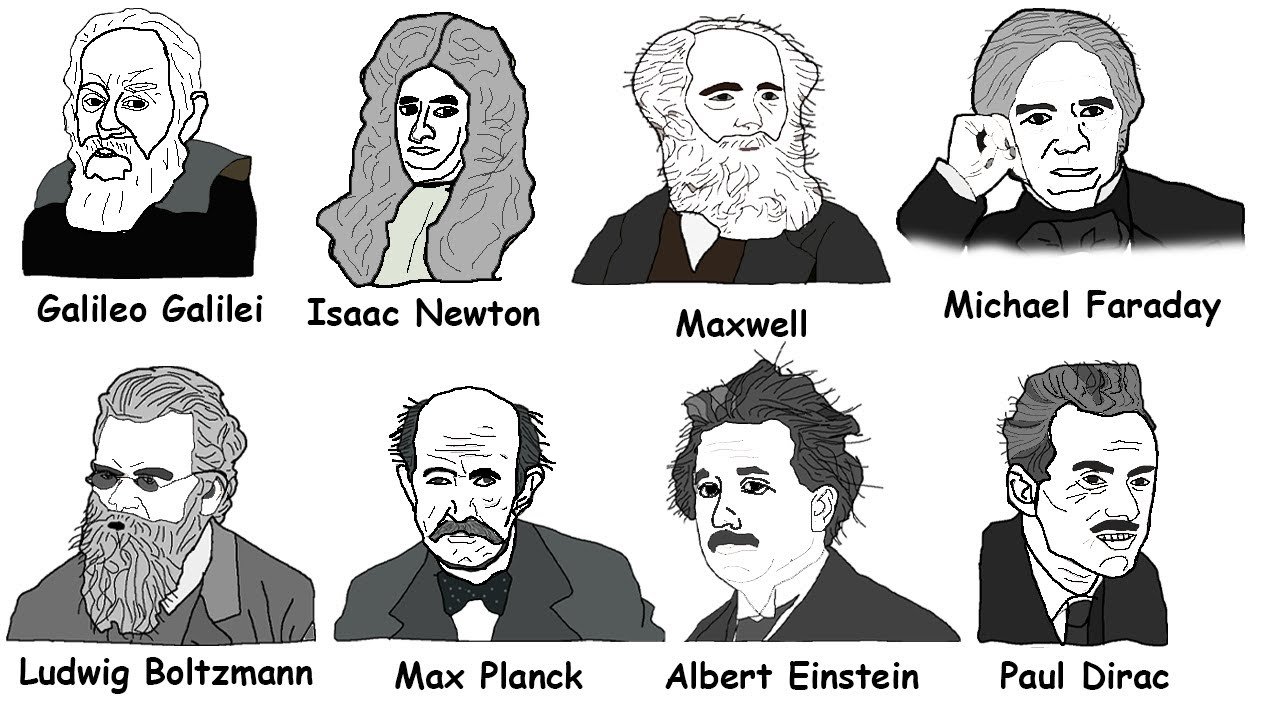
Greatest Physicists and their Contributions
Galileo Galilei Isaac Newton Michael Faraday James Clerk Maxwell Ludwig Boltzmann J.J. Thomson Max Planck Marie Curie Ernest Rutherford Albert Einstein Niels Bohr Paul Dirac Richard Feynman Galileo Galilei Born in Pisa, Galileo initially trained as a doctor, studying medicine at the University of Pisa. He shifted to mathematics but left due to financial issues,… read more
Written by
-
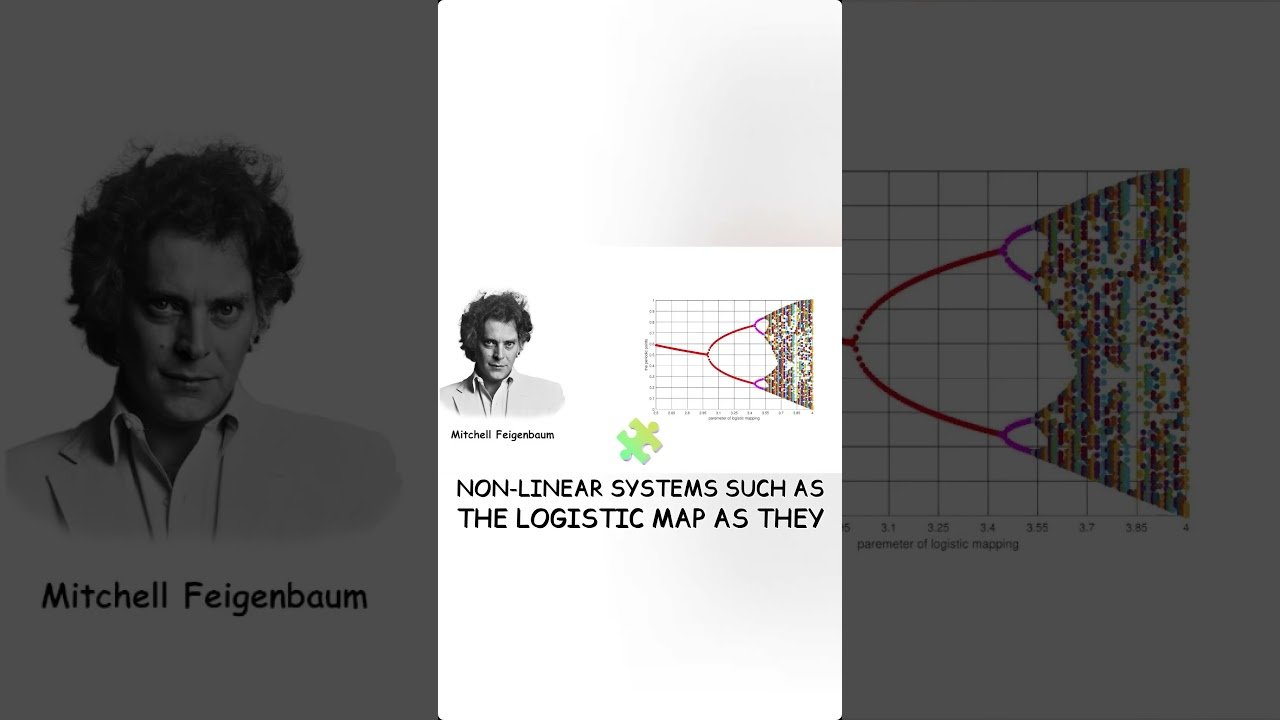
This Number Predicts Chaos: Feigenbaum's First Constant Explained
The first Feigenbaum constant, denoted by the Greek letter δ, has an approximate value of: δ ≈ 4.66920… This constant was discovered by mathematician Mitchell Feigenbaum in the late 1970s. What Does It Describe? Connection to Chaos Theory What Does It Describe? The first Feigenbaum constant is a fundamental quantity that describes the universal behavior… read more
Written by
-
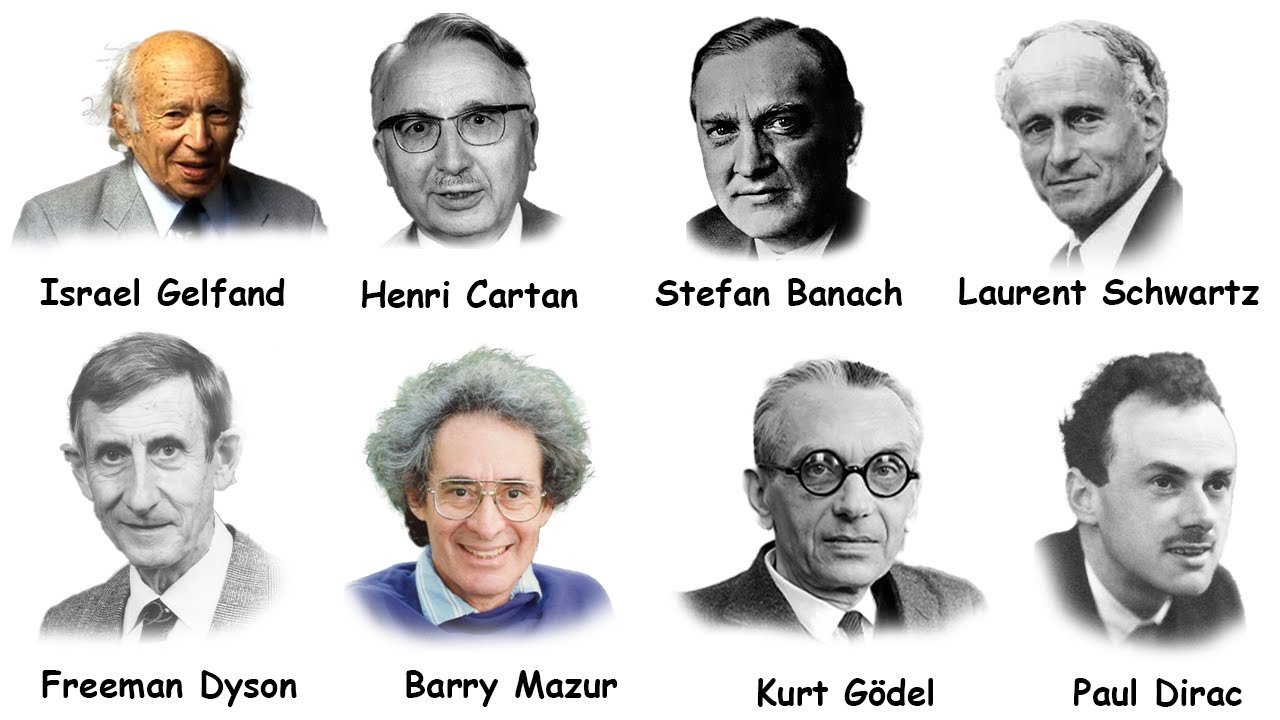
Greatest Mathematicians – Final Part (Pt 3)
Famous and Influential Mathematicians from 600 BC to the 21st Century Stefan Banach Henri Cartan Israel Gelfand Laurent Schwartz David Mumford Alain Connes Karen Uhlenbeck Freeman Dyson Barry Mazur Peter Lax Yakov Sinai George Dantzig Enrico Bombieri David Hilbert Claude Shannon Felix Hausdorff Alfred Tarski Marshall H. Stone Saunders Mac Lane Paul Dirac Pierre de… read more
Written by
-
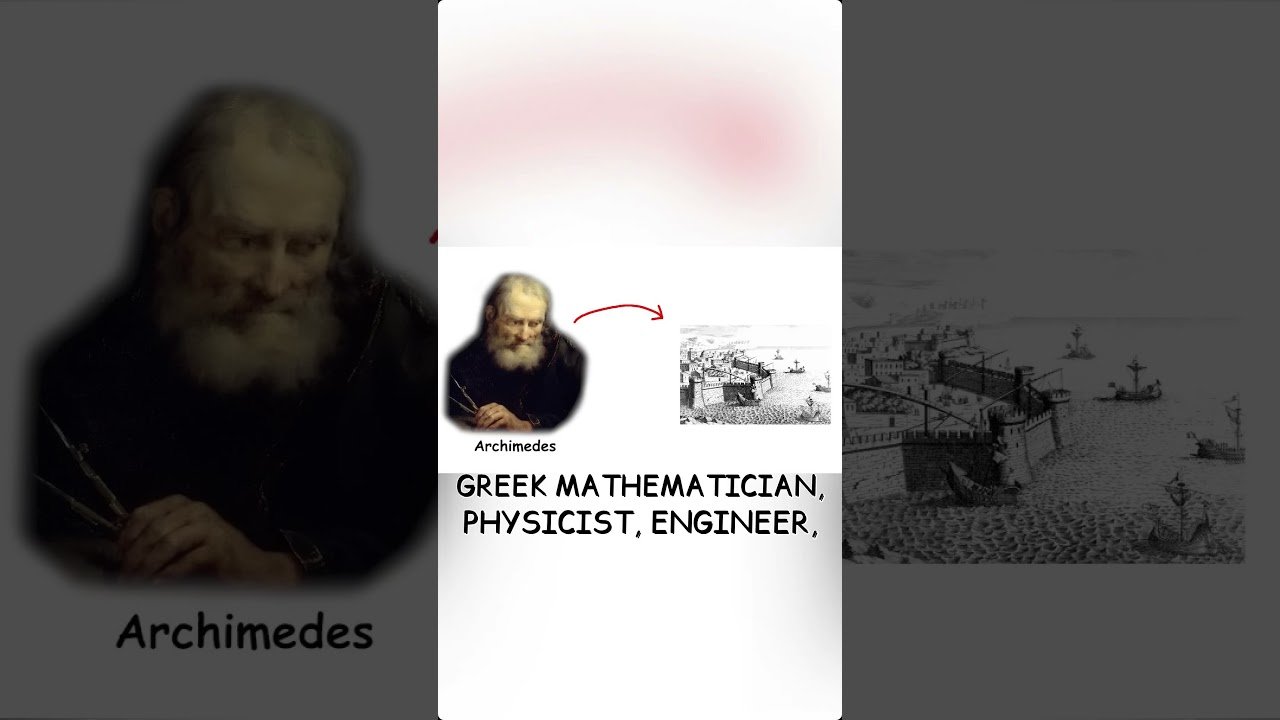
What Is Pi? Explained in 37 Seconds
Pi (π) is a fundamental mathematical constant that represents the ratio of a circle’s circumference to its diameter: π = C / d ≈ 3.14159265… The Greek letter π is the first letter of the Greek word perimetros, meaning circumference. It was first calculated by the ancient Greek mathematician Archimedes of Syracuse, who was also… read more
Written by
-
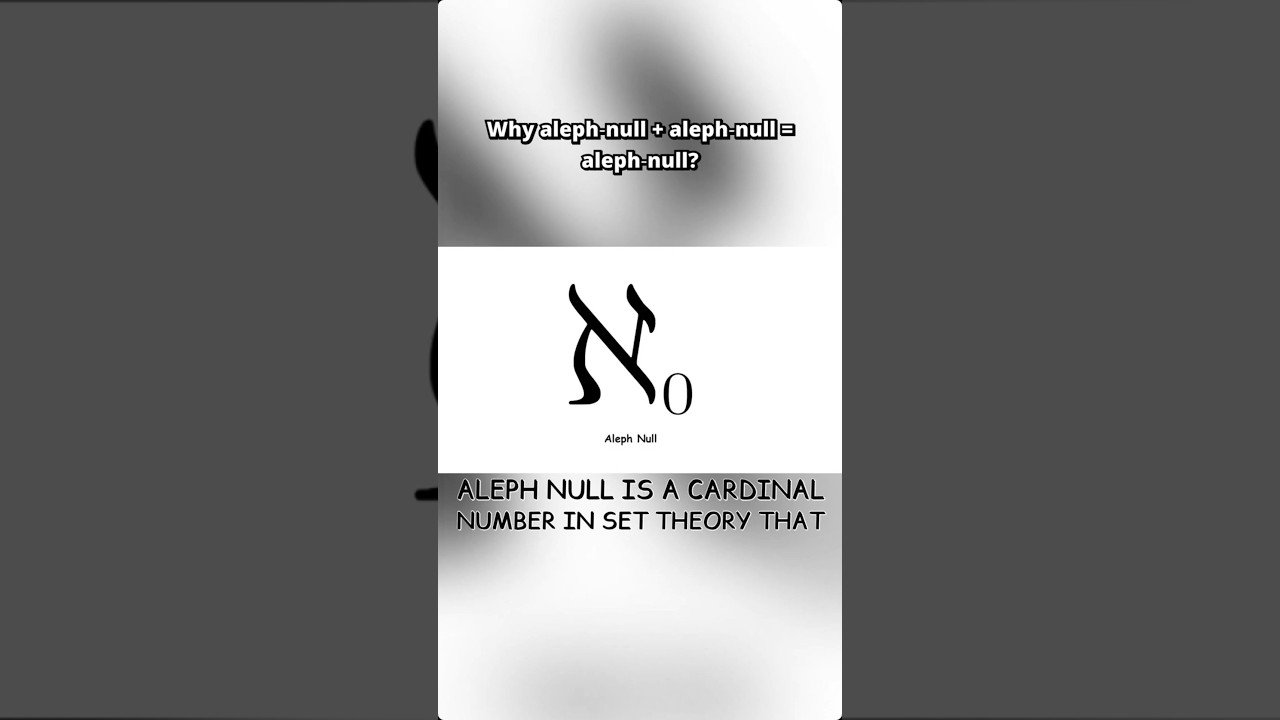
Why aleph‑null + aleph‑null = aleph‑null (The Math of Infinity)
Aleph-Null: The Smallest Infinity Aleph-null (ℵ₀) is a cardinal number in set theory that represents the cardinality, or size, of the set of natural numbers {1, 2, 3, …}. It is the first transfinite cardinal number and is used to describe the size of infinite sets. Arithmetic with Aleph-Null Comparing Infinite Sets Cantor’s Diagonal Argument… read more
Written by
-
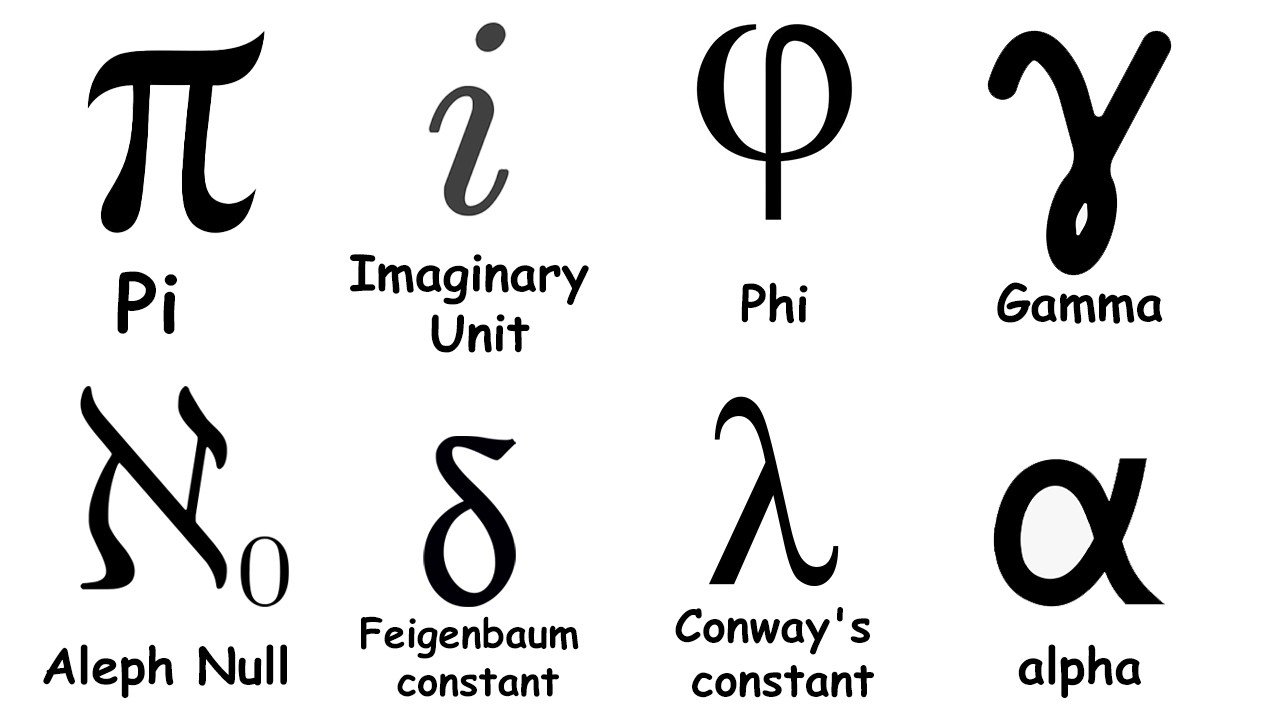
Every Important Math Constant Explained
Pi (π) Euler’s Number (e) The Imaginary Unit (i) Pythagoras’s Constant (√2) Theodorus’s Constant (√3) The Golden Ratio (φ) The Euler-Mascheroni Constant (γ) The First Feigenbaum Constant (δ) The Second Feigenbaum Constant (α) Apéry’s Constant (ζ(3)) Conway’s Constant (λ) Khinchin’s Constant (K) The Glaisher-Kinkelin Constant (A) Zero (0) Aleph-Null (ℵ₀) Catalan’s Constant (G) Pi (π)… read more
Written by
-
Greatest Mathematicians and their Discoveries – Part 2
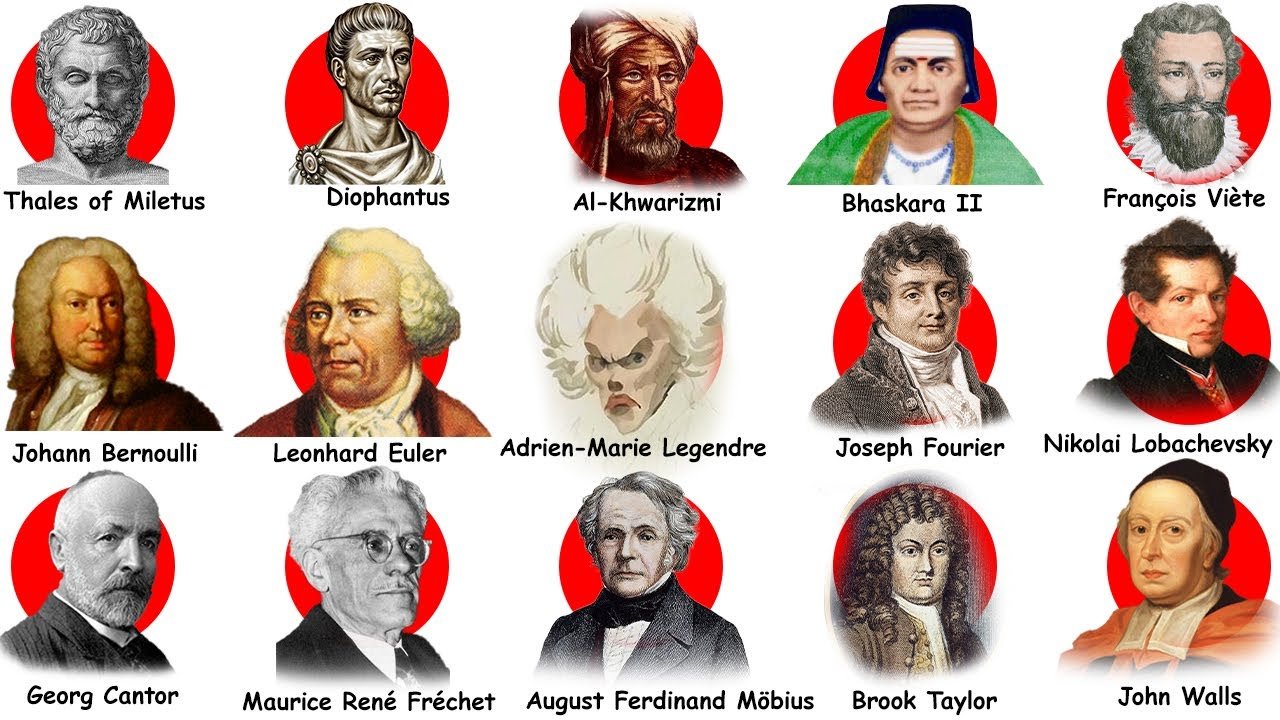
A Timeline of History’s Greatest Mathematicians Ancient Mathematicians Indian and Central Asian Mathematicians Renaissance and Early Modern Mathematicians The Bernoulli Era and 18th Century 19th Century Mathematicians Early 20th Century Mathematicians Mid to Late 20th Century Mathematicians Ancient Mathematicians Thales of Miletus is a foundational figure in Greek mathematics and philosophy, credited with early developments… read more
Written by
-
Why Catalan’s Constant Still Puzzles Mathematicians
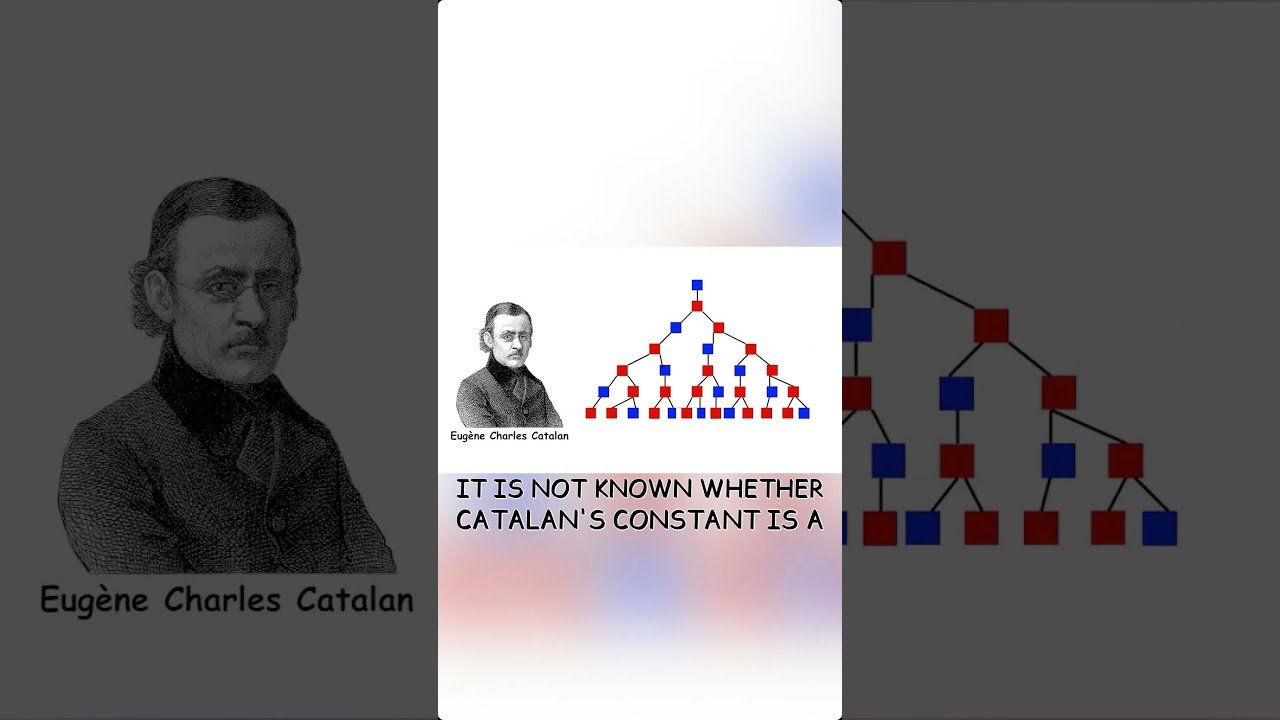
Catalan’s constant is a well-known mathematical constant defined by the infinite series: It is named after the Belgian mathematician Eugène Charles Catalan, who first gave an equivalent series and expressions in terms of integrals for this constant. Where Does Catalan’s Constant Appear? Is Catalan’s Constant Rational or Irrational? Computing Catalan’s Constant Where Does Catalan’s Constant… read more
Written by
-
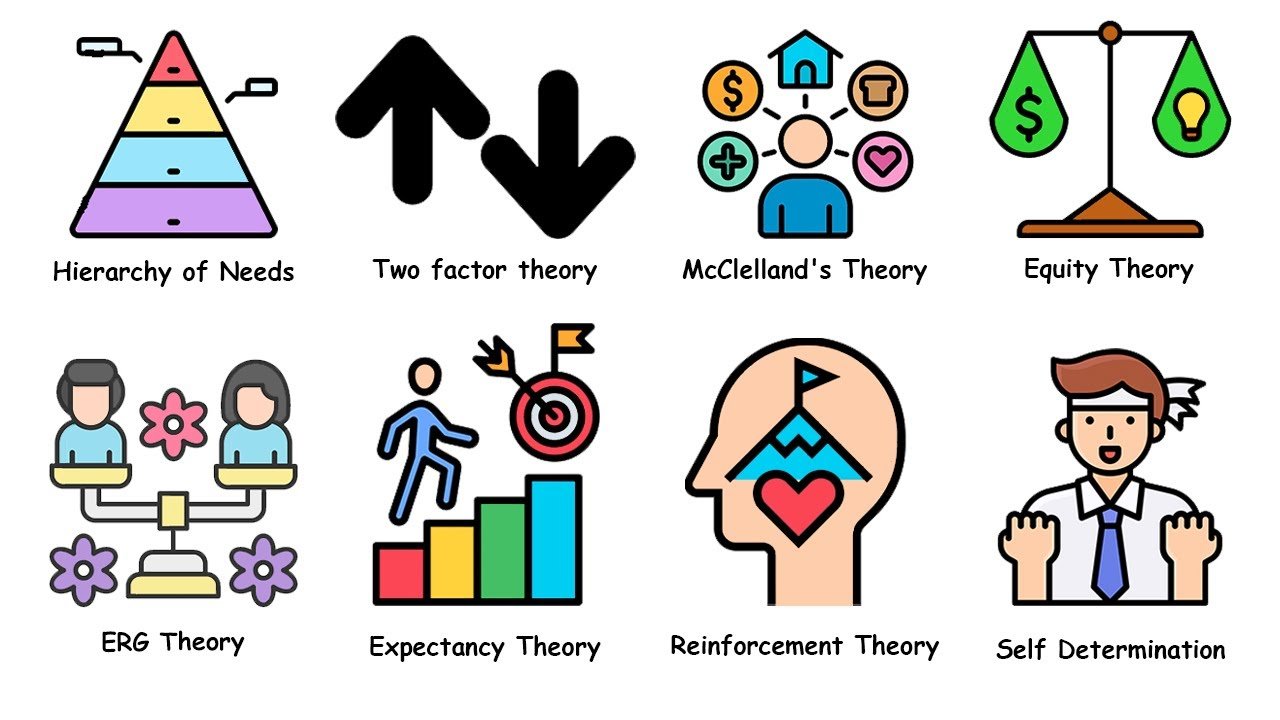
Every Motivation Theory Explained in 4 minutes
From Maslow’s hierarchy of needs to Herzberg’s two-factor theory, these theories help explain what drives us to achieve our goals and how we can improve our motivation in different areas of life, including work and personal development. Maslow’s Hierarchy of Needs Herzberg’s Two-Factor Theory McClelland’s Theory of Needs Expectancy Theory Goal-Setting Theory Self-Determination Theory Equity… read more
Written by