Tag: math education
-
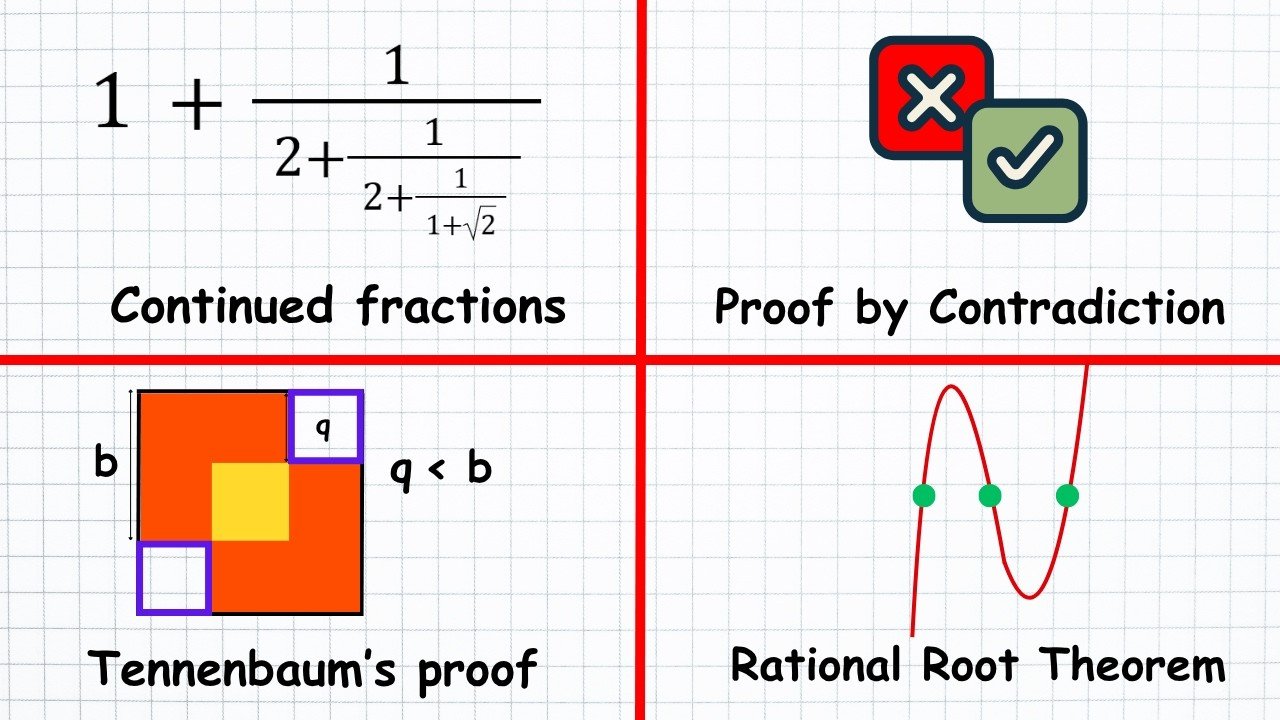
Every Proof that √2 is Irrational but they get increasingly more complex (pt. 2)
Continued Fractions Tennenbaum’s Proof Rational Root Theorem Applying the Rational Root Theorem to √2 Continued Fractions A continued fraction is one possible way to represent a number, consisting of a collection of nested fractions. Here we will focus on the case where the numerators of the fractions are all equal to one and where… read more
Written by
-
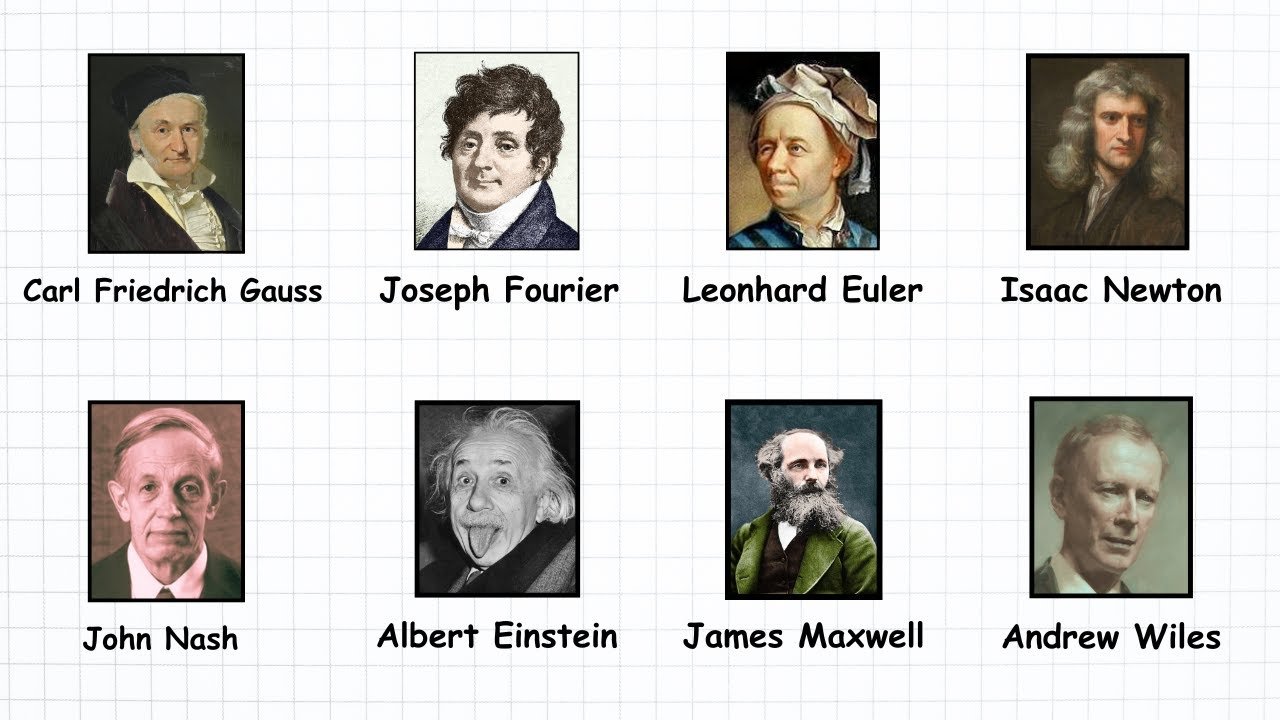
Every Math Problem that Made Someone Famous
Andrew Wiles and Fermat’s Last Theorem Carl Friedrich Gauss and the 17 Gon Joseph Fourier and Fourier Series Leonhard Euler and the Bridges of Königsberg Isaac Newton and the Law of Universal Gravitation John Nash and the Nash Equilibrium Albert Einstein and General Relativity James Clerk Maxwell and Maxwell’s Equations Further Reading Andrew Wiles and… read more
Written by
-
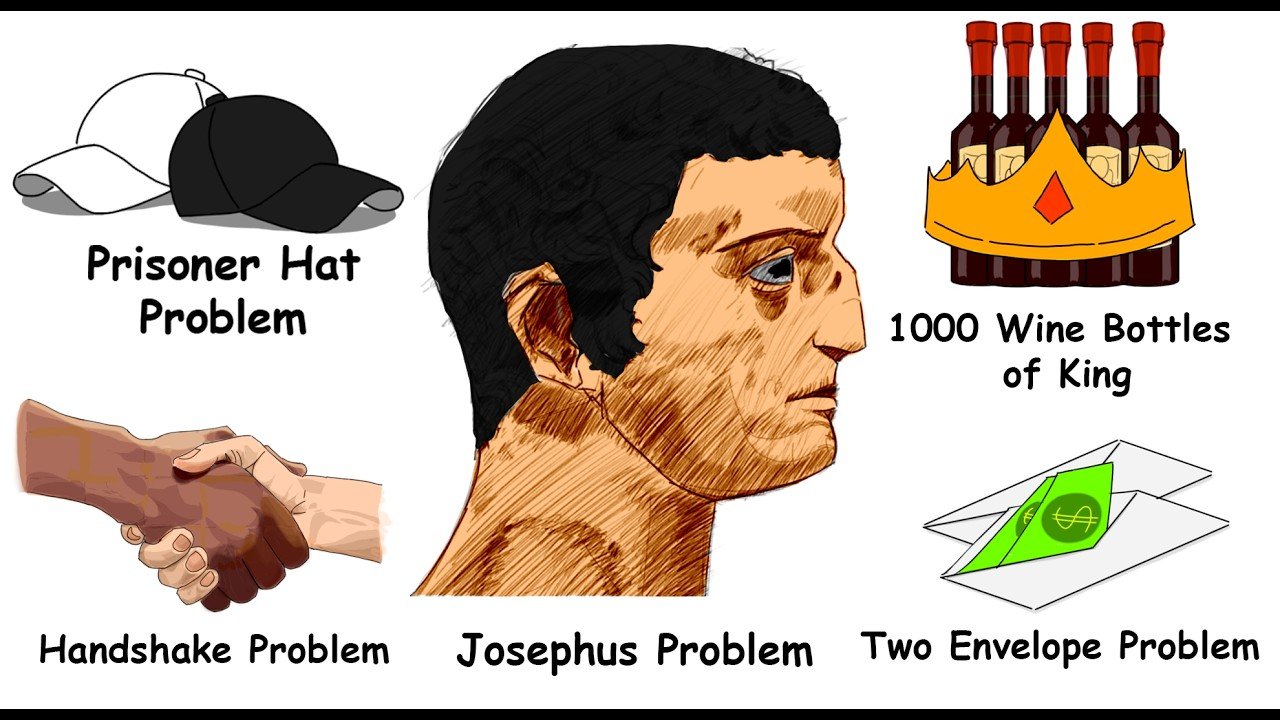
Simple Math Problems with Hard Solutions
Six Famous Math Problems That Are Harder Than They Look The Prisoner Hat Problem Ten prisoners are put to a test. If they pass, they’ll be freed. They’ll be placed in a single-file line in size order, each seeing only those ahead. Each person will wear a randomly assigned black or white hat and won’t… read more
Written by
-
Unsolved Geometry – The Kobon Triangle Problem Explained
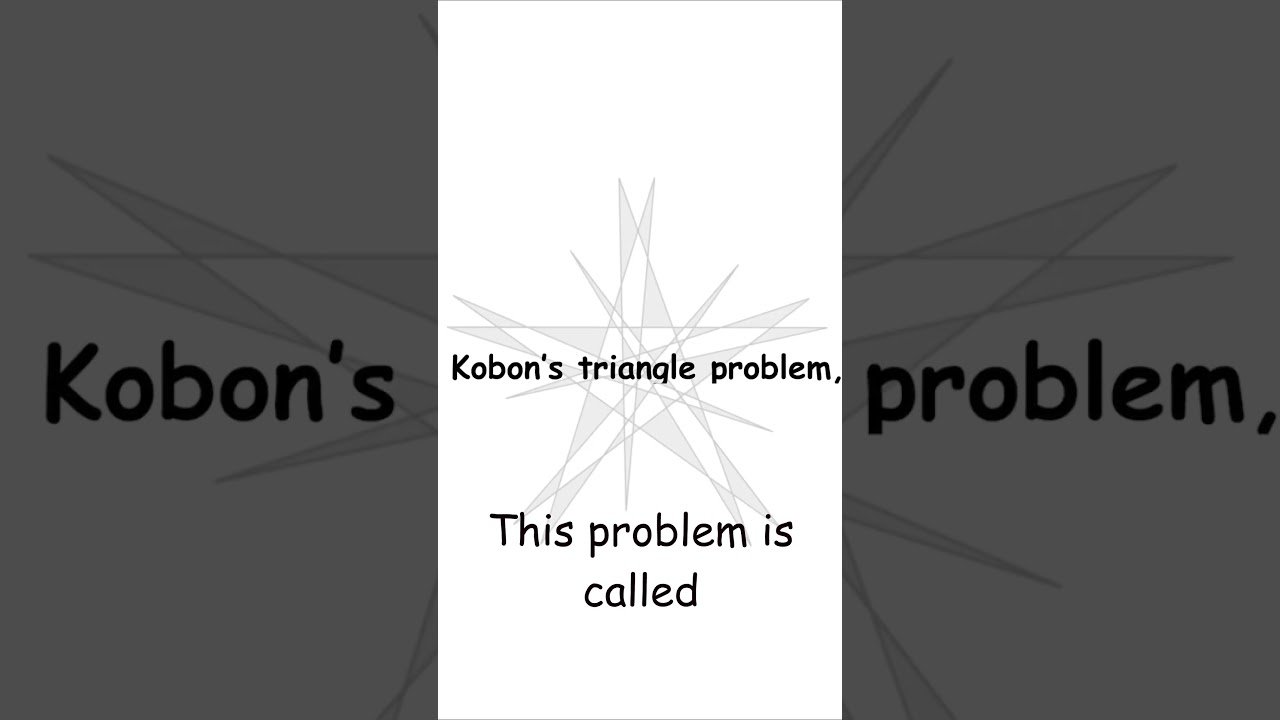
If you draw three lines (infinite lines, not line segments) in a plane, you can make them form a triangle. If you draw four lines, you can make them form a maximum of two triangles. For five lines, the maximum jumps up to five triangles. So, in general, for k lines, what is the largest… read more
Written by
-
Infinity Paradox – The Ross Littlewood Paradox Explained
The Ross-Littlewood paradox involves an infinitely large empty vase and an infinite number of balls. At each step, 10 balls are put in the vase and then one ball is taken out. Each step takes half the amount of time as the previous one, ensuring that the task is completed in a finite amount of… read more
Written by

-
Every Weird Paradox in Set Theory
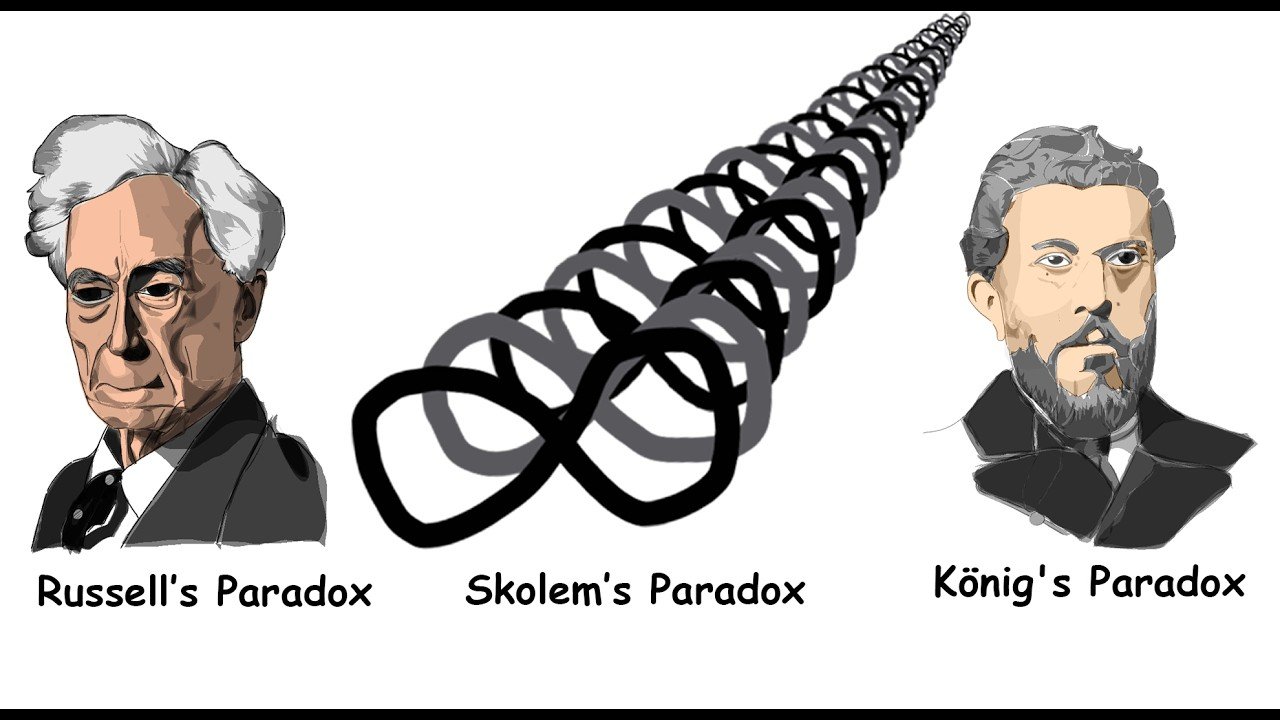
The Paradox of Enumeration Cardinality of the Continuum Russell’s Paradox König’s Paradox Richard’s Paradox Skolem’s Paradox The Paradox of Enumeration The paradox of enumeration is one of the basic problems of sets, first encountered prior to the development of modern set theory. It is related to the cardinality, or quantity of elements, of certain infinite… read more
Written by
-
Every Major Topic in Calculus Explained – Part 2
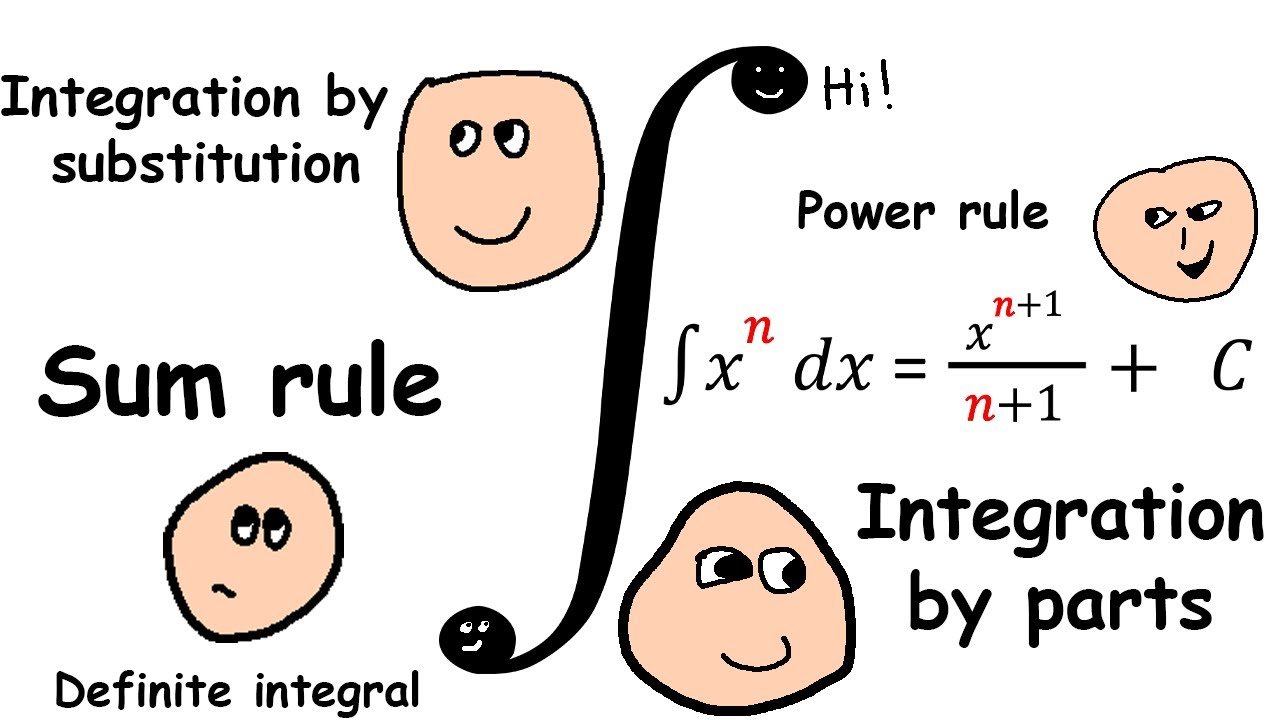
A Complete Guide to Integrals What Are Integrals? The Power Rule The Sum Rule Integration by Substitution Integration by Parts Integration by Partial Fractions Definite Integrals A Real-Life Application A Complete Guide to Integrals What Are Integrals? An integral is a mathematical operation that computes the area under a curve or the accumulation of a… read more
Written by
-
The Constant Zero Explained
Zero is a fundamental concept in mathematics that represents the absence of quantity or magnitude. It is one of the most important and widely used constants in various branches of mathematics and science. The Additive Identity Zero Across Mathematics The History and Significance of Zero The Additive Identity Zero is the additive identity, meaning that… read more
Written by
-
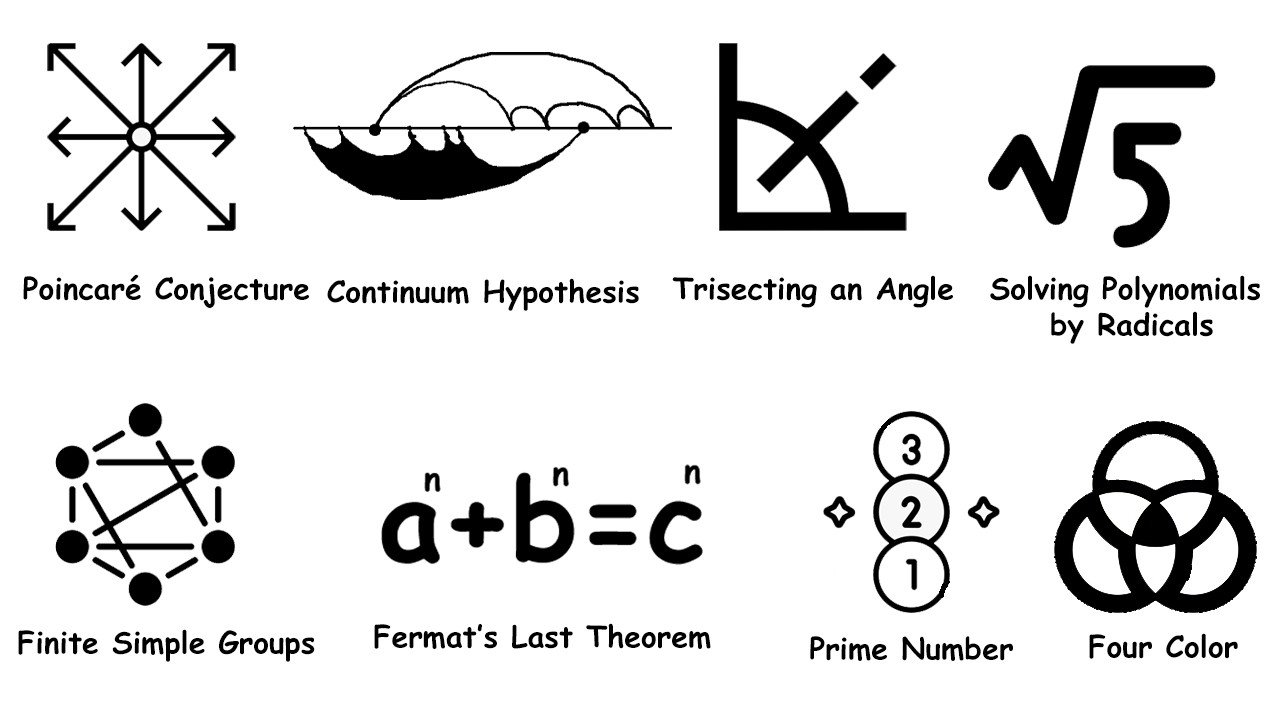
Every Unsolved Math Problem Solved
The Poincaré Conjecture Trisecting an Angle The Classification of Finite Simple Groups The Four Color Theorem The Continuum Hypothesis Fermat’s Last Theorem Gödel’s Incompleteness Theorems The Prime Number Theorem Solving Polynomials by Radicals The Poincaré Conjecture Henri Poincaré. Public domain, via Wikimedia Commons In 2000, the Clay Mathematics Institute, a nonprofit organization, offered a $1… read more
Written by
-
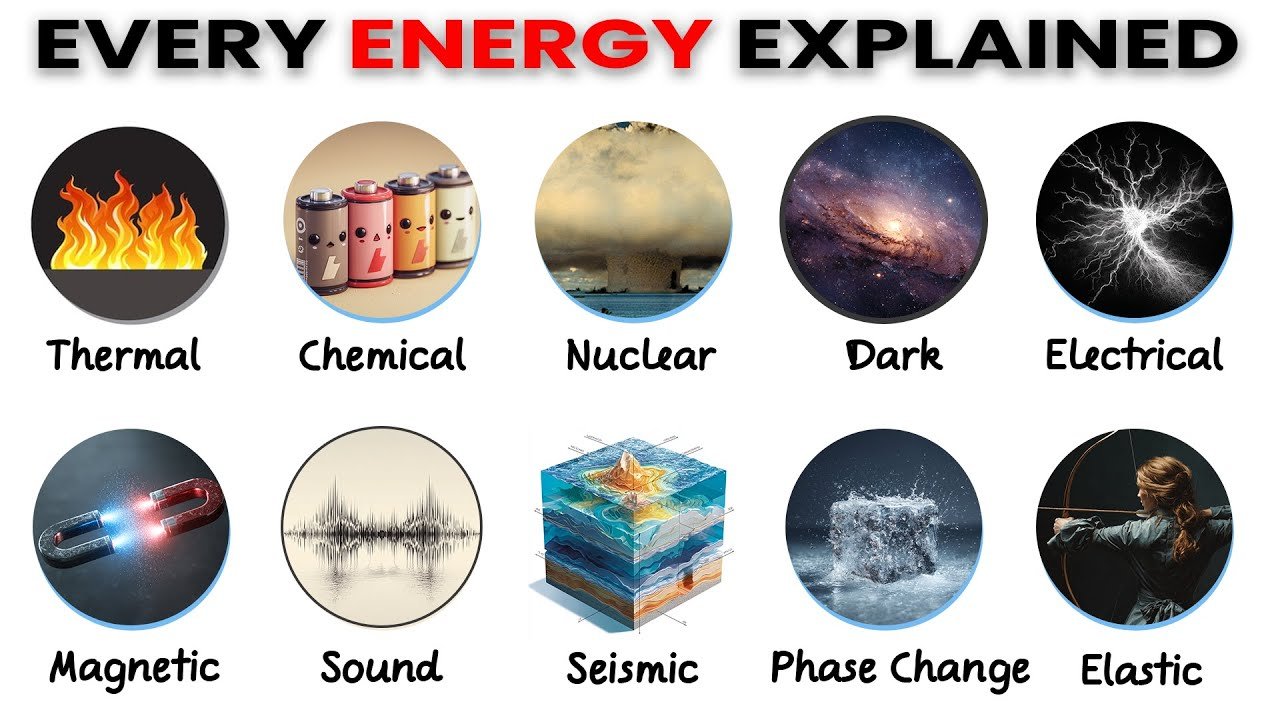
Every Form of Energy Explained
Thermal Energy Chemical Energy Nuclear Energy Electrical Energy Dark Energy Electromagnetic Energy Sound Energy Hydropower Wind Energy Geothermal Energy Solar Energy Seismic Energy Mechanical Wave Energy Magnetic Energy Phase Change Energy Gravitational Potential Energy Elastic Potential Energy The Big Picture Thermal Energy Thermal Energy. fir0002 flagstaffotos [at] gmail.com Canon 20D + Tamron 28-75mm f/2.8, GFDL… read more
Written by