
Tag: math education
-
Every Major Topic in Calculus Explained – Part 1
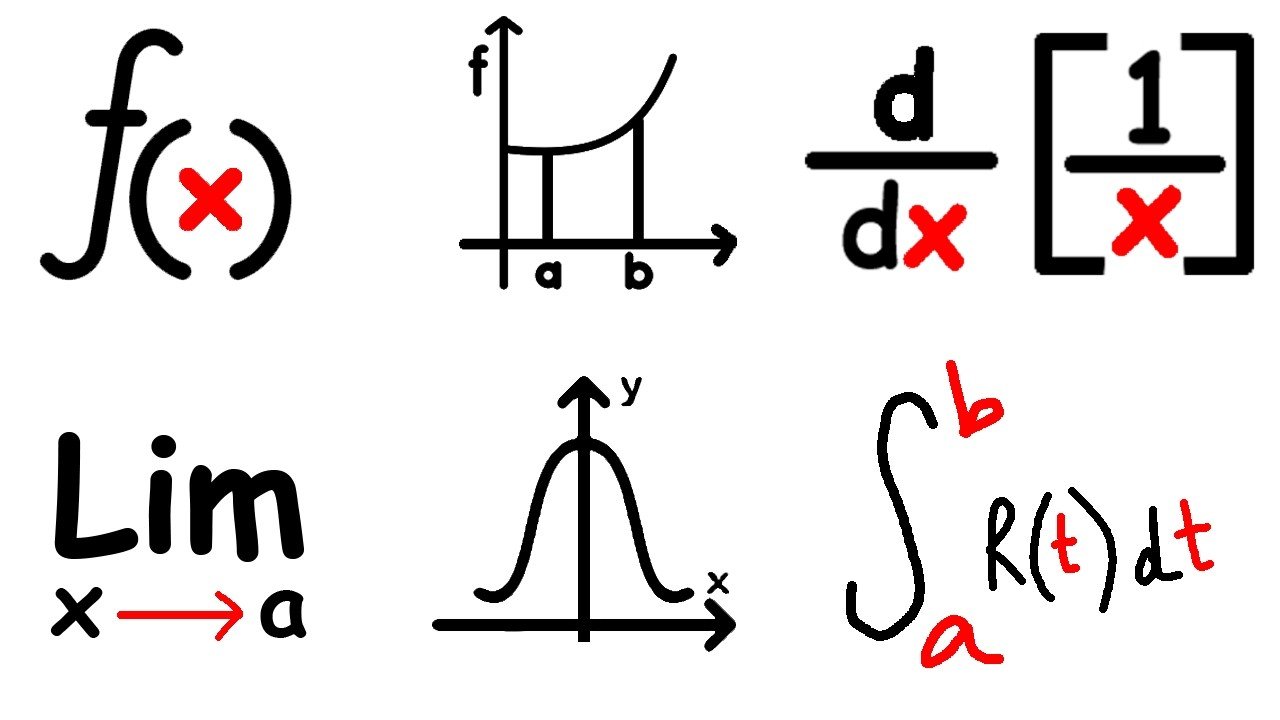
A Complete Walkthrough of Calculus What Is Calculus? Functions Limits Derivatives Derivative Rules Derivatives of All Six Trigonometric Functions A Real-Life Application of Derivatives A Complete Walkthrough of Calculus What Is Calculus? Calculus is the branch of mathematics involving the study of the continuous rate of change of quantities, particularly in the context of functions… read more
Written by
-
Every Important Graph in Math Explained
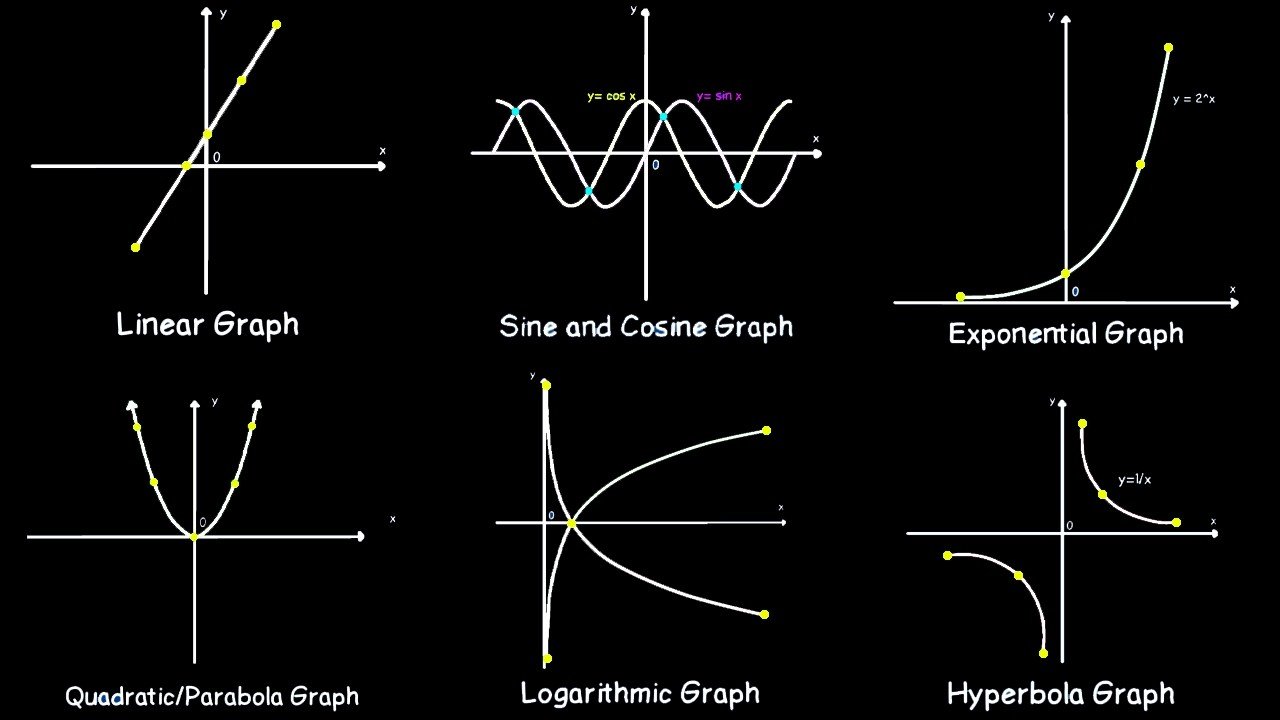
Linear Graphs Quadratic Graphs Circles Ellipses Hyperbolas Sine and Cosine Exponential Functions Logarithmic Functions Linear Graphs A linear graph is a line-shaped graph that can be written as y = mx + b. Here, m is the slope: for every one unit you go to the right, you rise by m units. And b represents… read more
Written by
-
Every Dark Scandal in Math
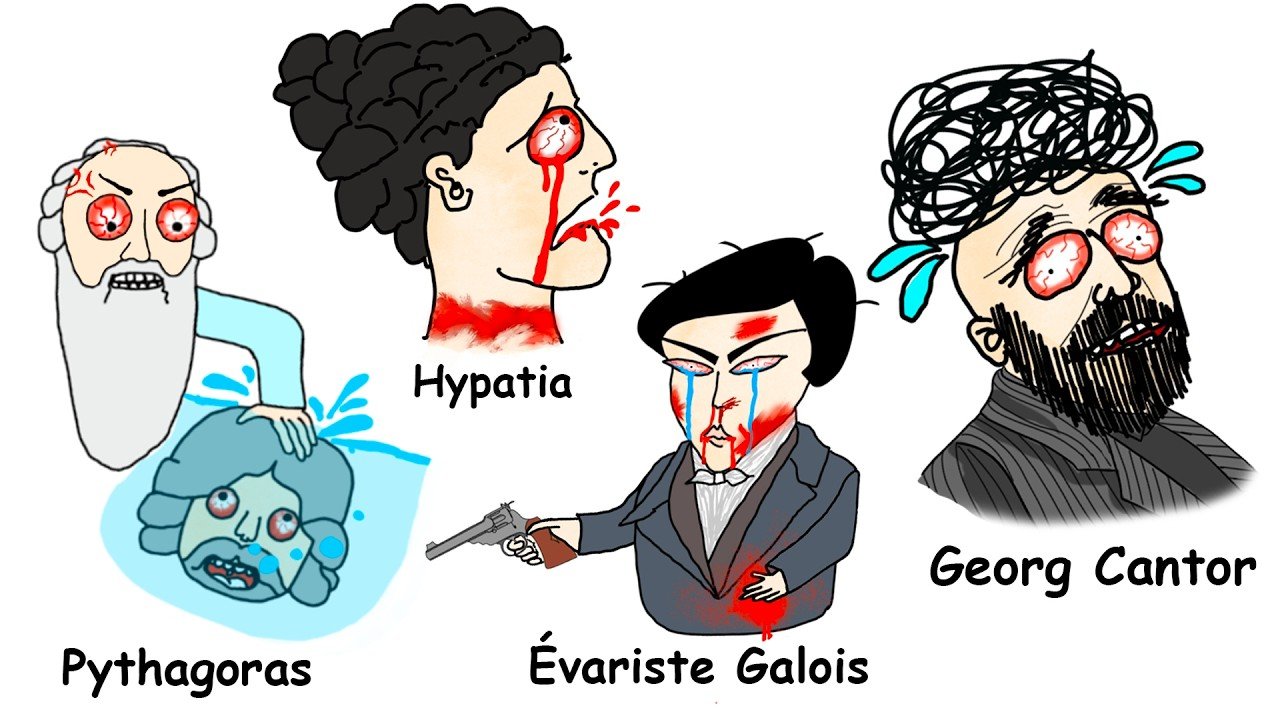
The Murder of Hypatia The Nobel Affair The Burning of the Library of Alexandria The MIT Card Counters in Las Vegas The Air Force Cheating Scandal André Bloch’s Murders P versus NP Alan Turing Newton and Leibniz’s Calculus Wars The Drowning of Hippasus Galois’s Duel and Death The Eudaemons Cardano versus Tartaglia Cantor Driven to… read more
Written by
-
Every Infinity Paradox Explained
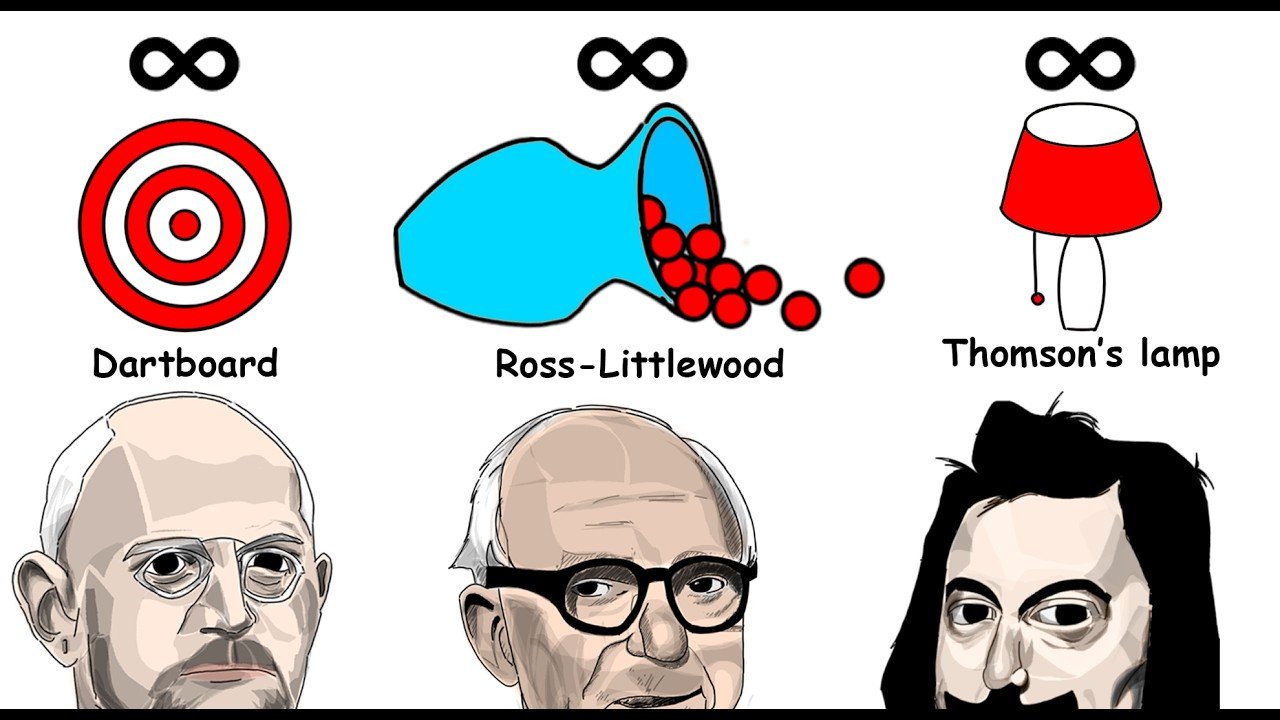
Hilbert’s Hotel Cantor’s Diagonal Argument Thompson’s Lamp Gabriel’s Horn The Ross-Littlewood Paradox The Dartboard Paradox The St. Petersburg Paradox The Riemann Series Theorem Hilbert’s Hotel Hilbert’s Hotel is a thought experiment proposed by German mathematician David Hilbert in 1925. It involves a hotel with an infinite sequence of rooms: 1, 2, 3, and so on… read more
Written by
-
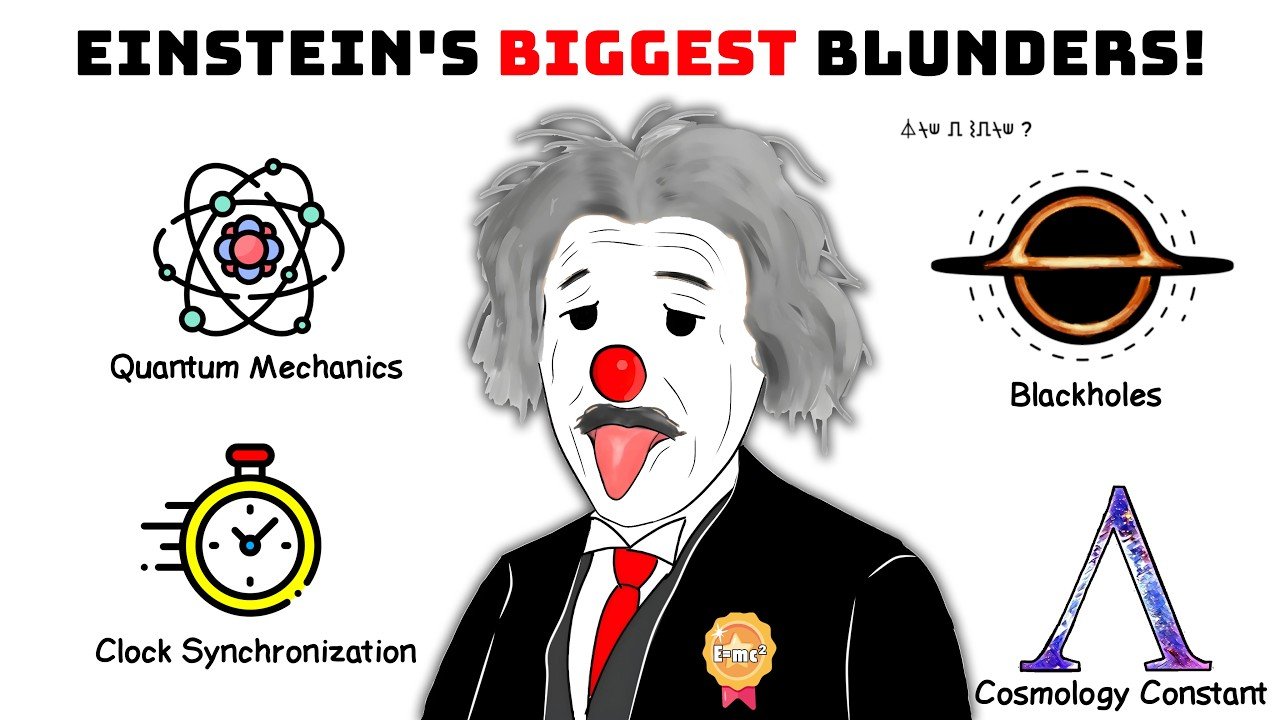
Every Blunder of Einstein
The Cosmological Constant and the Static Universe Black Holes and Singularities Clock Synchronization Gravitational Waves The Unified Theory of Everything The Equivalence Principle The Bending of Light Thermal Radiation and Quanta of Light The Einstein-de Haas Experiment Quantum Mechanics The Cosmological Constant and the Static Universe Cosmological constant. Public domain, via Wikimedia Commons When working… read more
Written by
-
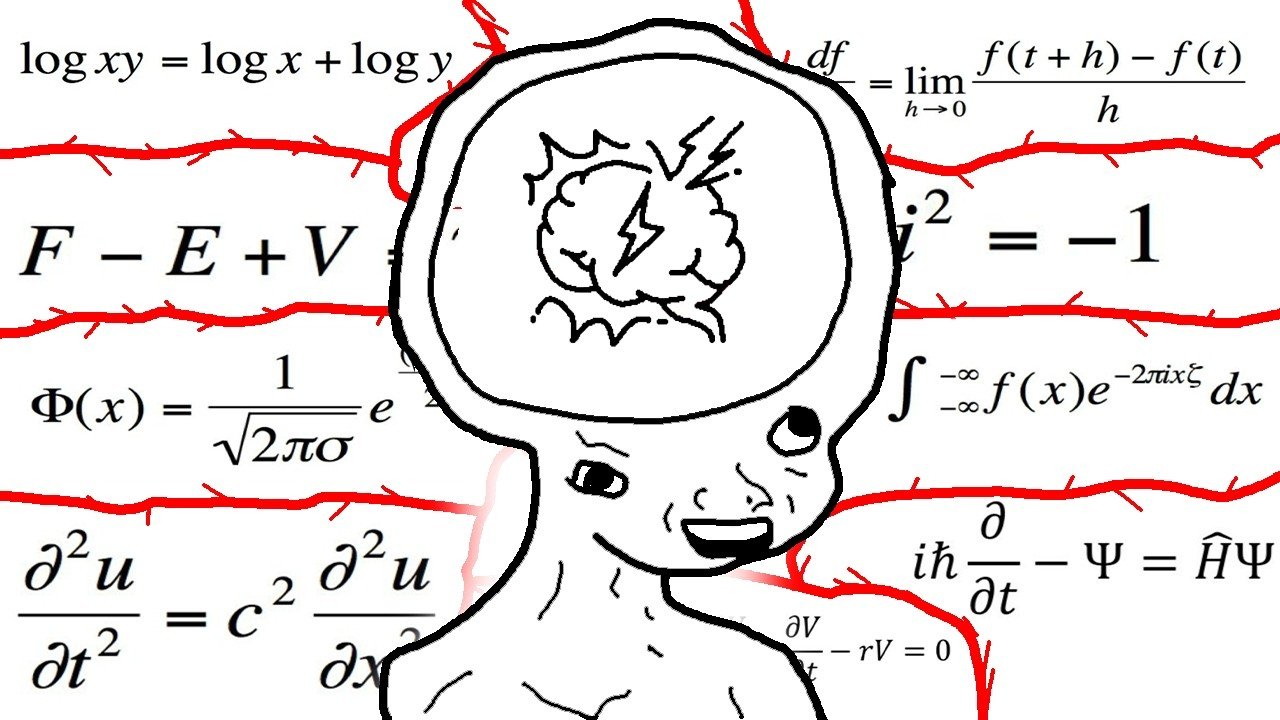
Every Equation in Math and Physics You Need to Know
Every Crucial Equation in Math and Physics Seventeen Equations That Built the Modern World The Pythagorean Theorem Logarithms Calculus The Law of Gravity The Square Root of −1 Euler’s Polyhedra Formula The Fourier Transform The Wave Equation Maxwell’s Equations The Second Law of Thermodynamics The Normal Distribution Relativity The Schrödinger Equation Heisenberg’s Uncertainty Principle The… read more
Written by
-
The First Irrational Number – Square Root of 2 Explained
√2 is a fundamental mathematical constant also known as Pythagoras’s constant. It represents the length of the diagonal of a square with side length 1: √2 ≈ 1.41421… This special number was first studied in depth by the ancient Greek mathematician Pythagoras and his followers. Why Is √2 Important? Where Else Does √2 Appear? Why… read more
Written by
-
γ, the Euler–Mascheroni Constant Explained
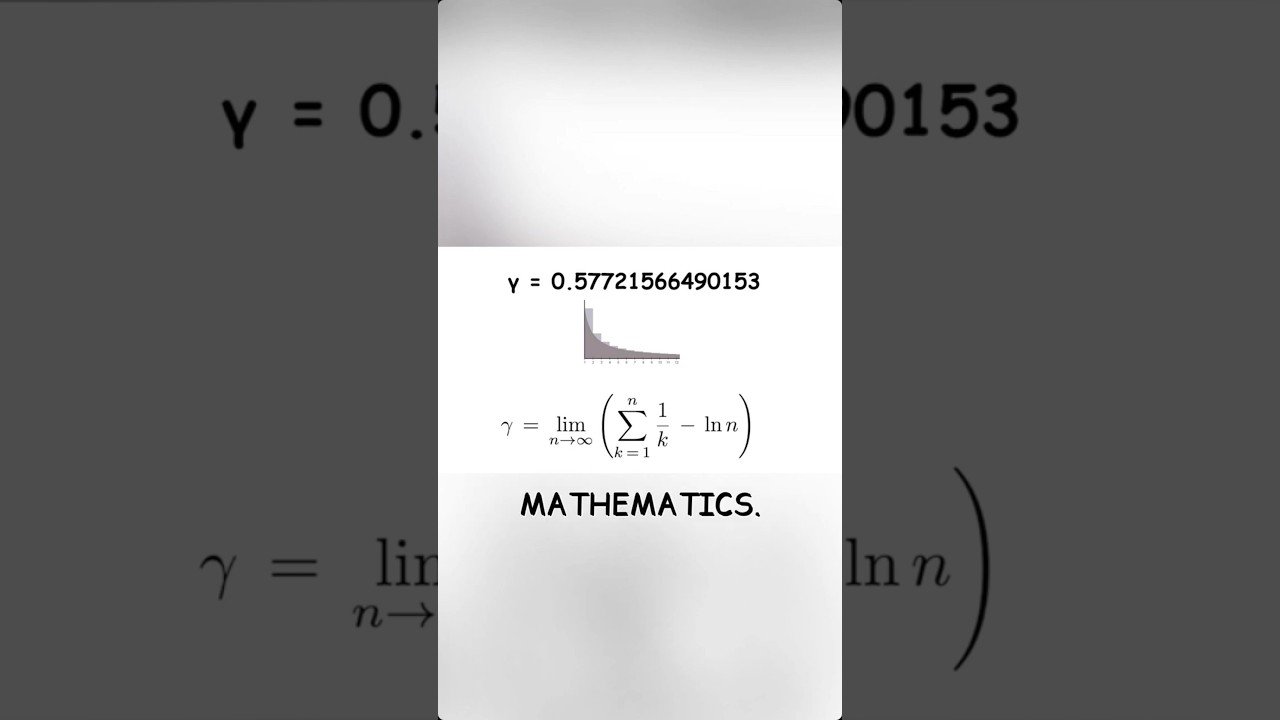
The Euler–Mascheroni constant, denoted by γ (gamma), is approximately equal to: γ ≈ 0.57721… This constant appears in various areas of mathematics, especially in number theory and analysis. It is defined as the limiting difference between the harmonic series and the natural logarithm: γ = lim(n→∞) (1 + 1/2 + 1/3 + … + 1/n… read more
Written by
-
Every Weird Math Paradox Explained – Part 2
Simpson’s Paradox The Monty Hall Problem The Sleeping Beauty Problem Cantor’s Paradox The Ant on a Stretching Rope Berry’s Paradox The Absent-Minded Driver Hooper’s Paradox Bertrand’s Paradox Simpson’s Paradox Simpson’s Paradox is often presented as a compelling demonstration of why we need statistics education in our schools. It was first noted by Edward H. Simpson… read more
Written by

-
Why √3 Is One of Math’s Most Useful Numbers
Theodorus’s constant refers to √3, which was studied by the ancient Greek mathematician Theodorus of Cyrene. Theodorus proved that the square roots of numbers that are not perfect squares, such as √3, are irrational numbers. √3 ≈ 1.73205… Its decimal representation extends infinitely without repeating. read more
Written by