Tag: youtube
-
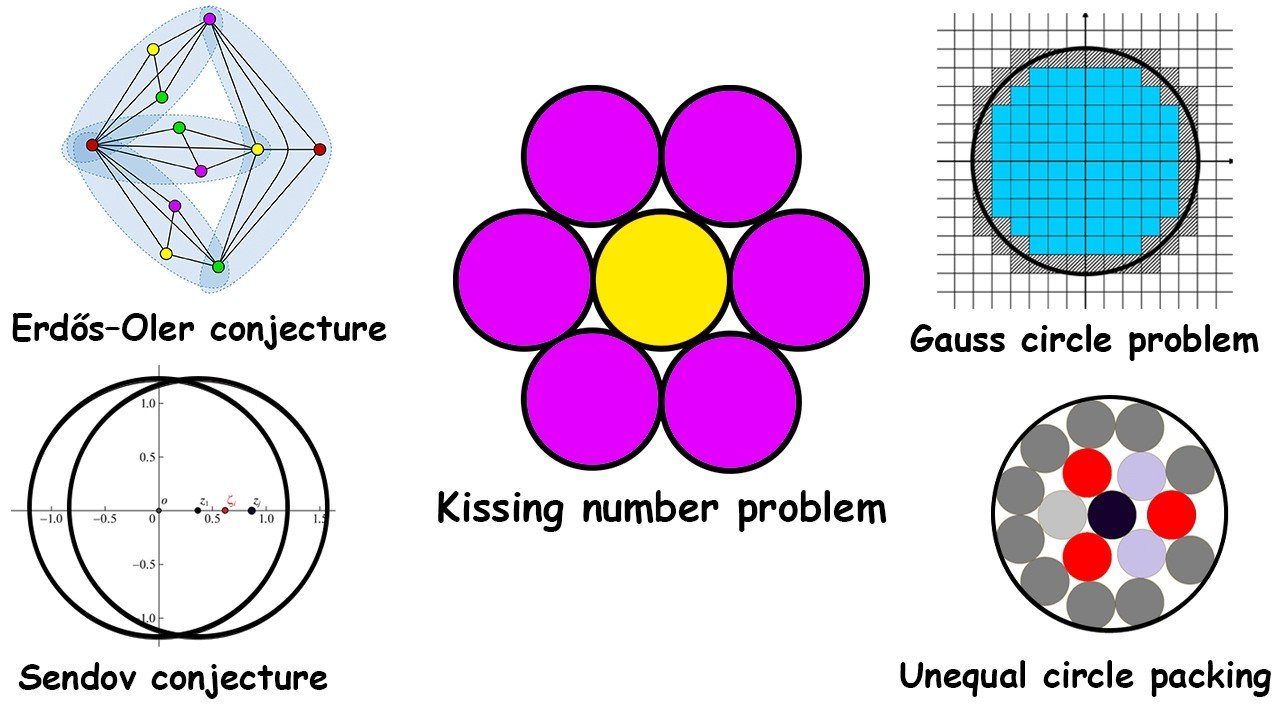
Every Unsolved Circle Problem that Sounds Easy
Five Circle Problems That Are Way Harder Than They Look The Erdős-Oler Conjecture The Gauss Circle Problem The Kissing Number Problem Unequal Circle Packing Sendov’s Conjecture The Erdős-Oler Conjecture A unit circle is a circle whose radius (the distance from the center to the edge) is 1. An equilateral triangle is a triangle where… read more
Written by
-
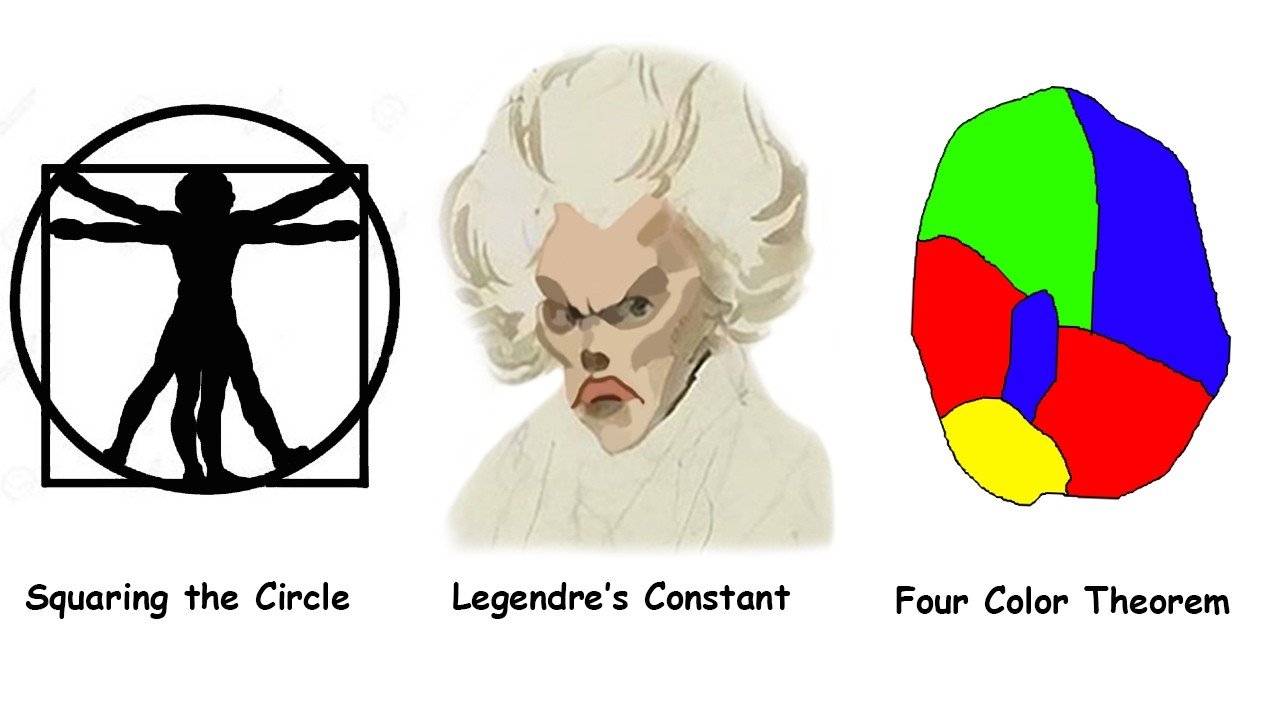
Unsolved Math Problems That Took Centuries to Solve
Famous Math Problems That Took Centuries to Solve Squaring the Circle Euler’s Sum of Powers Conjecture The Four Color Map Theorem Legendre’s Constant Fermat’s Last Theorem Squaring the Circle We begin with a sheet of paper, a pencil, and only two other tools. The first is a straight edge, a ruler with no markings that… read more
Written by
-
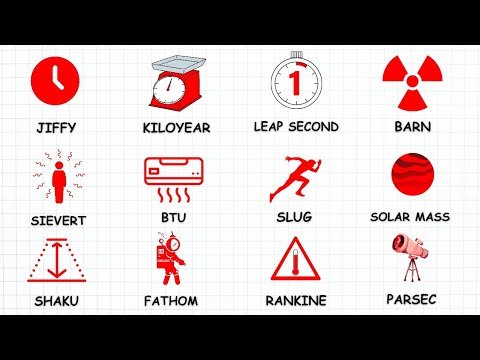
The Strangest Units of Measurement Still Used Today
Little-Known Scientific Units That Are Still Surprisingly Useful Units of Time Units in Nuclear Physics, Radiation, and Thermal Energy Units of Mass Units of Length Temperature and Astronomical Units Why These Units Stick Around Further reading Little-Known Scientific Units That Are Still Surprisingly Useful There are little-known units of time that still have relevant technical… read more
Written by
-
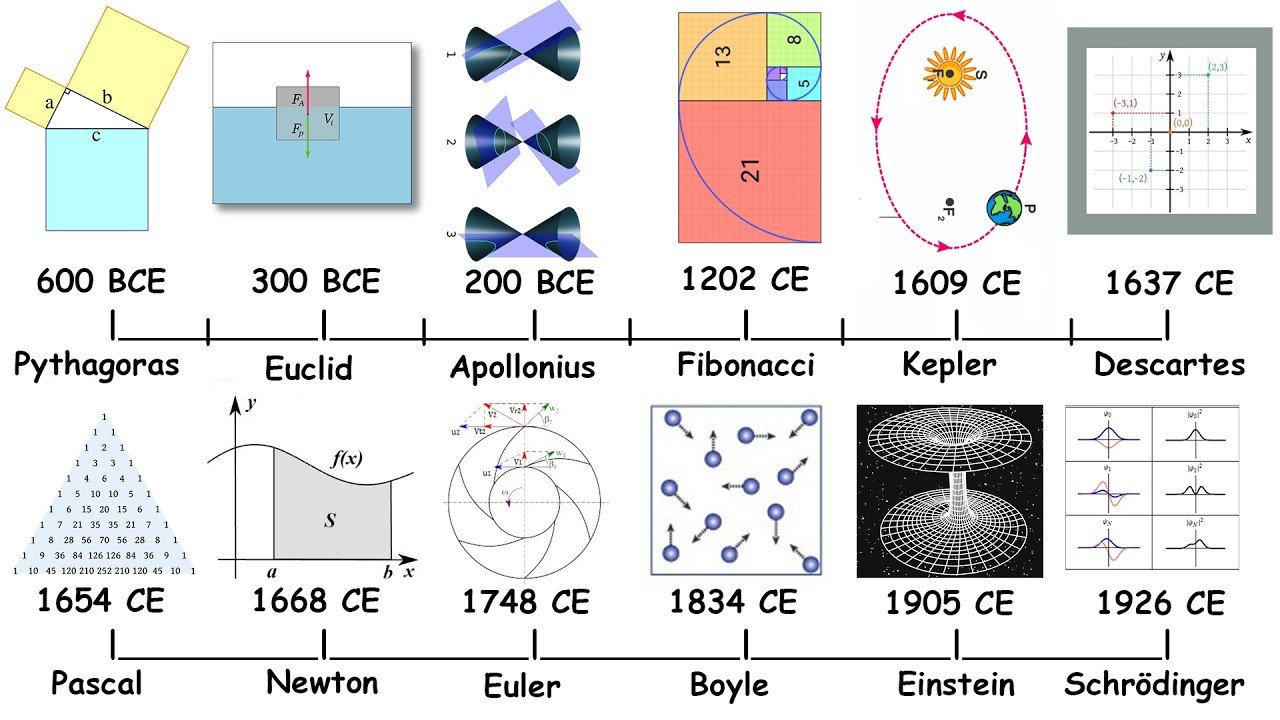
Every Equation That Changed History Explained
Timeline of Equations That Changed the World 6th Century BC: Thales’ Theorem 6th Century BC: Pythagorean Theorem 300 BC: Euclid’s Theorem 250 BC: Archimedes’ Principle of Flotation 200 BC: Conic Sections First Century AD: Heron’s Formula 1202: Fibonacci Sequence 1609: Kepler’s Laws of Planetary Motion 1614: Logarithms 1637: Cartesian Plane 1637: Fermat’s Last Theorem 1654:… read more
Written by
-
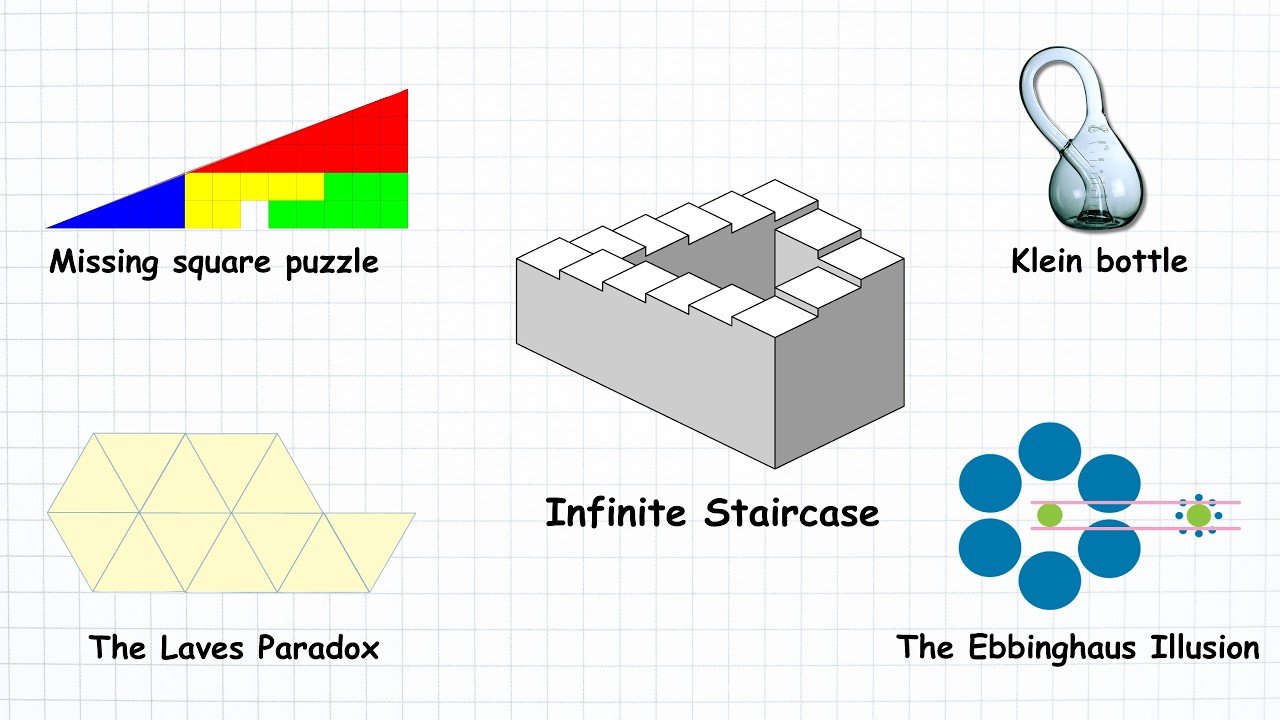
Every Geometry Paradox That Shouldn’t Be Possible
The Missing Square Puzzle The Laves Paradox The Ebbinghaus Illusion The Klein Bottle The Penrose Stairs The Missing Square Puzzle The triangle puzzle with the missing square is one of the most well-known examples where geometric intuition fails. At first glance, the problem seems simple. Two triangular figures are composed of the same four geometric… read more
Written by
-
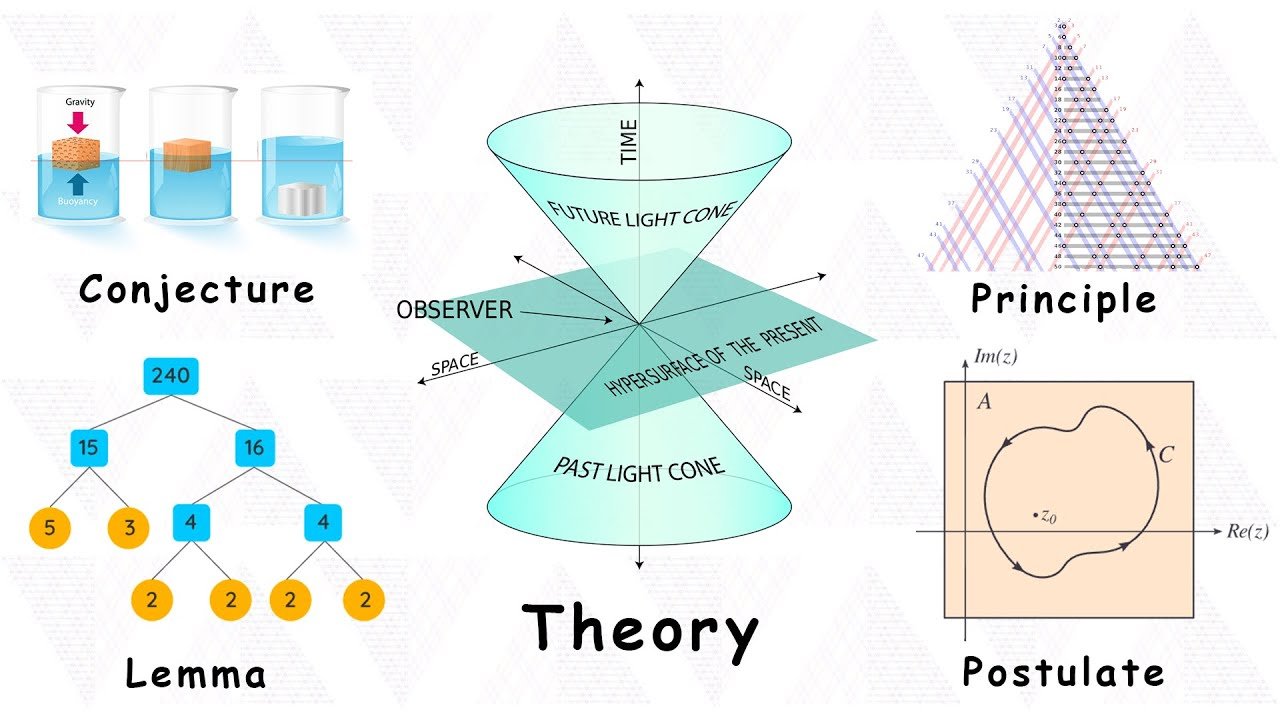
Every Core Math Concept Explained
Terminological precision in mathematics is not a mere formality but has profound consequences for the logical structure and understanding of mathematical theories. In the mathematical and scientific field, the concepts of principles and laws play a fundamental role in the formulation of knowledge. Although both terms are often used interchangeably in everyday language, in the… read more
Written by
-
Every Unsolved Problem in Discrete Mathematics that sounds Easy
The Riemann Hypothesis The Navier-Stokes Problem The P versus NP Problem The Collatz Conjecture The Goldbach Conjecture The Riemann Hypothesis The Riemann hypothesis is one of the unsolved cornerstones of analytic number theory. Formulated by Bernhard Riemann in 1859, it states that all non-trivial zeros of the Riemann zeta function, denoted ζ(s), have a real… read more
Written by
-
Actually Romans were Good at Math
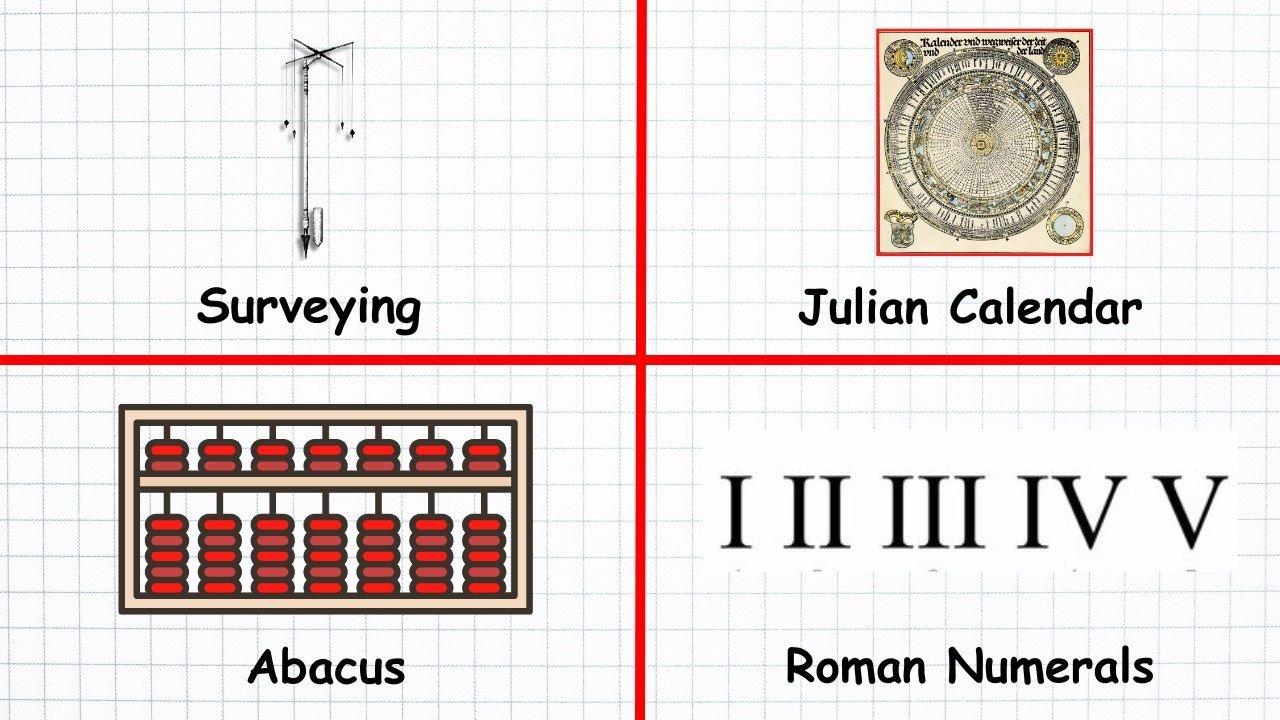
Every Math Discovery in Ancient Rome Surveying and Geometry The Centuriation System Roman Numerals The Roman Abacus The Julian Calendar Rome’s Mathematical Legacy Surveying and Geometry Today, the remains of various Roman cities and settlements lie scattered across three major continents and stand as a testament to the power this civilization once possessed. From the… read more
Written by
-
Every Proof that √2 is Irrational but they get increasingly more complex (pt. 2)
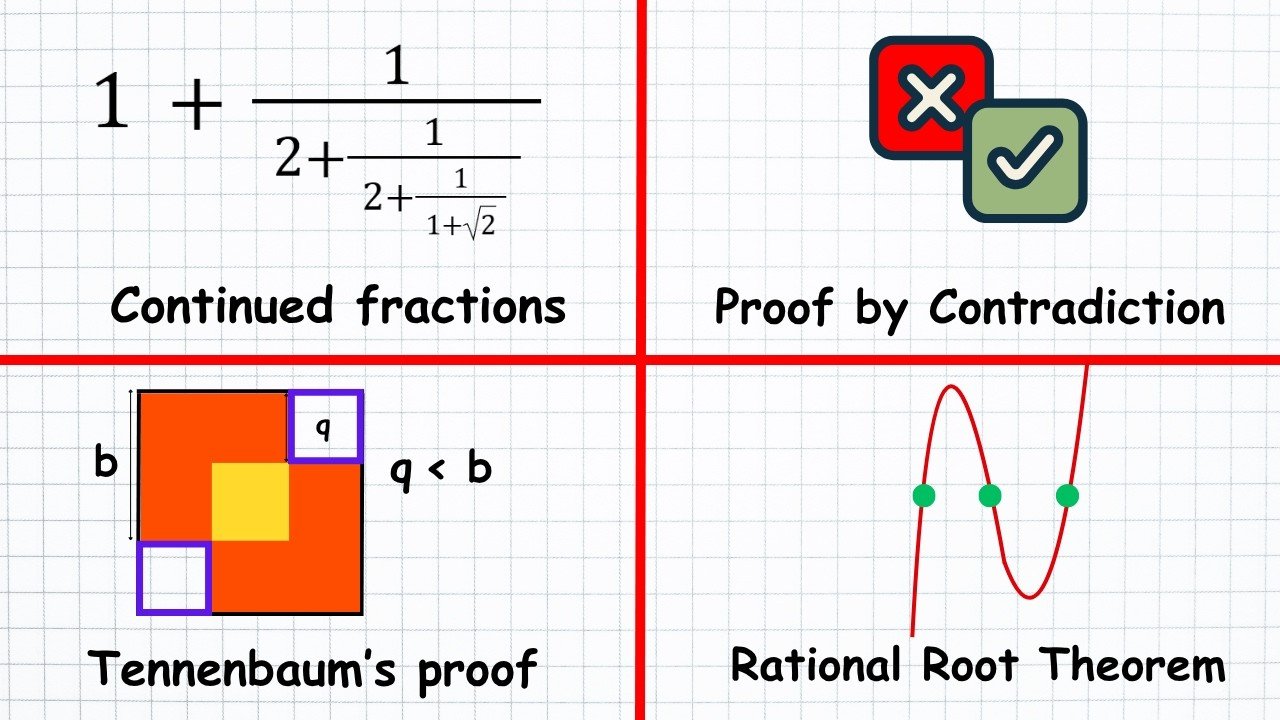
Continued Fractions Tennenbaum’s Proof Rational Root Theorem Applying the Rational Root Theorem to √2 Continued Fractions A continued fraction is one possible way to represent a number, consisting of a collection of nested fractions. Here we will focus on the case where the numerators of the fractions are all equal to one and where… read more
Written by
-
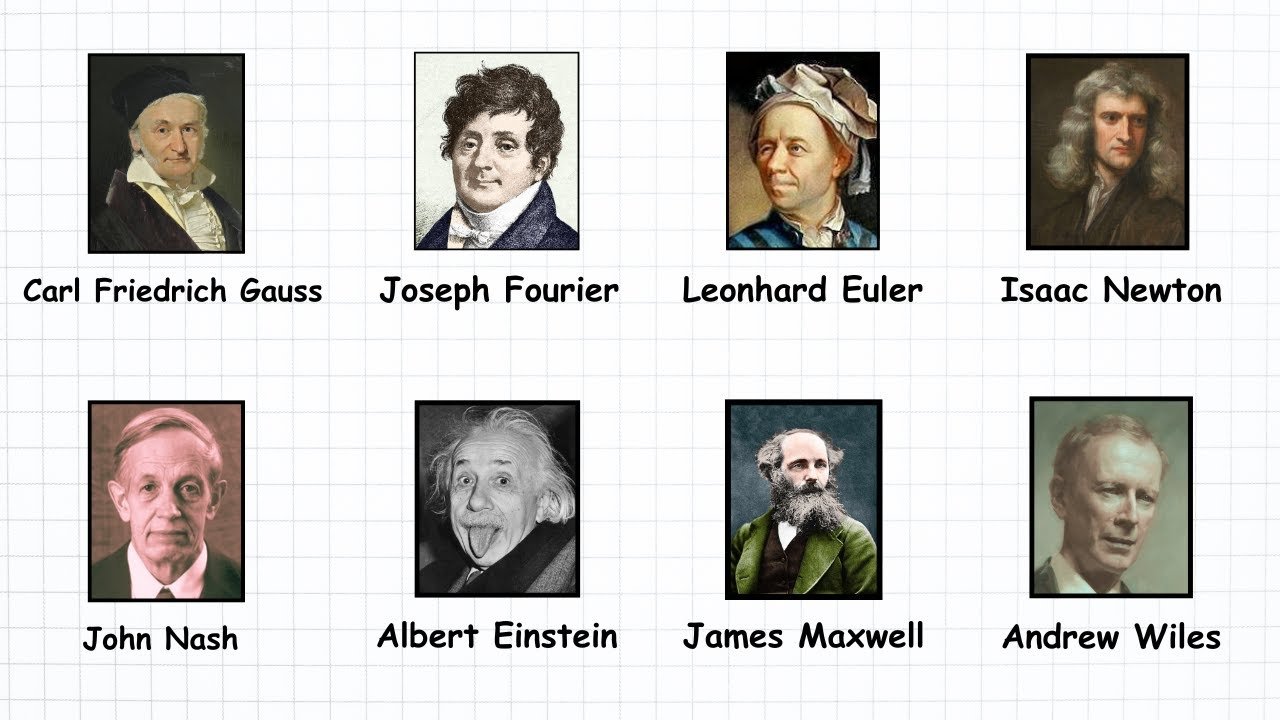
Every Math Problem that Made Someone Famous
Andrew Wiles and Fermat’s Last Theorem Carl Friedrich Gauss and the 17 Gon Joseph Fourier and Fourier Series Leonhard Euler and the Bridges of Königsberg Isaac Newton and the Law of Universal Gravitation John Nash and the Nash Equilibrium Albert Einstein and General Relativity James Clerk Maxwell and Maxwell’s Equations Further Reading Andrew Wiles and… read more
Written by