Category: YouTube Shorts
-
The Golden Ratio Explained
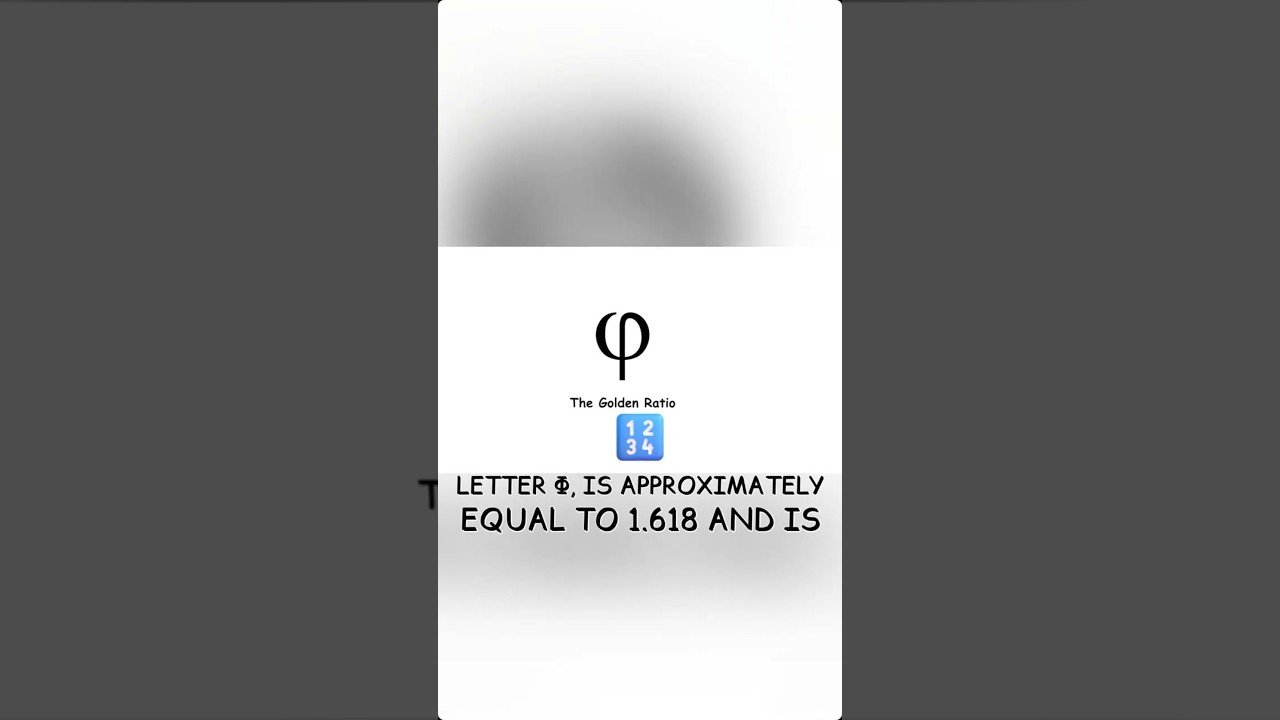
The Golden Ratio: Nature’s Perfect Proportion The Golden Ratio in Nature The Golden Ratio in Art and Design A Number That Never Ends The golden ratio, represented by the Greek letter φ (phi), is approximately equal to: φ ≈ 1.61803… It is defined as a ratio where the ratio of the whole to the larger… read more
Written by
-
The Series Rearrangement Paradox
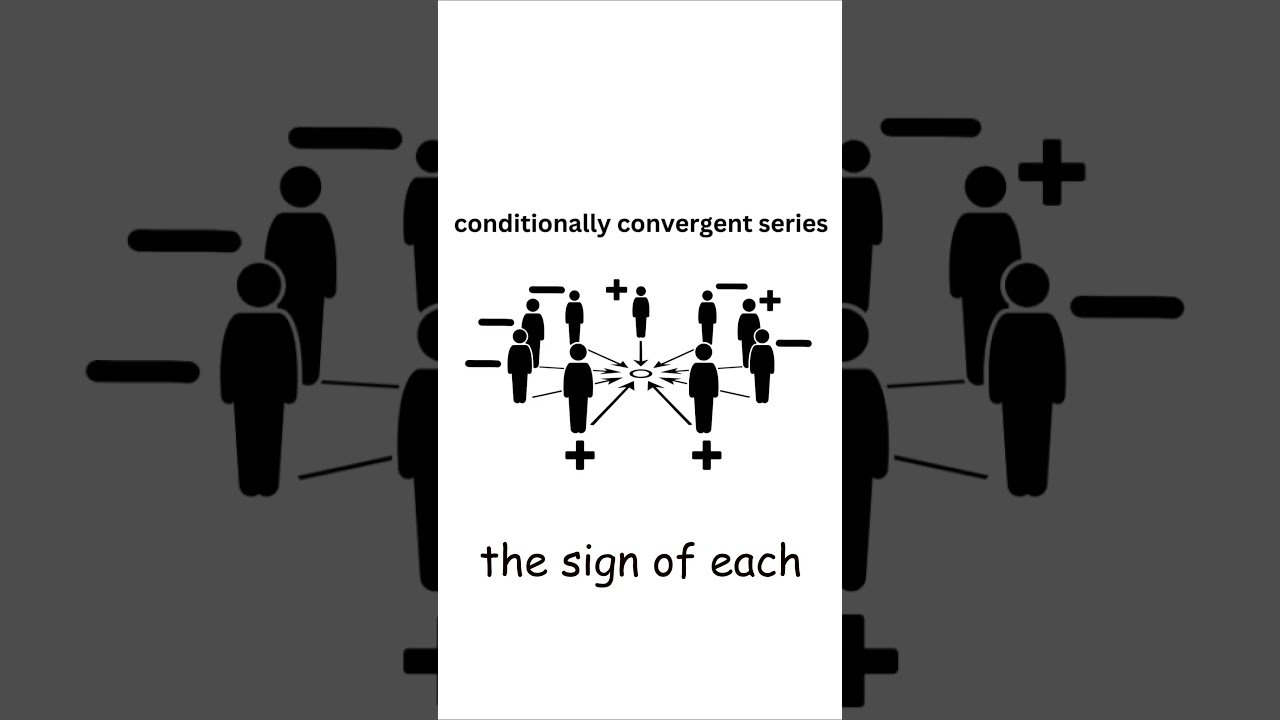
The Riemann Series Theorem The Key Idea Why Does This Matter? The Riemann Series Theorem The Riemann series theorem, named for and rigorously proved by German mathematician Bernhard Riemann, involves conditionally convergent series. A conditionally convergent series is one that converges only under the condition that the sign of each term is taken into account.… read more
Written by
-
Fractal Dimensions Explained
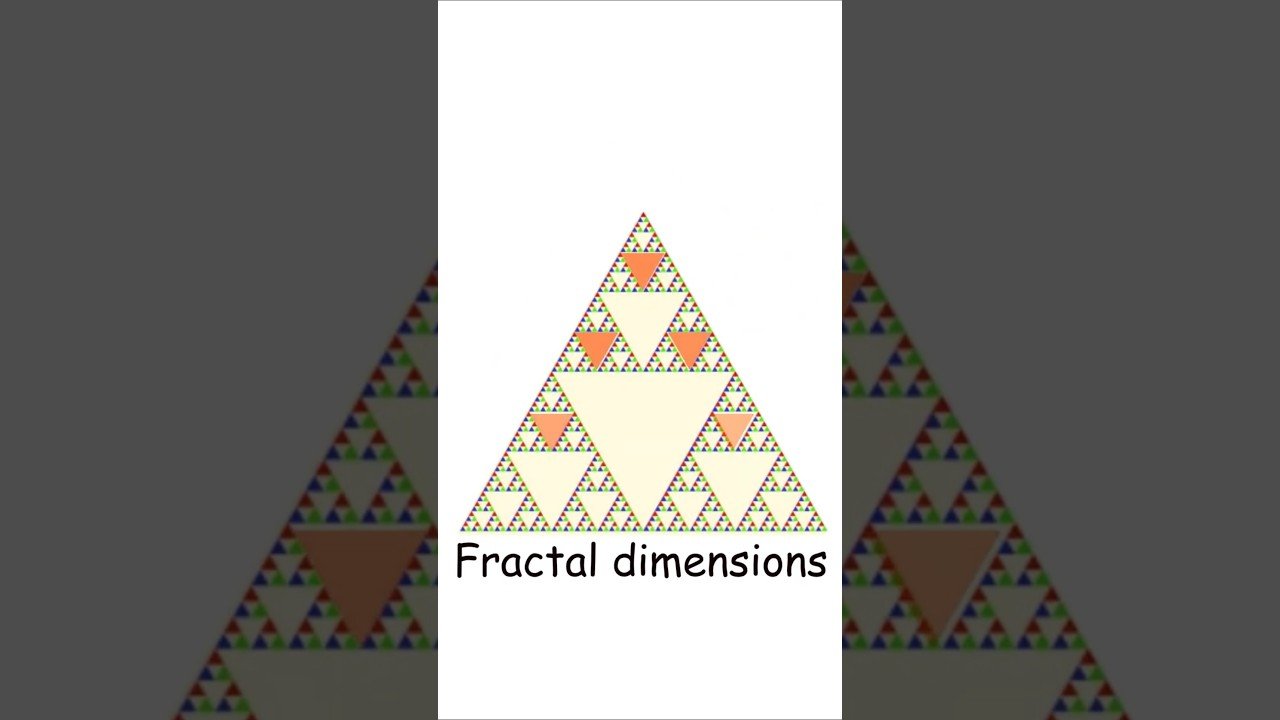
Fractals introduced the idea of non-integer dimensions, also called fractional dimensions. These are used to measure the complexity of objects that display self-similarity, meaning patterns that repeat at different scales. The Koch Snowflake Mandelbrot and Fractal Geometry Where Do Fractional Dimensions Appear? The Koch Snowflake A famous example is the Koch snowflake, where each line… read more
Written by
-
The Math Constant Unknown until 1934 – Khinchin’s Constant Explained
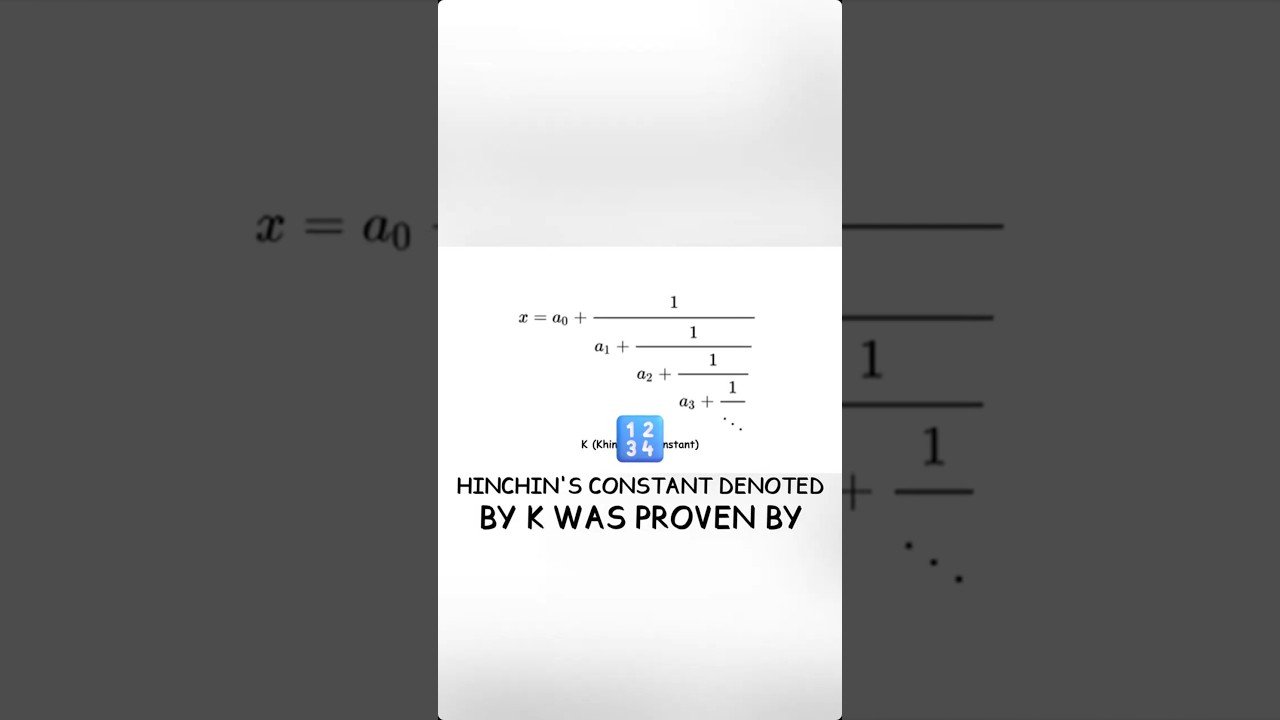
Khinchin’s constant, denoted by K, was proven by the Russian mathematician Alexander Khinchin in 1934. Definition Open Questions Why Is This So Remarkable? Definition Let x be a real number with a continued fraction expansion where a₀ is an integer and a₁, a₂, a₃, … are positive integers (the partial denominators). Khinchin proved that for… read more
Written by
-
The Infinite Circles Fractal – Apollonian Gasket Explained
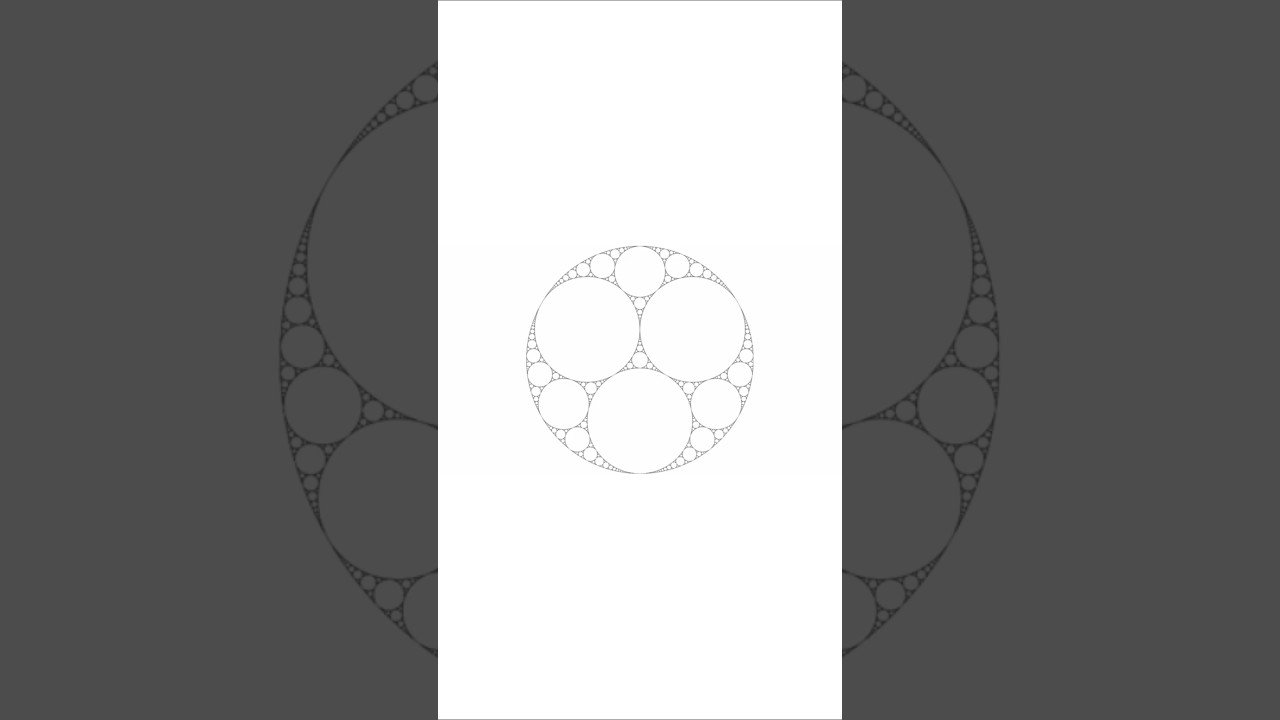
Let’s start by drawing a circle named C₁. Draw a second circle, C₂, that touches C₁ at just one point. Now draw a third circle, C₃, that is tangent to both C₁ and C₂. With these three circles in place, we can always draw exactly two more circles that are tangent to all three. Let’s… read more
Written by
-
The Game With Infinite Expected Value – The St Petersburg Paradox Explained
Imagine a game beginning with a stake of $2. The stake is the amount the player will be paid at the end. The player flips a coin, and if it lands on tails, the stake doubles. Otherwise, the game ends and the player collects the stake. Calculating the Expected Value The Paradox Why Don’t People… read more
Written by

-
Unsolved Geometry – The Kobon Triangle Problem Explained
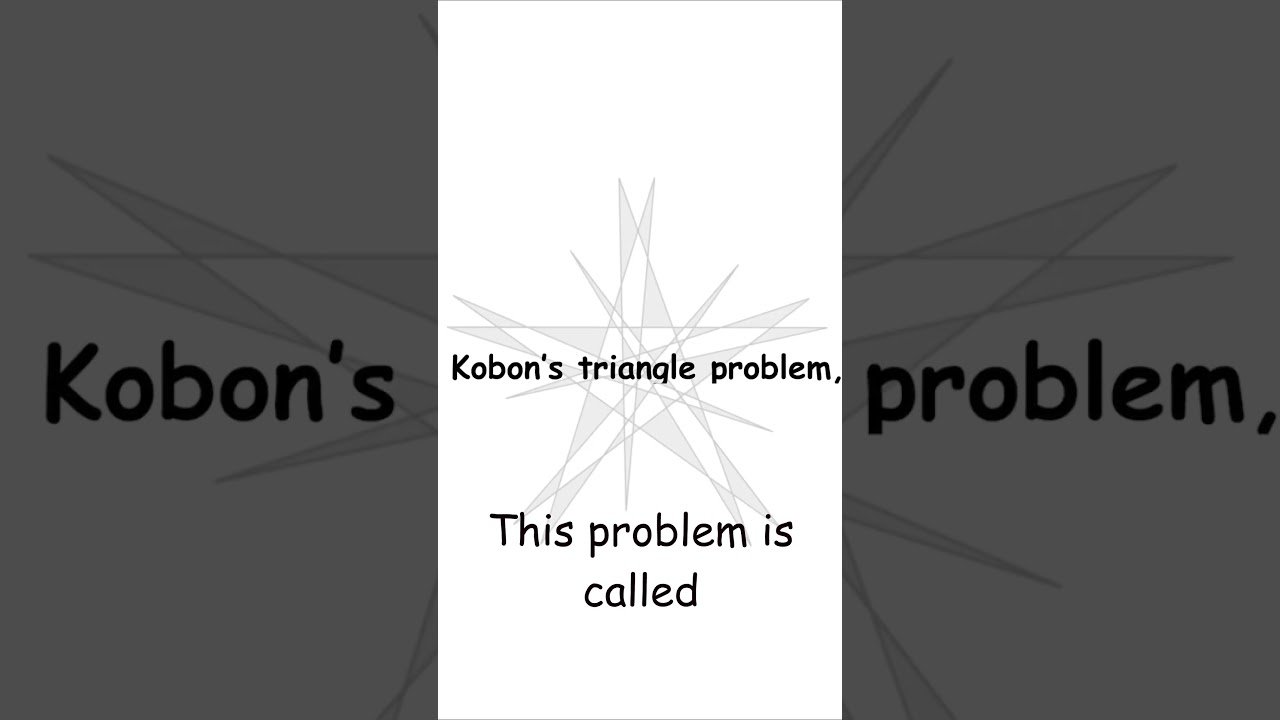
If you draw three lines (infinite lines, not line segments) in a plane, you can make them form a triangle. If you draw four lines, you can make them form a maximum of two triangles. For five lines, the maximum jumps up to five triangles. So, in general, for k lines, what is the largest… read more
Written by
-
Infinity Paradox – The Ross Littlewood Paradox Explained
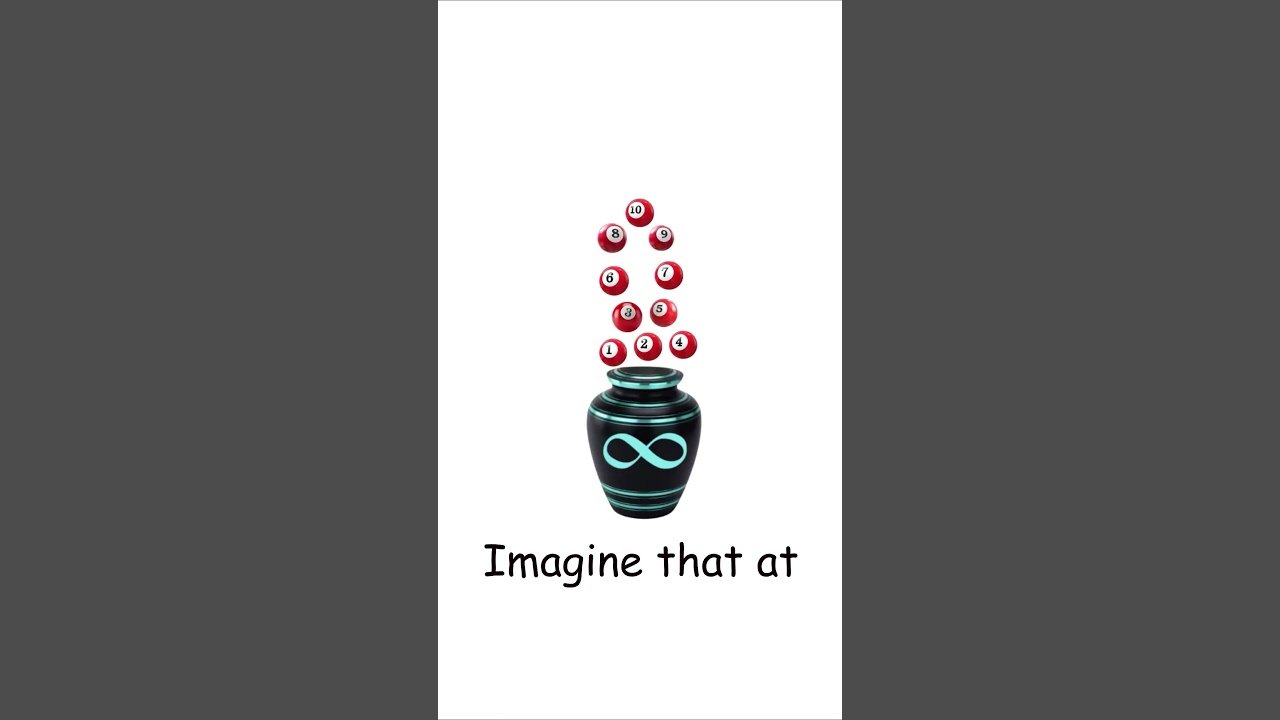
The Ross-Littlewood paradox involves an infinitely large empty vase and an infinite number of balls. At each step, 10 balls are put in the vase and then one ball is taken out. Each step takes half the amount of time as the previous one, ensuring that the task is completed in a finite amount of… read more
Written by
-
The Constant Zero Explained
Zero is a fundamental concept in mathematics that represents the absence of quantity or magnitude. It is one of the most important and widely used constants in various branches of mathematics and science. The Additive Identity Zero Across Mathematics The History and Significance of Zero The Additive Identity Zero is the additive identity, meaning that… read more
Written by
-
The First Irrational Number – Square Root of 2 Explained
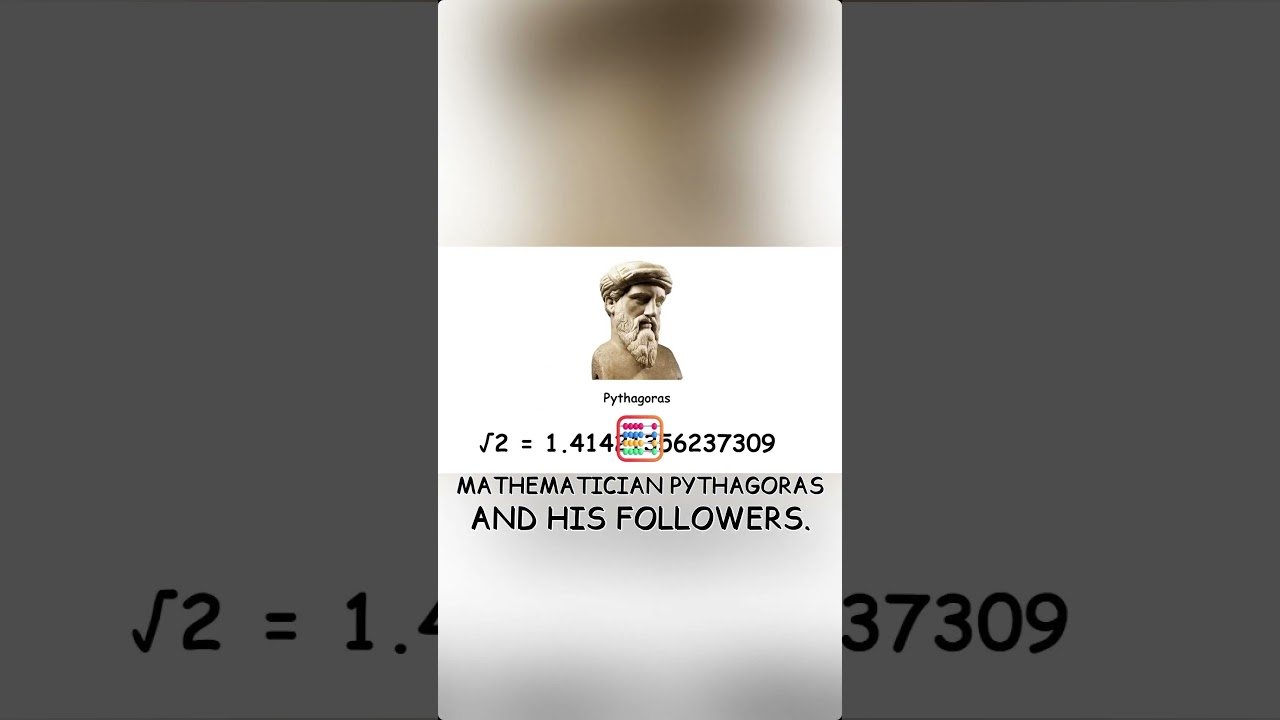
√2 is a fundamental mathematical constant also known as Pythagoras’s constant. It represents the length of the diagonal of a square with side length 1: √2 ≈ 1.41421… This special number was first studied in depth by the ancient Greek mathematician Pythagoras and his followers. Why Is √2 Important? Where Else Does √2 Appear? Why… read more
Written by