Category: YouTube Shorts
-
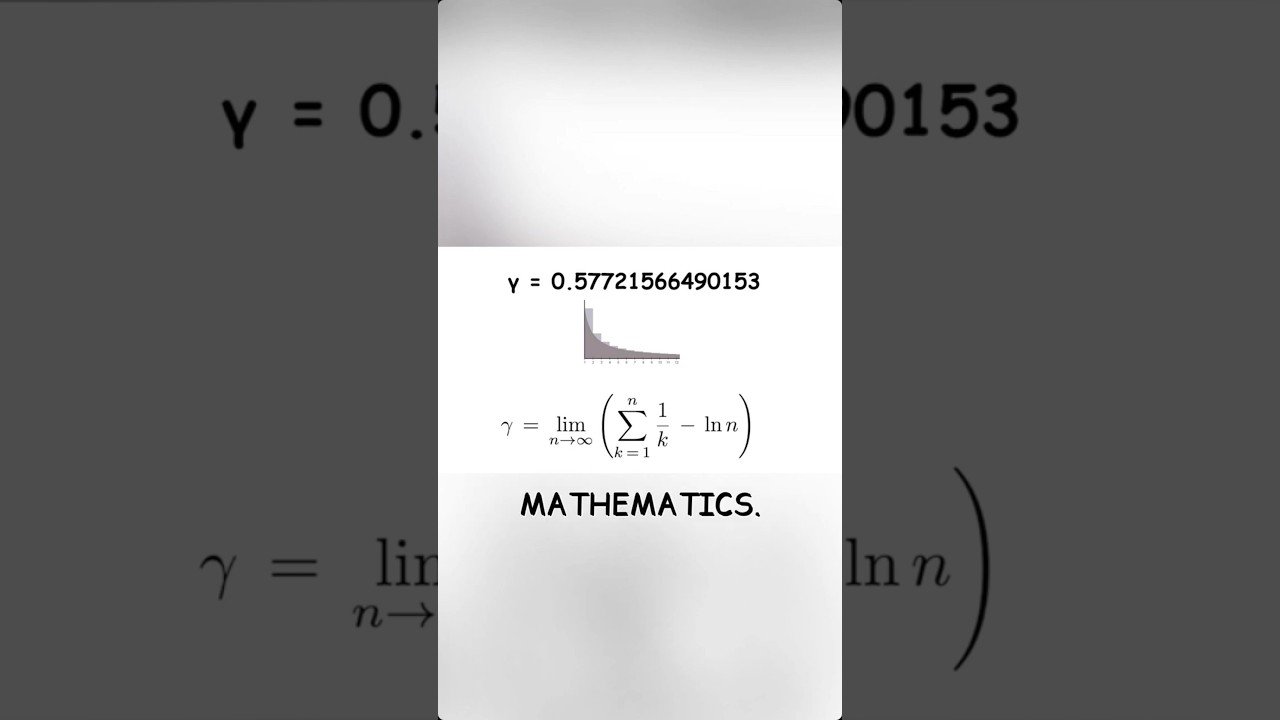
γ, the Euler–Mascheroni Constant Explained
The Euler–Mascheroni constant, denoted by γ (gamma), is approximately equal to: γ ≈ 0.57721… This constant appears in various areas of mathematics, especially in number theory and analysis. It is defined as the limiting difference between the harmonic series and the natural logarithm: γ = lim(n→∞) (1 + 1/2 + 1/3 + … + 1/n… read more
Written by
-
Why √3 Is One of Math’s Most Useful Numbers
Theodorus’s constant refers to √3, which was studied by the ancient Greek mathematician Theodorus of Cyrene. Theodorus proved that the square roots of numbers that are not perfect squares, such as √3, are irrational numbers. √3 ≈ 1.73205… Its decimal representation extends infinitely without repeating. read more
Written by
-
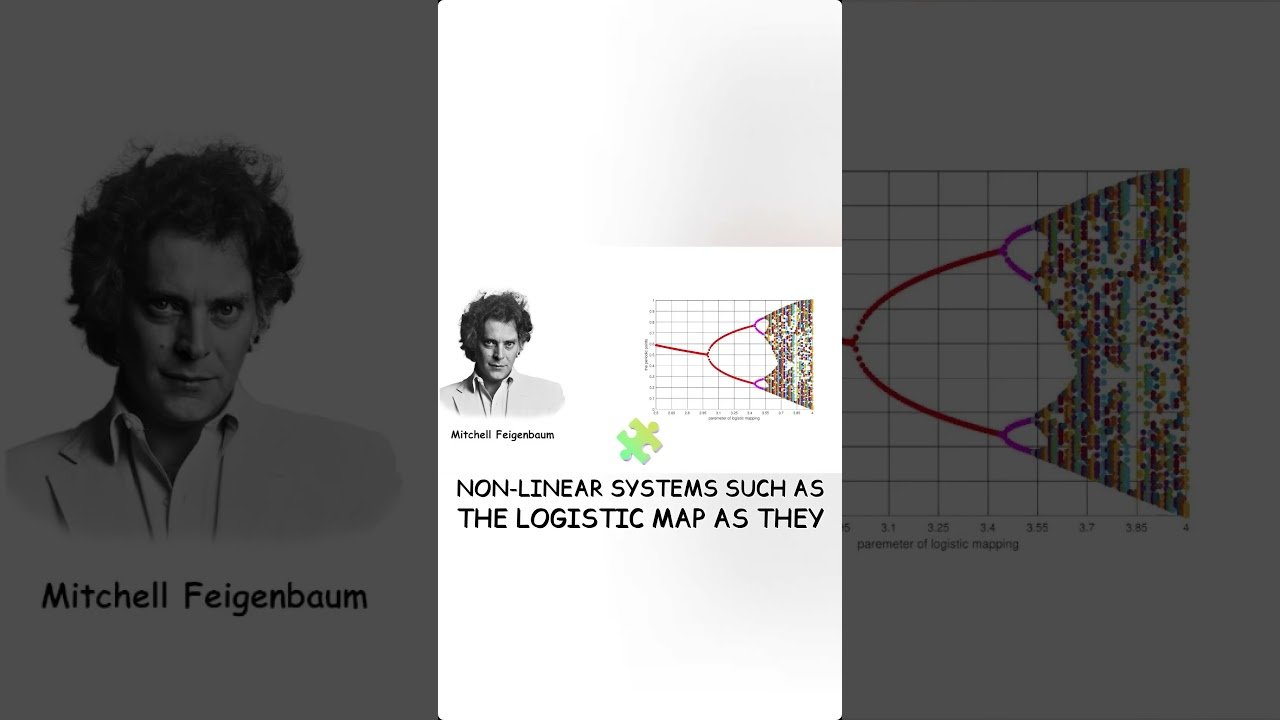
This Number Predicts Chaos: Feigenbaum's First Constant Explained
The first Feigenbaum constant, denoted by the Greek letter δ, has an approximate value of: δ ≈ 4.66920… This constant was discovered by mathematician Mitchell Feigenbaum in the late 1970s. What Does It Describe? Connection to Chaos Theory What Does It Describe? The first Feigenbaum constant is a fundamental quantity that describes the universal behavior… read more
Written by
-
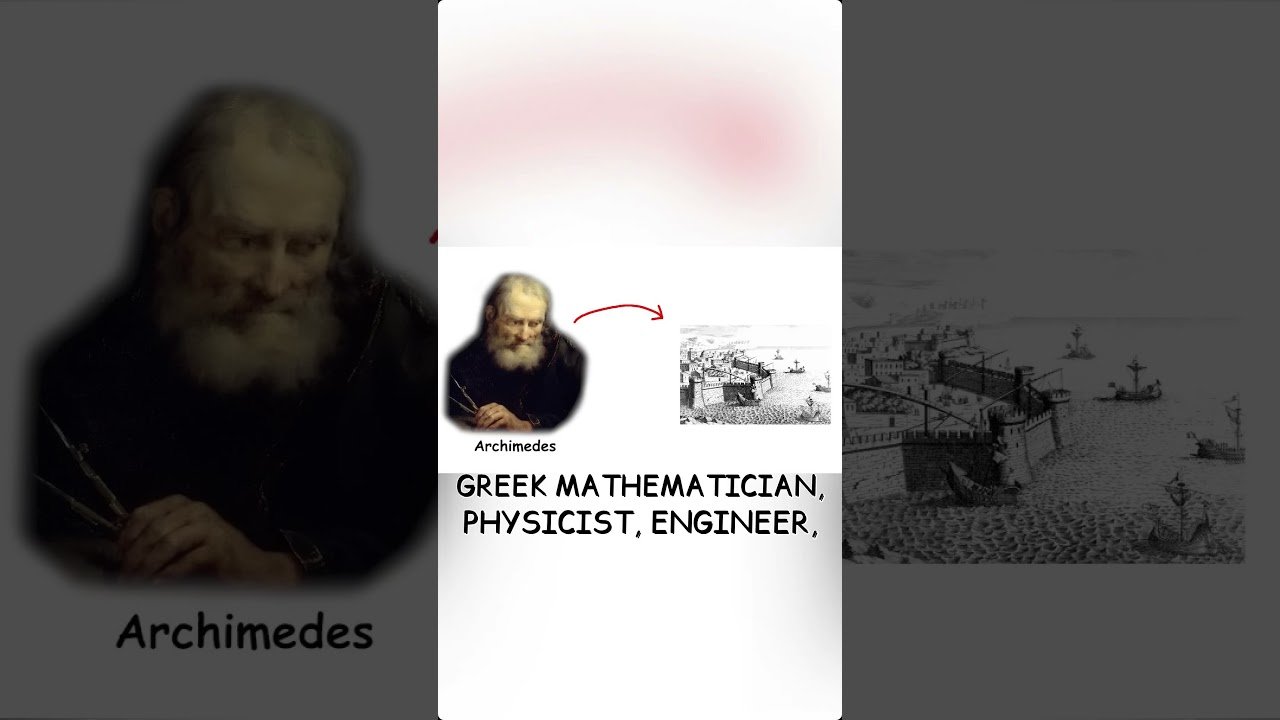
What Is Pi? Explained in 37 Seconds
Pi (π) is a fundamental mathematical constant that represents the ratio of a circle’s circumference to its diameter: π = C / d ≈ 3.14159265… The Greek letter π is the first letter of the Greek word perimetros, meaning circumference. It was first calculated by the ancient Greek mathematician Archimedes of Syracuse, who was also… read more
Written by
-
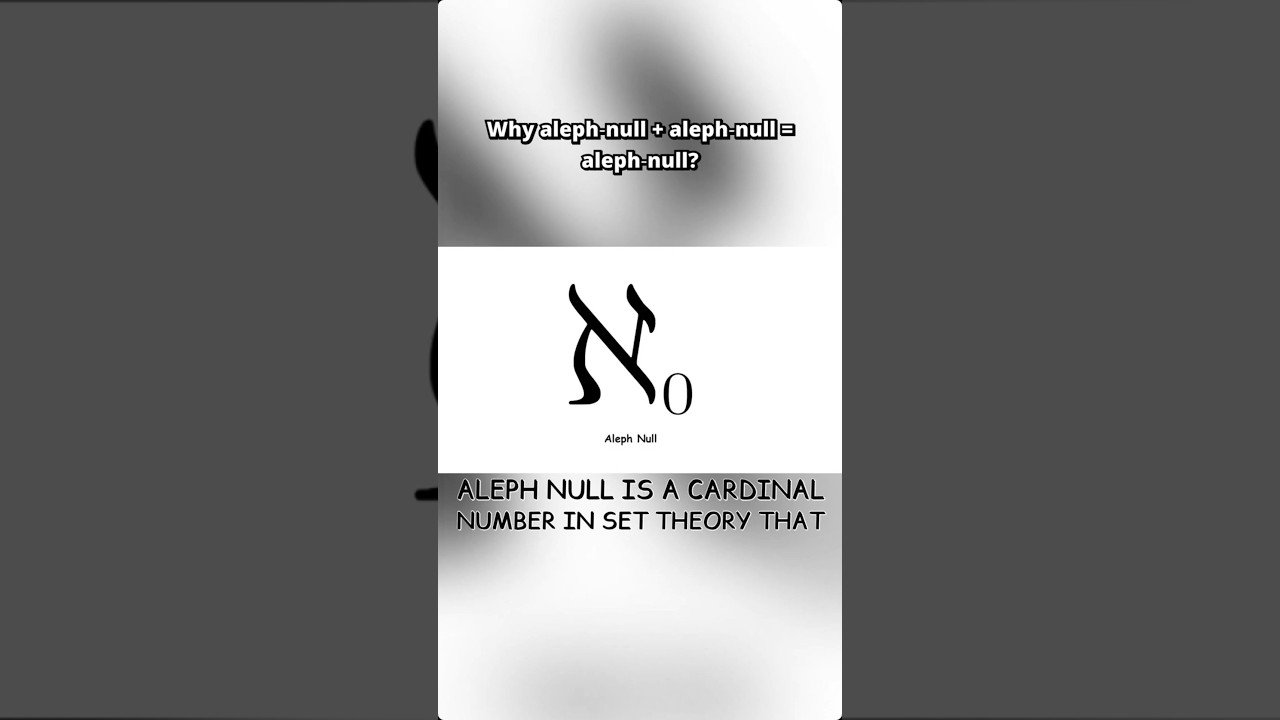
Why aleph‑null + aleph‑null = aleph‑null (The Math of Infinity)
Aleph-Null: The Smallest Infinity Aleph-null (ℵ₀) is a cardinal number in set theory that represents the cardinality, or size, of the set of natural numbers {1, 2, 3, …}. It is the first transfinite cardinal number and is used to describe the size of infinite sets. Arithmetic with Aleph-Null Comparing Infinite Sets Cantor’s Diagonal Argument… read more
Written by
-
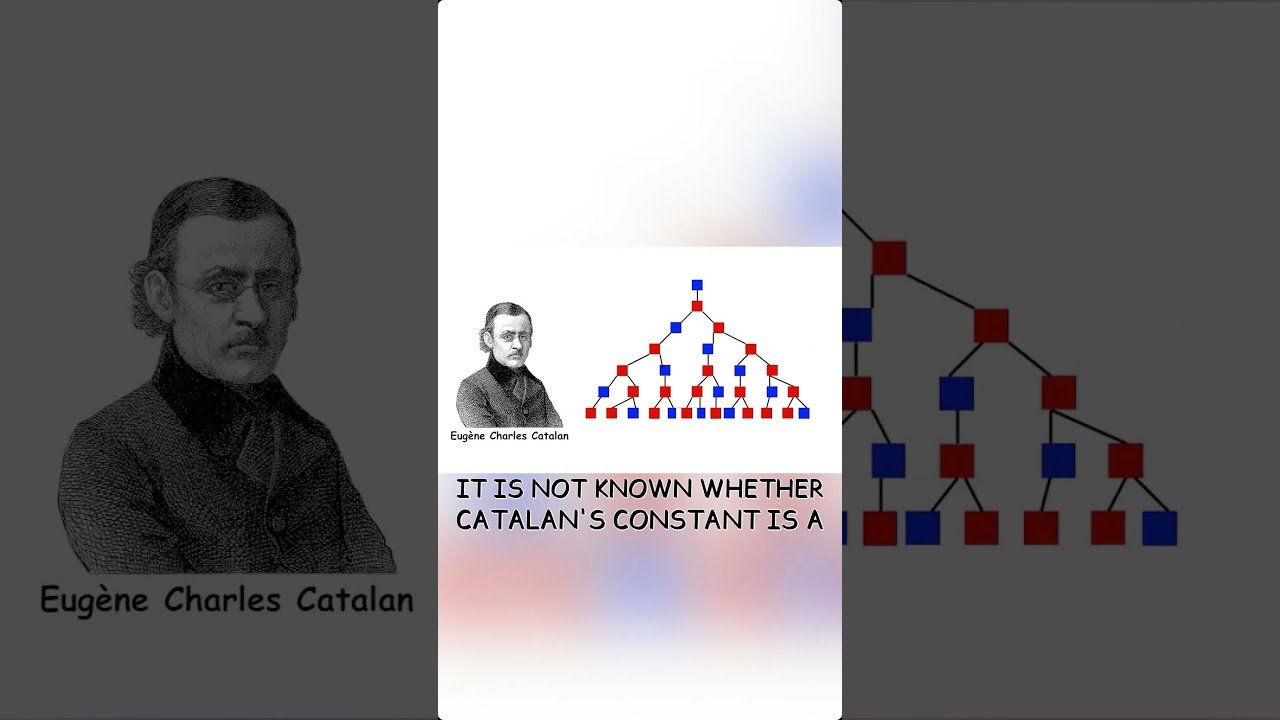
Why Catalan’s Constant Still Puzzles Mathematicians
Catalan’s constant is a well-known mathematical constant defined by the infinite series: It is named after the Belgian mathematician Eugène Charles Catalan, who first gave an equivalent series and expressions in terms of integrals for this constant. Where Does Catalan’s Constant Appear? Is Catalan’s Constant Rational or Irrational? Computing Catalan’s Constant Where Does Catalan’s Constant… read more
Written by
-
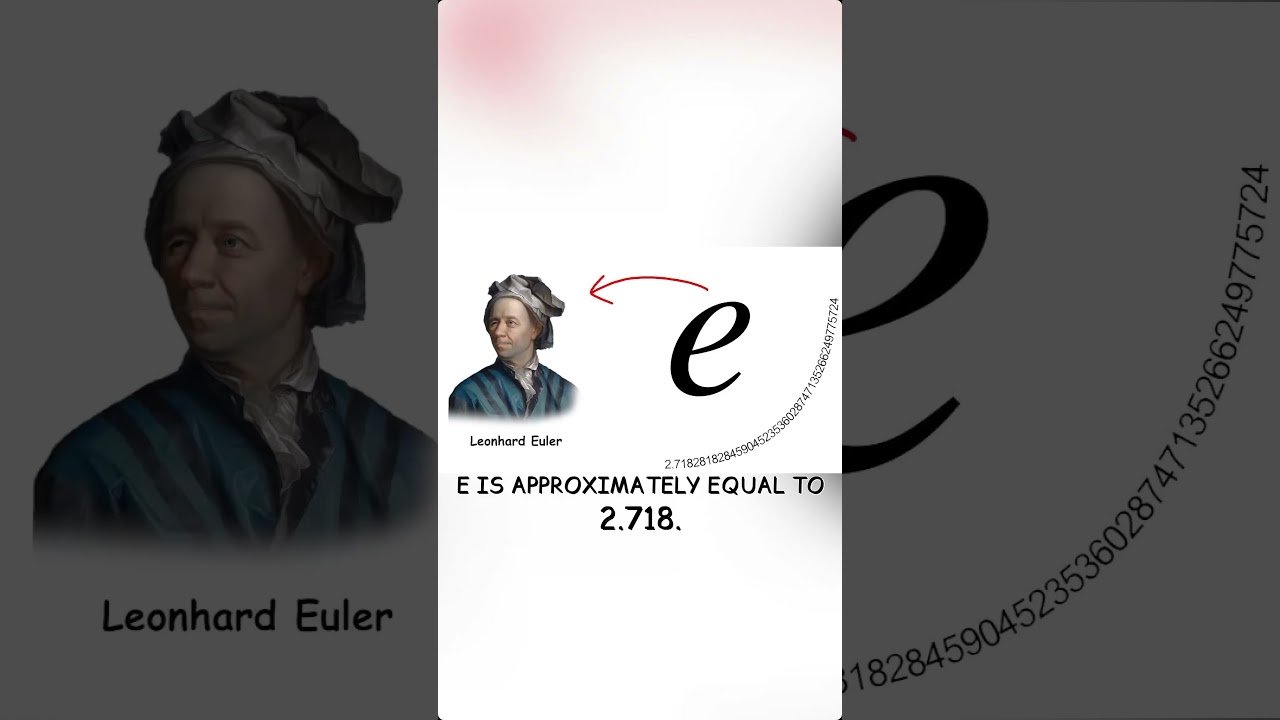
Euler's Number Explained in 30 seconds
Euler’s Number e Overview Applications Properties Overview The mathematical constant e is the base of the natural logarithm, a fundamental logarithmic function. It is also known as Euler’s number, named after the mathematician Leonhard Euler, who extensively studied this constant. e ≈ 2.71828 Applications The constant e is used in many areas of mathematics and… read more
Written by
-
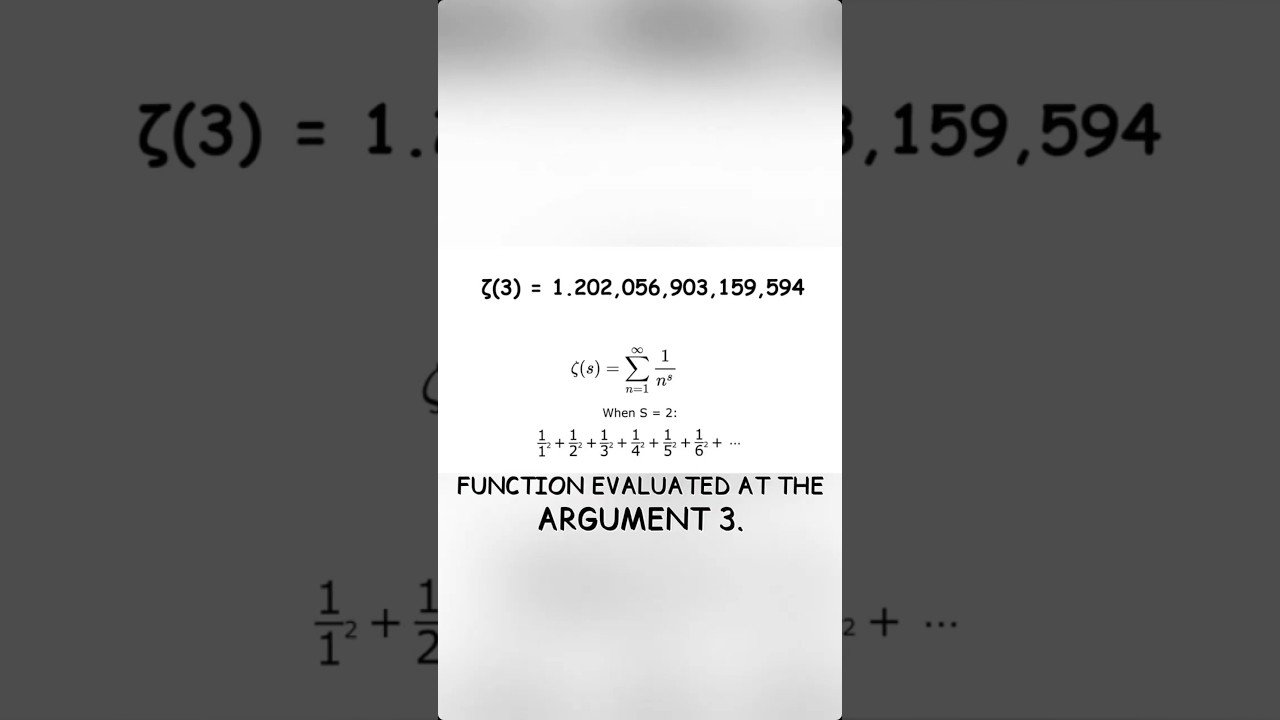
the Irrational Apéry’s Constant Explained
Apéry’s Constant Overview The Riemann Zeta Function Significance Irrationality Apéry’s Constant Overview Apéry’s constant is the value of the Riemann zeta function evaluated at the argument 3. It has an approximate value of 1.202. The Riemann Zeta Function The Riemann zeta function, denoted by ζ(s), is a function of a complex variable s that generalizes… read more
Written by
-
Pi Explained in 30 seconds π
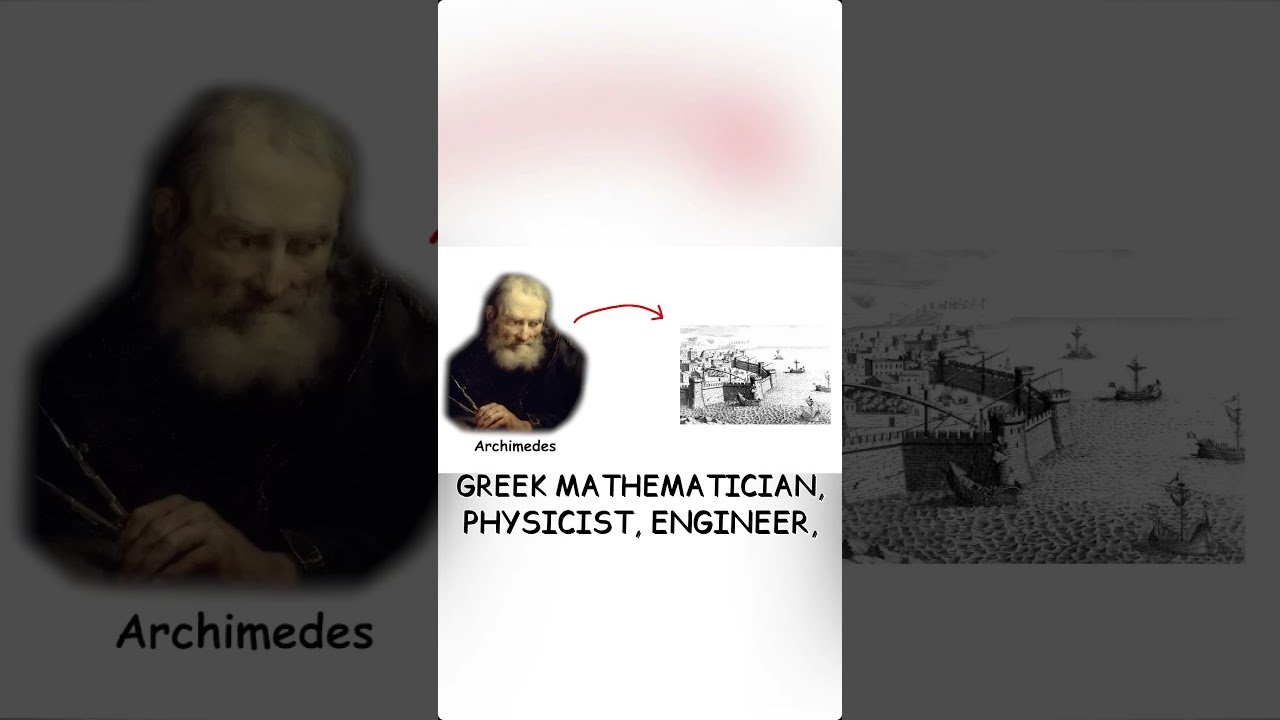
Pi (π) is a fundamental mathematical constant that represents the ratio of a circle’s circumference to its diameter. It was first calculated by the ancient Greek mathematician Archimedes. Origin of the Symbol Discovery Applications Properties Origin of the Symbol The Greek letter π (pi) is the first letter of the Greek word perimetros, meaning “circumference.”… read more
Written by
-
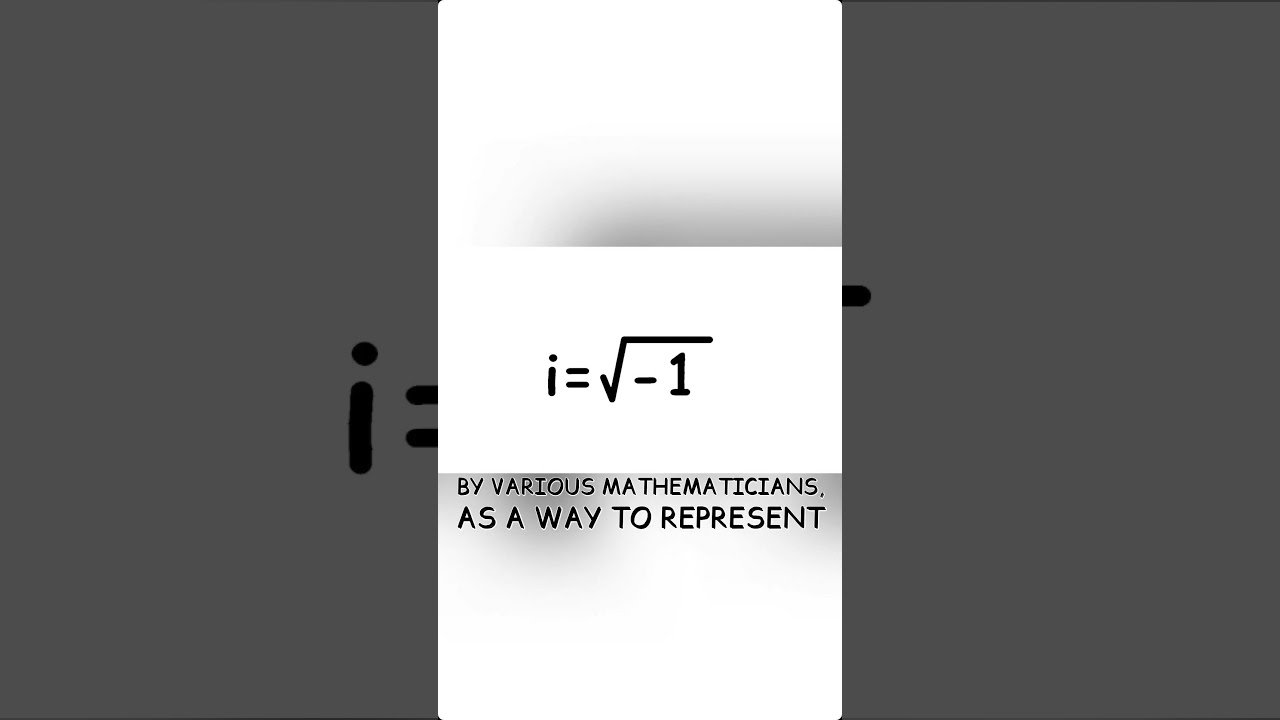
The Imaginary Unit i Explained in 30 Seconds
The imaginary unit i is defined by the rule i² = −1. It was introduced to solve equations that have no real number solutions. Definition and History Significance Definition and History The imaginary unit, denoted by the symbol i, is a mathematical constant representing √(−1). The concept of the imaginary unit was developed over time… read more
Written by