Category: YouTube Shorts
-
Escaping a Forest with Math – Bellman's Lost in a Forest Problem
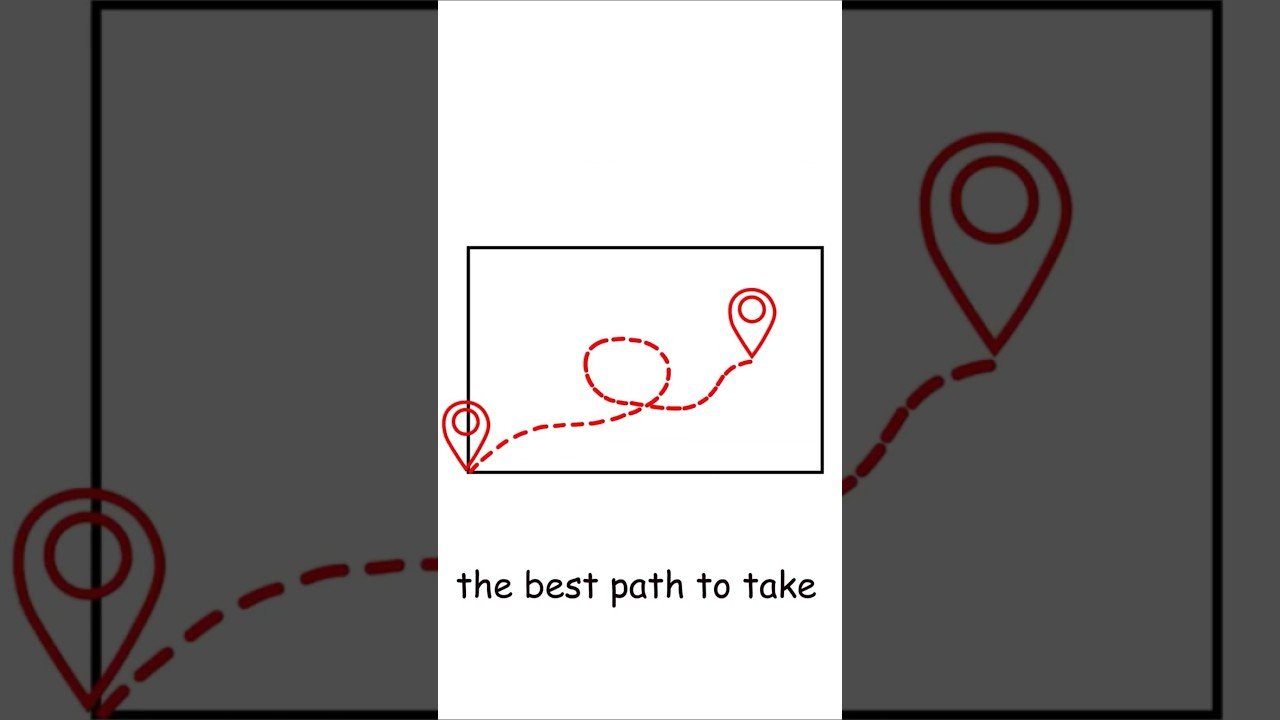
Imagine being lost in a forest. You do not know where you are or what direction you are facing, but you do know the exact shape and size of the forest. What is the best path to take to ensure the lowest escape time in the worst case scenario? An Unsolved Problem Fat Forests Why… read more
Written by
-
The Most Jagged Function in Math – The Weierstrass Function
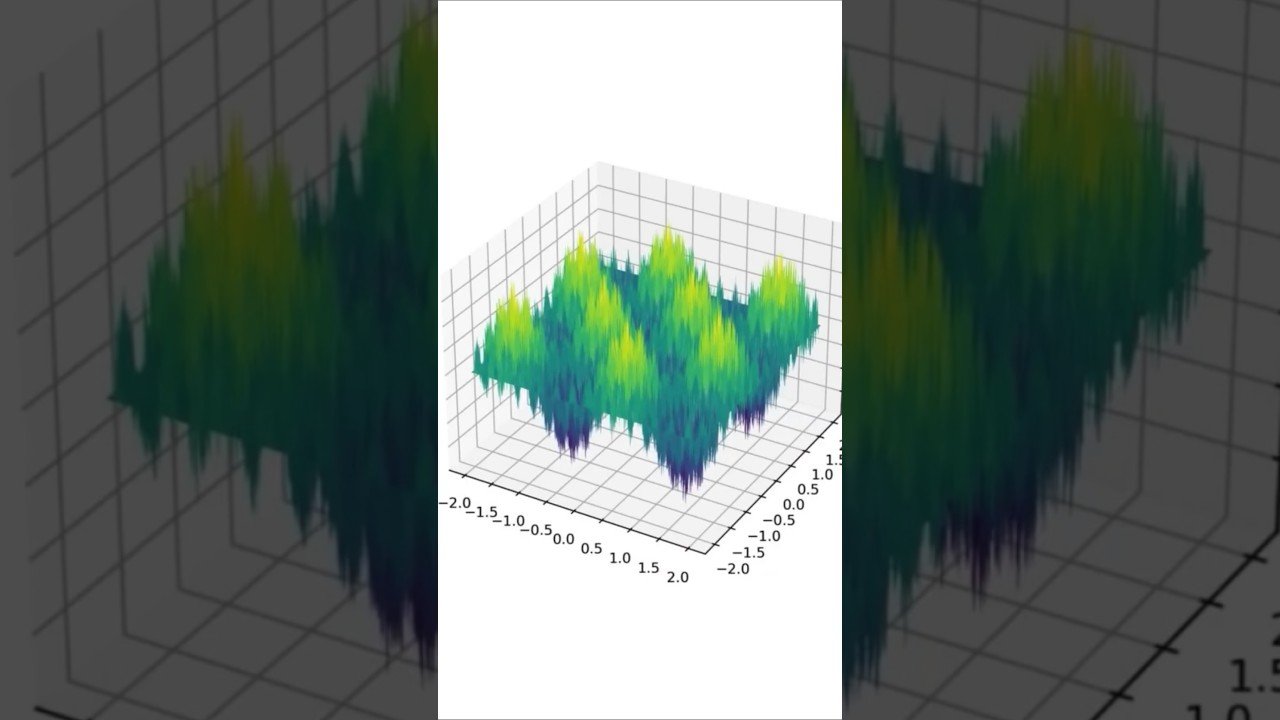
For a long time, mathematicians assumed that no function could be continuous everywhere and differentiable nowhere. The Weierstrass function proved them wrong. Discovery A Fractal Before Fractals Why Did This Matter? Discovery The Weierstrass function was discovered by German mathematician Karl Weierstrass and first published in 1872. Weierstrass defined it using an infinite sum called… read more
Written by
-
The Conjecture Unsolved Since 1742
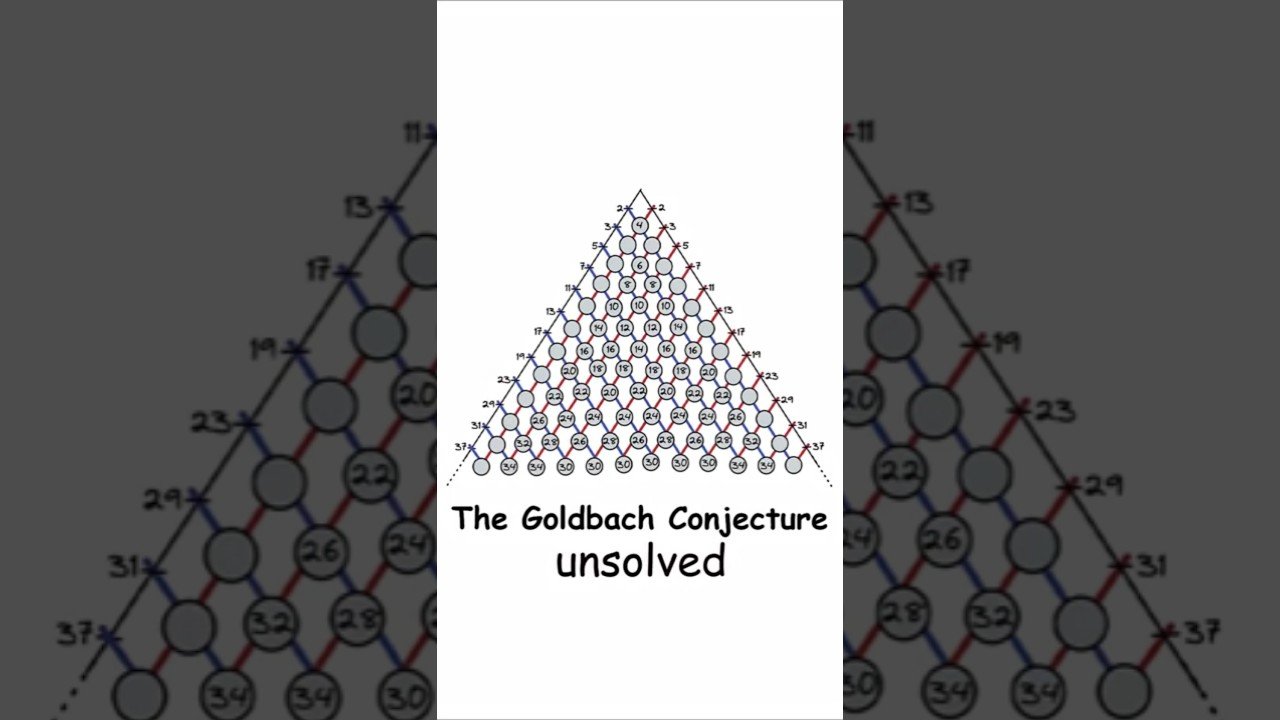
Goldbach’s Conjecture A Problem Born from Letters Why Can’t We Prove It? Goldbach’s Conjecture Goldbach’s conjecture, one of the greatest unsolved mysteries in math, is also very easy to write. Every even number greater than two is the sum of two primes. You can check this in your head for small numbers. 18 = 13… read more
Written by
-
The Basics of Set Theory Explained
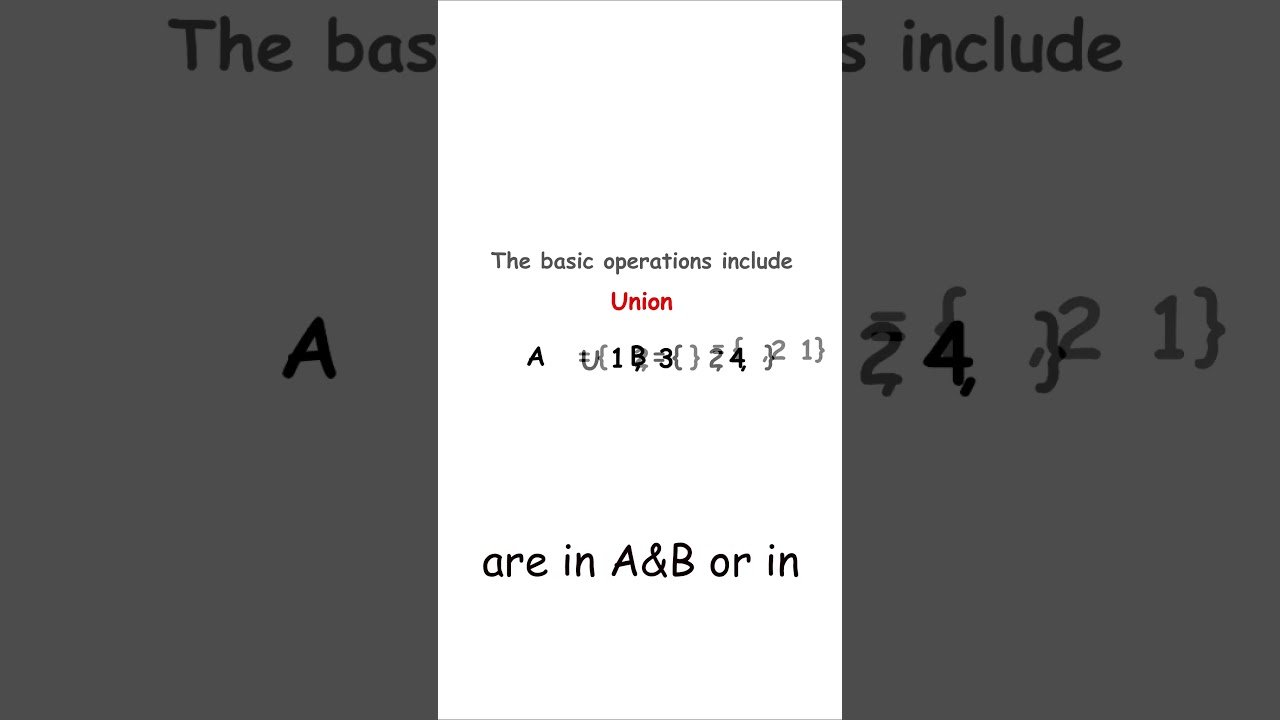
Set theory is the fundamental language of mathematics, describing and organizing collections of objects called sets. A set is usually denoted with braces. For example: A = {1, 2, 3} Its elements can be numbers, points, objects, functions, or even other sets. Basic Operations Why Is Set Theory So Important? Basic Operations The basic operations… read more
Written by
-
Unsolved Geometry – The Lebesgue Universal Covering Problem Explained
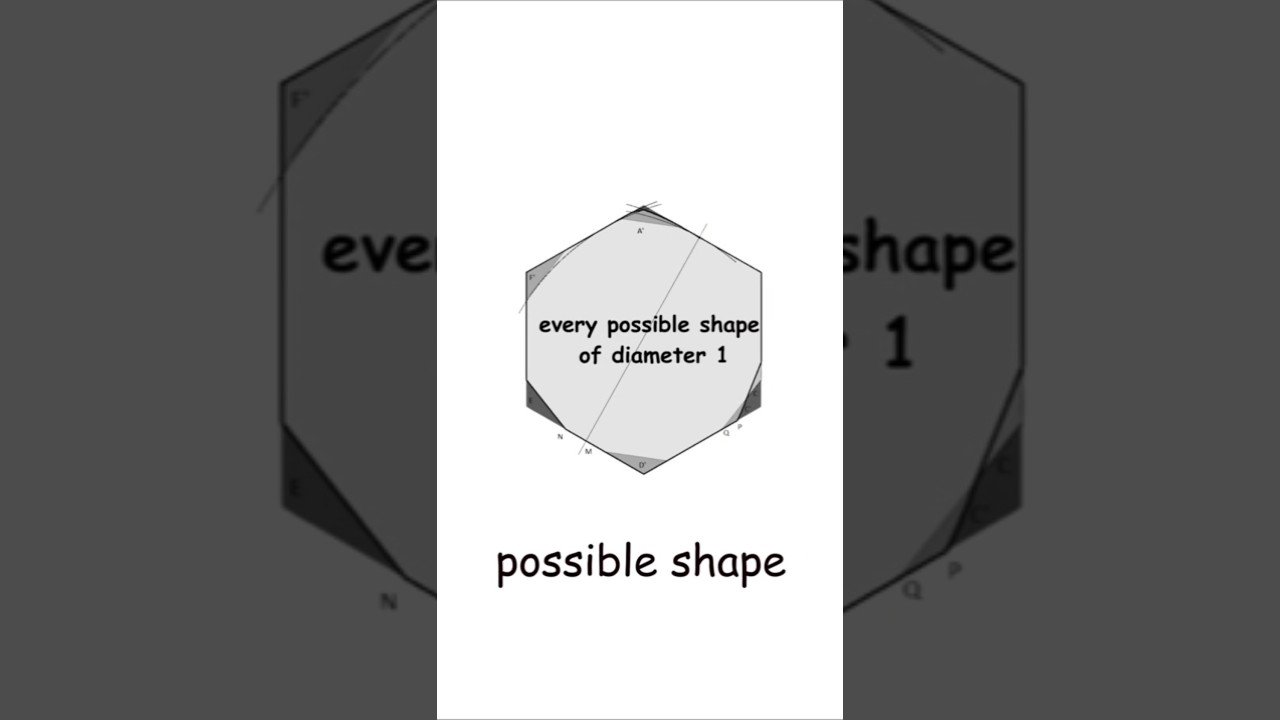
Imagine you are working in 2D and you have some kind of convex shape that can contain any shape with a diameter of one. Let’s call this shape the cover, since it can be used to cover up any of the diameter-1 shapes. The diameter-1 shapes can be translated (slid), rotated (spun around), and reflected… read more
Written by
-
The Surface Hidden Inside Every Knot – Seifert Surfaces Explained
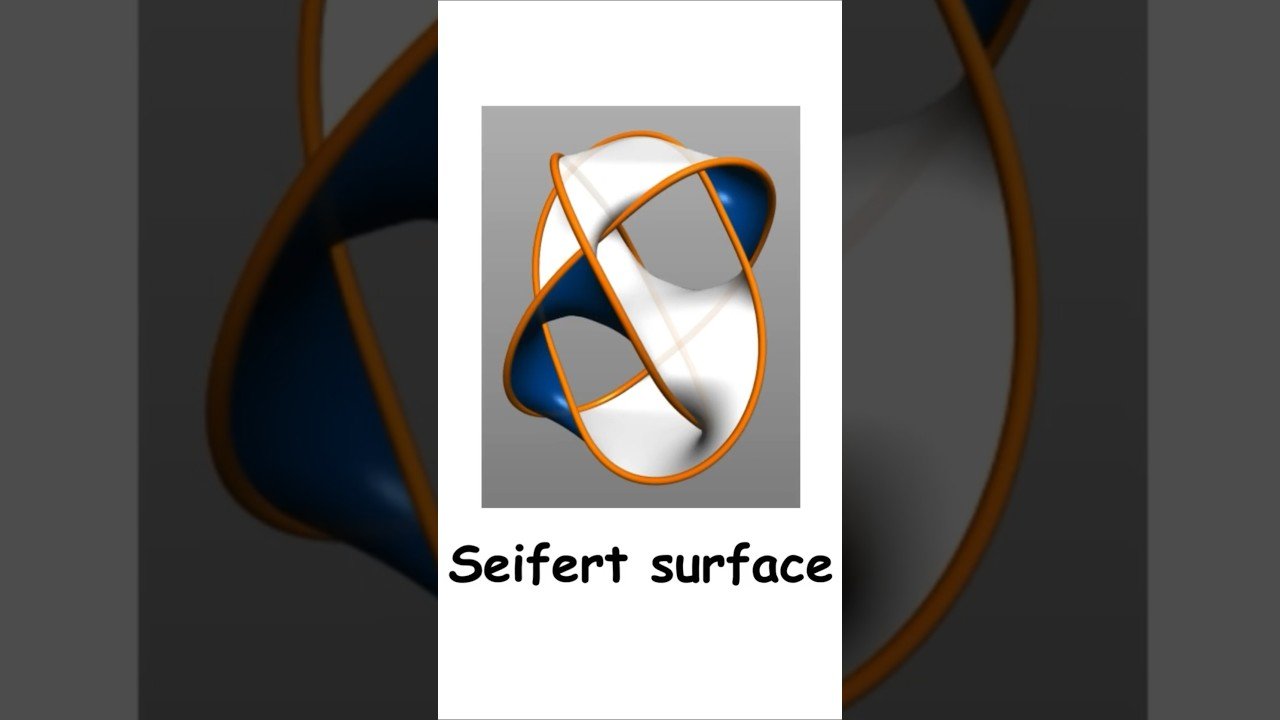
A Seifert surface, named after German mathematician Herbert Seifert, is an orientable surface whose boundary is a knot or link. The Simplest Example Seifert Surfaces of Links Why Are Seifert Surfaces Important? The Simplest Example The simplest example is a disc, which is a surface whose boundary is a circle, and a circle is just… read more
Written by
-
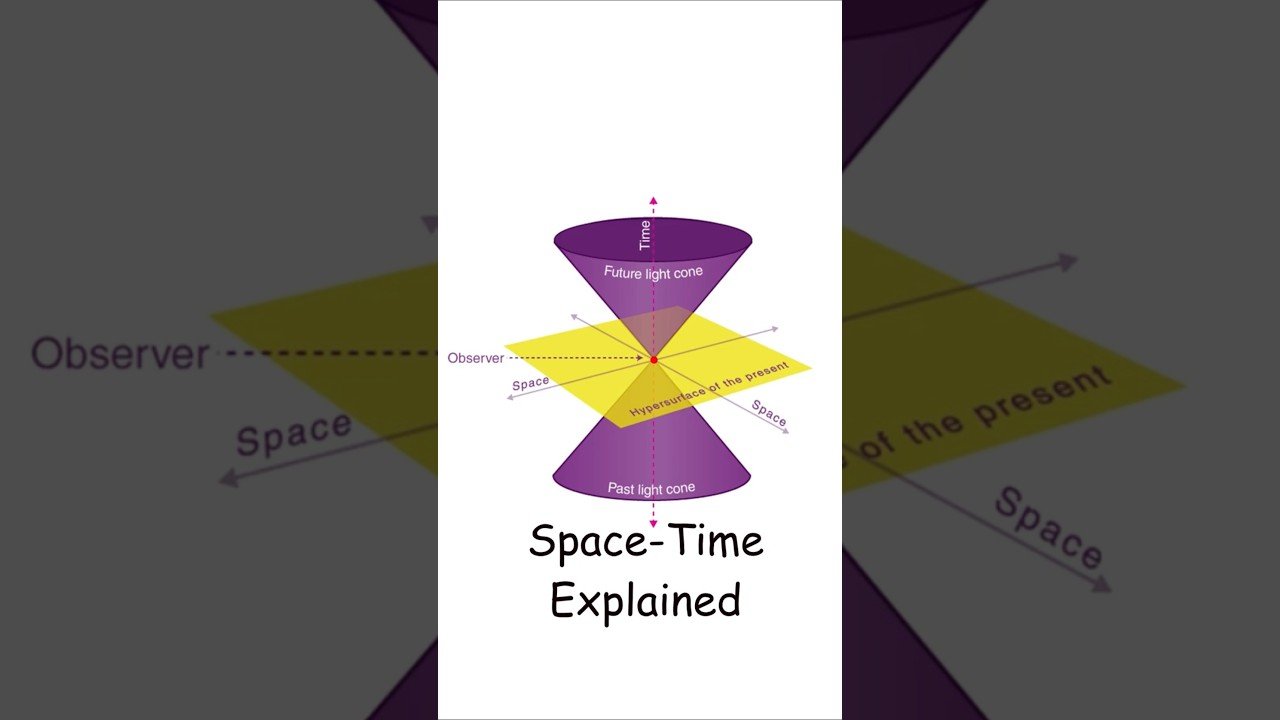
Spacetime – The 4th Dimension
The fourth dimension arises by adding time to the three spatial dimensions. In 1905, Albert Einstein formulated the special theory of relativity and proposed that time should not be treated as an external parameter but as a dimension intertwined with space. Minkowski’s Spacetime The Light Cone A New Kind of Geometry Why Does This Matter?… read more
Written by
-
The Infinity Paradox of Hilbert’s Hotel
Here’s your formatted article: Hilbert’s Hotel: The Hotel That Is Always Full but Never Out of Room One New Guest Infinitely Many New Guests Hilbert’s Paradox What Does This Tell Us About Infinity? Hilbert’s Hotel: The Hotel That Is Always Full but Never Out of Room Hilbert’s Hotel is a thought experiment proposed by German… read more
Written by
-
Unsolved Geometry – Ullmans Packing Problem Explained
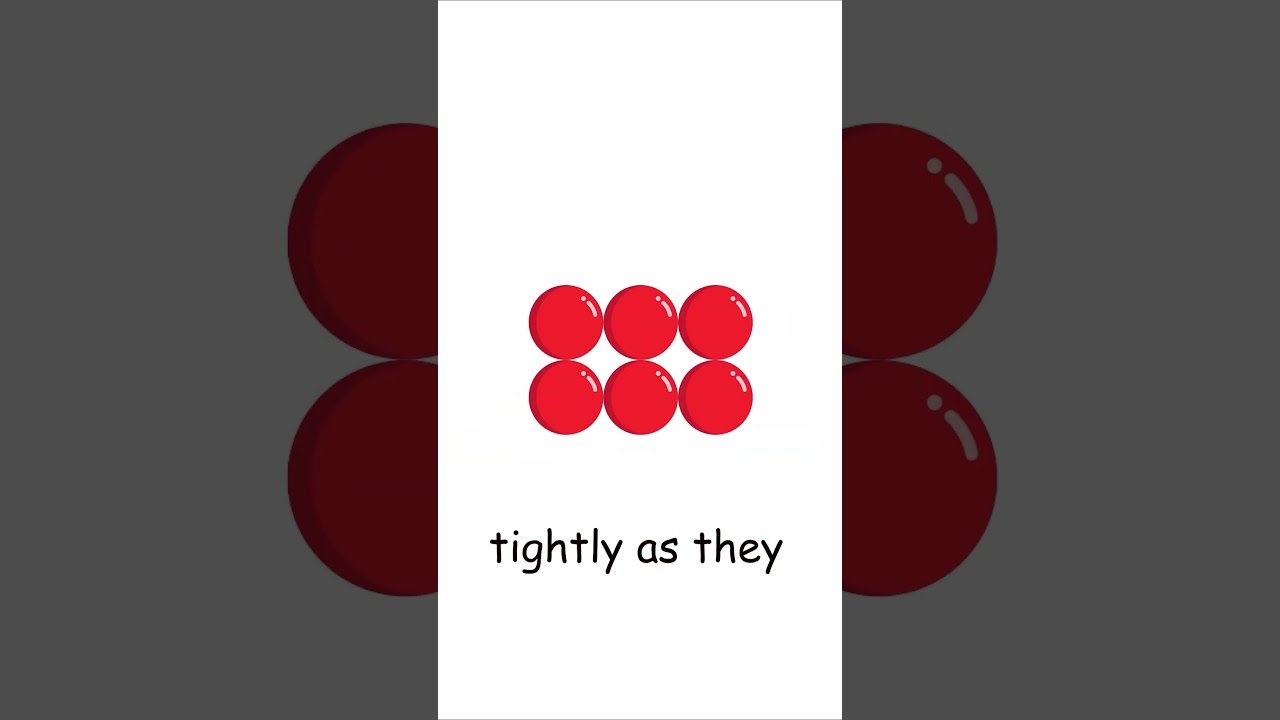
Ulam’s Packing Conjecture: Why Spheres Are the Worst Packers Packing Density The Conjecture Why Is This So Hard to Prove? Ulam’s Packing Conjecture: Why Spheres Are the Worst Packers Ulam’s packing conjecture concerns the packing of identical shapes in three-dimensional space. Imagine taking a bunch of identical convex solids and using them to fill a… read more
Written by
-
Discrete Mathematics Explained in 54 Seconds
Here’s your formatted article: Discrete Mathematics: The Math Behind Computation The Pillars of Discrete Mathematics Why Does Discrete Mathematics Matter? Discrete mathematics studies structures whose values are separate and not continuous. Unlike mathematical analysis, which focuses on smooth variations, it deals with countable elements, whether finite or countably infinite, that can be modeled and manipulated… read more
Written by