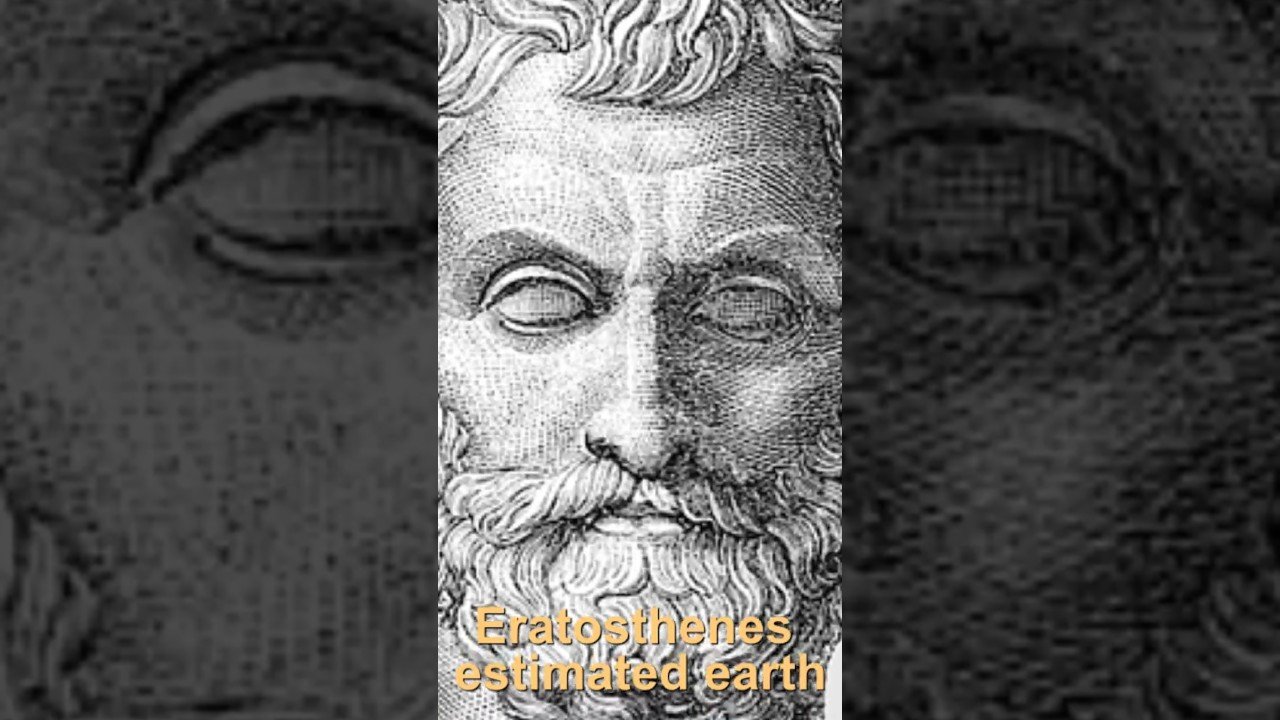
Over 2,200 years ago, a librarian named Eratosthenes performed one of the most extraordinary scientific experiments in history. Using nothing more than a vertical stick, a shadow, and a brilliant idea, he calculated the circumference of the Earth with astonishing accuracy.
The Experiment
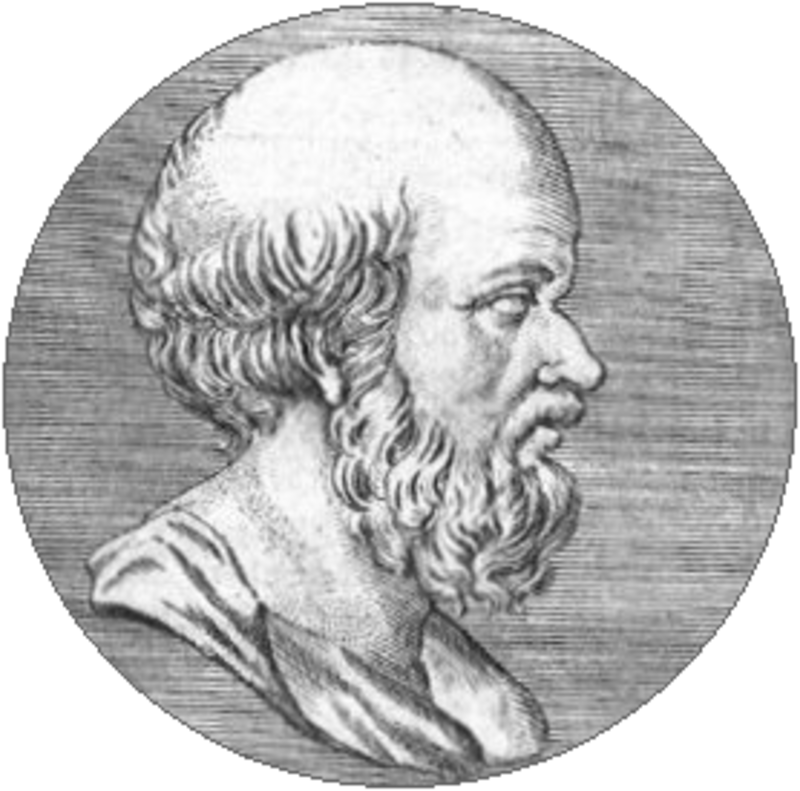
Eratosthenes noticed that at noon on the summer solstice, the sun was directly overhead in Syene (modern-day Aswan), casting no shadow. But in Alexandria, roughly 800 km to the north, vertical sticks still cast shadows at that same moment. By measuring the shadow’s angle in Alexandria, he found it to be 7.2°, which is 1/50th of a full circle. Knowing the distance between the two cities, he multiplied that distance by 50 and calculated the Earth’s circumference to be about 40,000 km.
The actual circumference of the Earth at the equator is approximately 40,075 km. Eratosthenes got it almost exactly right, over two millennia before satellites existed. His method rested on one key assumption: that the sun is far enough away for its rays to arrive essentially parallel at both locations. That assumption was correct, and the geometry followed from there. It remains one of the cleanest examples in the history of science of how a simple observation, combined with careful reasoning, can reveal something about the world that seems impossible to measure directly.
Further reading:
Leave a Reply