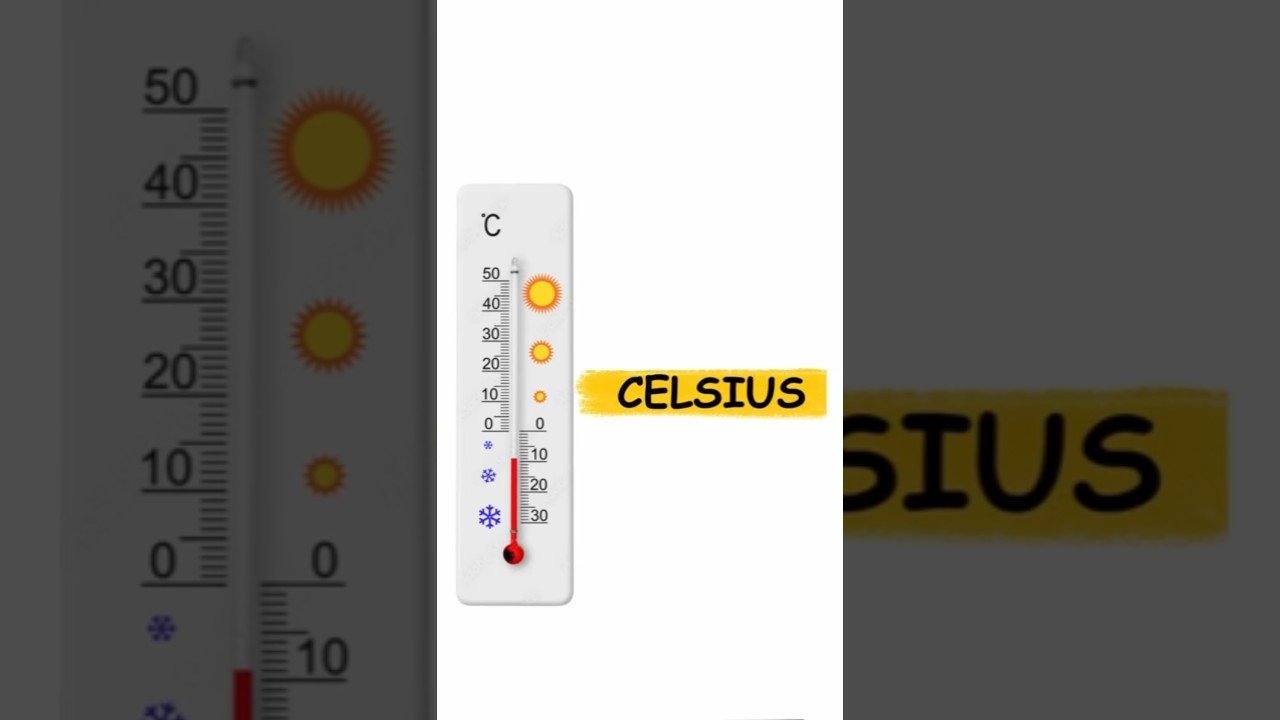
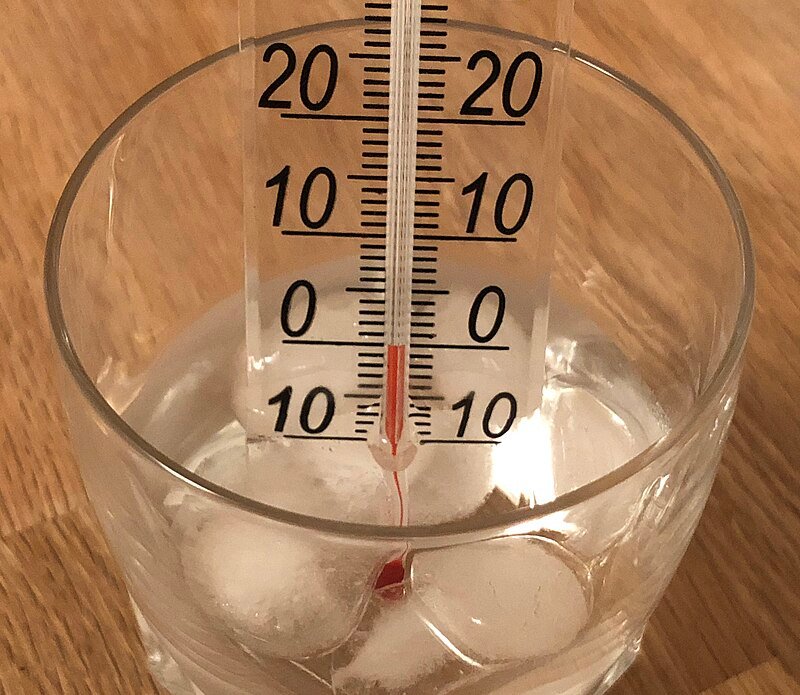
The Celsius scale is the most commonly used temperature scale around the world, with units of degrees Celsius. At one atmosphere of pressure, 0°C is the temperature at which water freezes and 100°C is the temperature where it boils.
The Inverted Origin
The history of the Celsius scale begins all the way back in 1742 with Swedish physicist and astronomer Anders Celsius. Though he invented the scale that would eventually become Celsius as we know it, it involved a choice that would seem bizarre to us today: zero was boiling and 100 was freezing. So higher numbers represented colder temperatures.
Since temperature is a kind of energy measurement, this would mean that higher numbers counterintuitively correspond to lower energy. However, Celsius himself actually knew this. You’ll recall that he lived in Sweden, where it gets exceptionally cold, so he chose this orientation to avoid dealing with negative numbers too much.
Why the Scale Was Flipped
Within a few years of Celsius’s death in 1744, other scientists reversed the scale to its current form. The Swedish botanist Carl Linnaeus is often credited with this flip around 1745, though the exact history is somewhat murky. What matters is that the scientific community quickly recognized that having higher numbers represent higher temperatures made far more intuitive sense, especially when discussing heat as a form of energy.
The reversal also made the scale more compatible with other scientific measurements and calculations. By the early 19th century, the modern version of the Celsius scale had become standard across much of Europe and eventually the world.
Leave a Reply