

The decimal system with the digits we have today is called the Hindu-Arabic numeral system. It originates from Indian mathematicians sometime between the first and fourth centuries, though not including fractions, which were a later extension by 9th century Arabian mathematicians. In modern times, the system is the standard worldwide system of number representation.
Origins and Development
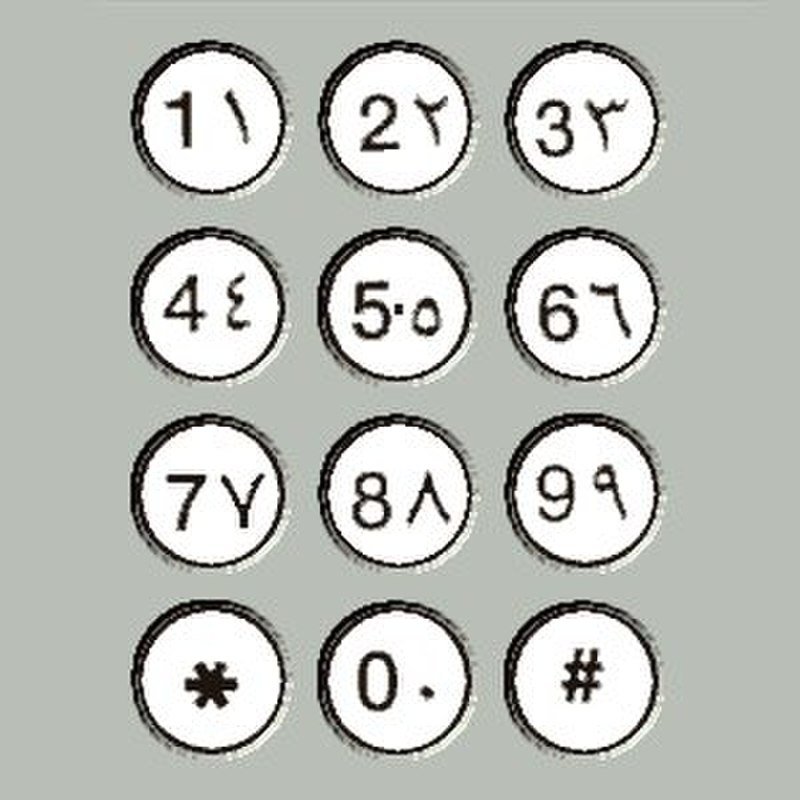
The Hindu-Arabic numeral system represents one of humanity’s most significant mathematical innovations. Developed in India during the early centuries of the Common Era, this positional decimal system introduced concepts that would revolutionize mathematics and commerce worldwide.
The original Indian system included the ten digits 0 through 9 and utilized a place-value system where the position of a digit determined its value. This was a radical departure from earlier numeral systems like Roman numerals, where symbols had fixed values regardless of position. The inclusion of zero as both a placeholder and a number in its own right was particularly groundbreaking, a concept that would prove essential for advanced mathematics.
Arabian mathematicians encountered this system through trade and scholarly exchange with India. They recognized its superiority over existing systems and adopted it, making crucial refinements along the way. By the 9th century, Arabian scholars had extended the system to include fractional notation, allowing for the representation of numbers between integers. This addition completed the system, making it capable of expressing any rational number with precision.
The transmission of the Hindu-Arabic numeral system to Europe occurred primarily through Islamic Spain and the works of scholars like Al-Khwarizmi, whose name gave us the word “algorithm.” European mathematicians initially resisted the new system, clinging to Roman numerals and abacus-based calculation methods. However, the practical advantages of Hindu-Arabic numerals for arithmetic operations eventually led to their widespread adoption.
By the Renaissance, the Hindu-Arabic system had become the dominant form of numerical notation in Europe. Its efficiency in calculation, combined with the recent invention of the printing press, ensured its spread throughout the Western world. Today, it serves as the universal language of mathematics, understood across all cultures and nations.
The elegance of the Hindu-Arabic system lies in its simplicity. With just ten symbols and the principle of positional notation, it can represent any number, no matter how large or small. This versatility has made it indispensable not only for mathematics but for science, engineering, finance, and countless other fields that form the foundation of modern civilization.
Leave a Reply